
















































Kraken Sues PowerTrade Over $7.2M Claim: Regulation Pressure Mounts
Kraken’s parent company, Payward, has sued UAE-based derivatives firm PowerTrade, saying it took $7.2 million in digital assets and unrealized gains. That is the blunt version. My take: the uglier lesson is not legal, it is operational. Offshore crypto derivatives still run on trust, even when the counterparties are large enough, experienced enough, and frankly paid enough to know better.
The lawsuit, filed in U.S. federal court, asks for discovery from U.S.-based financial institutions for proceedings against PowerTrade and its co-founders, Mario Gomez Lozada and Bernd Sischka. Payward says PowerTrade removed more than $6 million from its account through unauthorized transactions. Some of those transactions allegedly canceled profitable trades months after they had already settled. Payward says the changes turned a positive account balance into a negative one, allowing PowerTrade to keep its collateral. That is not clerical cleanup. That is the core dispute.
Kraken’s spokesperson confirmed an interim worldwide freezing order from the DIFC Courts against PowerTrade and its co-founders, plus legal proceedings in other jurisdictions. The exchange said, “The discovery we seek will help Payward identify additional assets to freeze and ensure that bad actors like PowerTrade are not able to harm others in the industry.” I’ll be honest: the quote sounds aggressive because it is. But the move itself is not exotic. When crypto firms cannot rely on a single regulator to resolve a cross-border fight, they go to regular courts. They chase bank records. They seek freeze orders. They use whatever formal process can still reach the money.
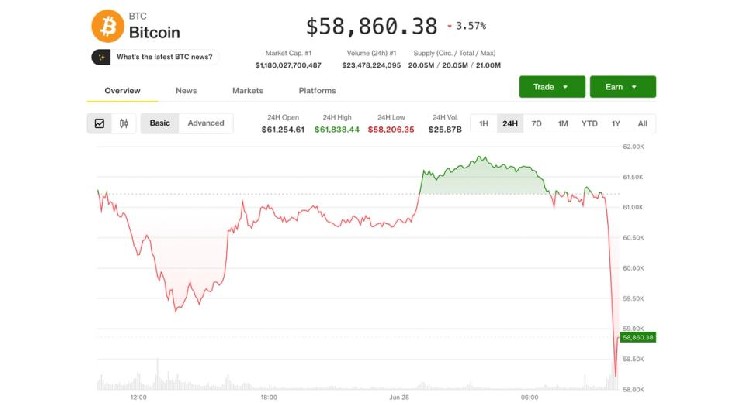
The dispute began in October 2025, after Bitcoin fell and the broader market weakened. Kraken started institutional derivatives trading on PowerTrade in 2022, then grew worried about PowerTrade’s liquidity and creditworthiness. According to Payward’s complaint, Kraken tried to withdraw its funds and could not. Payward says PowerTrade then made about 100 “corrections” tied to trades that had expired or settled months earlier. The account allegedly moved from more than $6 million positive to nearly $2 million negative. Why does this matter? Because if that version holds up, the accounting was not background noise. It was the fight.
The case comes as crypto regulation is already under pressure. The SEC and CFTC have both pushed for tighter oversight of crypto exchanges and derivatives products. Kraken, which operates under regulation in several jurisdictions, is now trying to recover funds from an offshore, high leverage platform through the courts. Most guides talk about counterparty risk as if it is a checklist item. That is only half right. The dry details are the market structure: margin rules, client checks, collateral controls, trade finality, and who gets to change settled trades after the fact.
The dispute also shows how quickly risk tolerance changes after a sharp market move. Bitcoin’s October 2025 drop appears to have exposed doubts about PowerTrade’s ability to meet withdrawals. Institutions can live with volatility. They are much less patient when collateral becomes hard to verify. A $7.2 million claim is not huge by crypto standards, but it is large enough to make a risk team stop treating offshore yield as free money. Is this overkill? For a firm running institutional derivatives exposure, no. Some capital may move toward regulated venues or on-chain derivatives where collateral is easier to inspect. That could affect trading volumes and open interest in major assets like Ethereum (ETH), especially if institutions decide the extra yield on offshore platforms is not worth the trouble.
What this means
This lawsuit puts institutional crypto derivatives, especially offshore platforms, under a harsher light. Payward’s $7.2 million claim makes counterparty risk hard to wave away. Due diligence sounds dull until a withdrawal fails. We have seen this pattern before in crypto disputes: controls that looked boring suddenly become the only thing anyone wants to discuss. If Kraken wins, other large exchanges may be more willing to sue offshore firms. Trading could also move toward platforms with clearer controls and cleaner records. Counter to the usual advice, transparency alone will not solve this. DeFi derivatives protocols may get some mileage from the transparency argument, though many still need to convince traditional institutions that smart contracts are not simply another kind of risk.
Investors should watch the court filings and any regulator response. The useful signals are practical, not dramatic: whether other exchanges tighten rules for outside derivatives providers, whether the CFTC comments on offshore platforms, whether trading volumes shift, and whether open interest moves toward regulated venues or on-chain alternatives. One note: the original timeline points to October 2025, so the market response should be judged from late 2025 into 2026, not 2024. Yes, this slightly undercuts the instinct to look for an instant market shock. Bear with me. If the case drags on, confidence may not collapse all at once. It may just drain away, desk by desk, policy by policy.