
















































SpaceX-Nvidia partnership and short interest: What it could mean for crypto
SpaceX is nearing its first financial report as a public company. At the same time, it has announced a partnership with Nvidia, and short sellers have bet against 95% of the shares available to borrow. That mix is hard to ignore. My take: crypto investors should watch the reaction, because demand shocks in costly tech stocks have a habit of spilling into speculative digital assets.
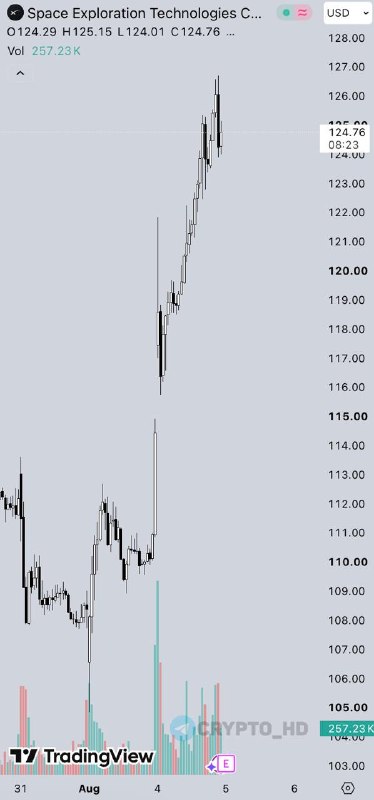
Attention is not the issue. SpaceX’s first financial report since the IPO will expose its finances to public scrutiny, and traders will dissect every number. Meanwhile, SpaceX and Nvidia plan to work together on StarMind. Its satellites will carry computing modules powered by Nvidia’s new Rubin GPUs, while Nvidia leads development of the computing platform. Serious processing power, sent into orbit. Most commentary will frame that as a broad tech breakthrough. That’s only half right: the project may influence other parts of the technology market, but its connection to crypto remains indirect.
The short-interest figure is much darker: investors have reportedly shorted 95% of the SpaceX shares available to borrow. That’s an enormous bet. They may believe the valuation has run too far. They may expect a disappointing report—or both. Why does this matter? Because aggressive shorting of a famous technology company can alter how investors price risk elsewhere, and crypto tends to register that change quickly.
The macro flow is the part I’d watch most closely. SpaceX occupies the speculative edge of the technology market, making its share price a useful gauge of investors’ willingness to finance ambitious, costly projects. If large funds retreat from richly valued tech stocks, crypto positions may be next. We already have a blunt reference point: in 2022, as the Federal Reserve raised interest rates, Bitcoin (BTC) dropped from above $68,000 in November 2021 to less than $16,000 by the end of 2022. Money tightened. Risk appetite vanished. A weak SpaceX report followed by a stock plunge could produce a smaller version of that retreat. Altcoins would probably take the harder hit because they usually swing more sharply than Bitcoin.
The Nvidia deal sends a different adoption signal. I’ll be honest: calling it crypto adoption is a stretch. Nvidia is deeply involved in AI and high performance computing; its GPUs have powered much of the crypto mining industry and now handle some computation-heavy blockchain applications. Installing Rubin GPUs in StarMind satellites shows something narrower but still notable—demand for processing power has extended into orbit.
That may reinforce the case for decentralized computing projects such as Render (RNDR) and Akash Network (AKT), both of which provide access to distributed GPU capacity. But SpaceX buying Nvidia hardware will not automatically deliver customers to either network. Counter to the usual hype, a rising market for scarce computing resources does not guarantee that decentralized providers win. It does, however, make their purpose easier to explain. Better hardware may reduce some operating costs and allow blockchain networks to process more work.
Then comes the genuinely speculative part: decentralized applications in space. Satellites equipped with powerful processors might eventually host or support crypto protocols. Is that investable today? No. For now, it is an idea rather than a functioning market, and I wouldn’t bet on it yet.
What this means
SpaceX’s report and the Nvidia agreement arrive with 95% of available-to-borrow shares reportedly shorted. That could make the next stretch rough for growth stocks. Crypto investors can treat the market’s response as a loose reading of risk appetite. Strong results that justify SpaceX’s valuation may restore confidence in expensive technology companies and give growth-oriented crypto assets some support. Weak figures could accelerate selling across speculative investments.
Most guides say to focus on the headline report. I think the first major move in SpaceX shares matters just as much. A steep fall could push investors toward safer assets and pressure Bitcoin’s current support, putting $60,000 in play as a possible test. If the report beats expectations, both tech stocks and crypto may get a lift. Simple enough.
Nvidia is also worth following, although StarMind appears to be a long range project rather than something likely to change earnings soon. I’d watch withdrawals from tech-heavy ETFs as well. Large institutions sometimes exit those funds before making similar reductions in crypto exposure. The next few weeks should show whether this remains a SpaceX-specific problem or turns into a broader retreat from risk.
FAQ: SpaceX, Nvidia, and the crypto market
- Q: Why does SpaceX’s upcoming financial report matter?
- A: It will be SpaceX’s first public financial disclosure since the IPO. Investors will finally get a close look at the company’s finances and operating performance.
- Q: What does the SpaceX-Nvidia partnership involve?
- A: SpaceX plans to place modules powered by Nvidia’s Rubin GPUs in its StarMind satellites. Nvidia will lead development of the satellite computing platform.
- Q: How much of SpaceX’s available stock is shorted?
- A: Market data reportedly shows that investors have shorted 95% of the shares available to borrow. Few figures communicate bearish positioning more clearly.
- Q: Could SpaceX’s short interest affect crypto?
- A: Yes, but indirectly. Heavy shorting may indicate weakening confidence in expensive, speculative tech assets. If that view spreads, some funds could reduce their crypto holdings too.
- Q: What does “macro flow” mean here?
- A: It means large amounts of money moving between asset classes as economic conditions shift. The key variable is investors’ comfort with risk.
- Q: Does the Nvidia partnership count as crypto adoption?
- A: No. The deal signals continued demand for powerful computing hardware, which also matters to blockchain applications and decentralized GPU networks. It supports the computing argument behind those projects. It is not crypto adoption.
- Q: Which crypto projects could benefit from growing GPU demand?
- A: Render (RNDR) and Akash Network (AKT) could benefit indirectly because both provide decentralized GPU computing. Still, they must persuade customers to choose their networks over traditional cloud providers. Hardware demand alone won’t do it.
- Q: What are Rubin GPUs?
- A: Rubin GPUs are Nvidia’s latest generation of graphics processors built for AI and high performance computing.
- Q: What could a weak SpaceX report do to Bitcoin (BTC)?
- A: A poor report could prompt investors to cut exposure to risky assets. If the reaction spreads beyond SpaceX, Bitcoin could break its current support and test the area around $60,000.
- Q: Why monitor Nvidia’s share price?
- A: Its reaction may reveal whether investors consider StarMind financially important or merely an interesting future project. Nvidia’s wider price movement can also indicate sentiment toward AI and growth stocks.
- Q: What are “high beta tech plays” in crypto?
- A: These cryptocurrencies respond more sharply when technology stocks or broader market sentiment changes. They can climb quickly when investors embrace risk. When investors retreat, they can fall just as fast.
- Q: How can institutional money flows signal a market change?
- A: Large deposits into or withdrawals from tech-heavy ETFs show where professional investors are moving capital. Persistent withdrawals may come before a broader retreat from crypto and other speculative assets.