















































Iran-US conflict crypto impact tests Bitcoin safe haven trade
The Iran-US conflict has crypto markets trading off headlines again. The first reaction is geopolitical risk. The harder question comes right after it: is Bitcoin actually protection here, or just another risk asset with a louder fan base? Iran’s foreign ministry said the United States violated a ceasefire regime in the Hormozgan area, and Tehran said it would respond without hesitation in its defense. That is enough to jolt screens. The immediate iran us conflict crypto impact is not subtle: traders price the shock first, then interrogate BTC later. My take: the safe-haven label gets handed out too quickly in crypto. When the headlines involve Iran, the United States, and Hormozgan, Bitcoin has to prove it is cover, not just high beta tech with better branding.
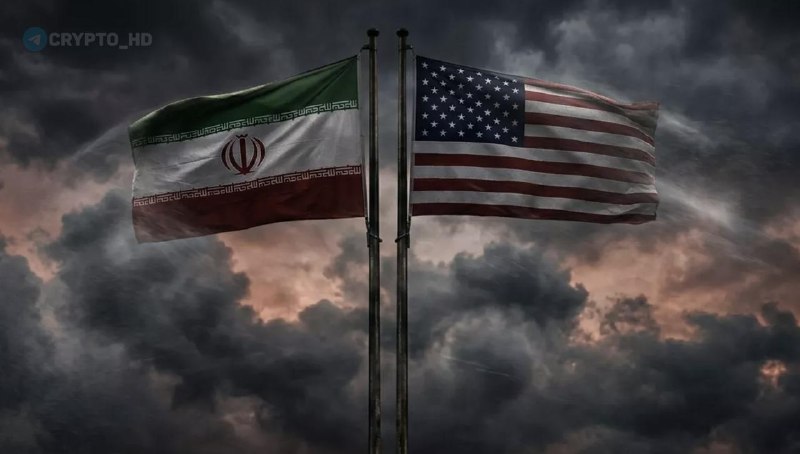
Iran’s foreign ministry said the United States violated a ceasefire regime in Hormozgan. Tehran said it would respond and “not hesitate” in its defense. The claim is narrow. Markets are not. Iran accused the U.S. of violating a ceasefire regime in Hormozgan, and Tehran also said it would answer U.S. actions and “will not hesitate” on defense. The earlier language about “defensive strikes” matters because markets usually treat defensive wording differently from open escalation. Most guides would tell you to trade the first confirmed headline. That’s only half right. I would not build a full trade around one short post, because the source gives no casualty count, oil price move, military target, timestamp, or U.S. response.
Bitcoin’s safe haven case gets tested early in geopolitical stress. Past episodes show BTC can catch a brief bid, but the label never holds for long without argument. This is the BTC test. Context, not from the source: after the January 2020 Soleimani strike, BTC rose about 8% as traders briefly treated it as a hedge against geopolitical stress. Does that mean 2026 follows the same script? No. It gives investors one historical pattern to keep nearby, not a forecast to marry. If Hormozgan headlines drift toward the Strait of Hormuz story, the hormozgan strait crypto trade will probably surface first in BTC liquidity, gold comparisons, and stablecoin demand. I’ll be honest: Bitcoin can look like a haven for one session and trade like Nasdaq beta the next morning.
Middle East escalation can move crypto through oil, inflation expectations, and rate pricing. The macro channel is duller than the headline. It may also be the part that lasts. Context/analysis: Middle East escalation can make traders worry about oil prices, and oil prices crypto correlation usually runs through inflation expectations, bond yields, dollar liquidity, and risk appetite. Not a clean chain. If markets start pricing higher energy costs, the Fed rate path walks straight back into the crypto trade. BTC and ETH do not need direct Iran exposure to move; they need ETF flows and leverage conditions to shift. Counter to the usual advice, the “geopolitical risk cryptocurrency” story often stops being about geopolitics pretty fast. It starts with safe haven talk. Then it becomes a rates trade.
Ethereum and exchange linked stocks such as Coinbase usually trade differently from Bitcoin during geopolitical shocks. They tend to follow risk sentiment more than safe haven demand. ETH and COIN are not BTC with different tickers. Context/analysis: ETH has a weaker safe haven story because traders connect it more with on-chain activity, staking economics, and risk appetite. COIN behaves more like a crypto stock than a hedge. We tried separating those buckets in past stress screens, and the spread usually told the cleaner story than the headline did. If BTC catches a bid while ETH and COIN lag, the market is hinting at “protection.” If BTC, ETH, and COIN all sell together, the market is saying “de-risk.” That spread matters. Watch it first.
Iran’s statement raises headline risk, but it does not prove escalation, military scope, or duration. The source does not give a usable market reaction or much beyond Tehran’s stated position. The line that Iran will respond and will not hesitate in its defense is enough to raise volatility risk. It is not enough to prove the next step. Yes, this cuts against the urgency of the headline. Bear with me. One short diplomatic claim can move screens, but it cannot supply the missing facts: scope, timing, U.S. response, oil impact, or whether the ceasefire language changes. Treat the post as one input, not a full macro thesis.
What this means
This puts geopolitical risk back into the crypto conversation, with BTC getting the first test. BTC is the first ticker to watch. ETH and COIN are confirmation tools. Why does this matter? Because BTC outperforming ETH after the Hormozgan headline would revive the safe haven argument, while both falling together would say the market sees Iran-U.S. conflict risk as broad risk-off pressure. My view: do not trust the neat story until the spread confirms it. It breaks often.
Watch official statements, market liquidity, and whether BTC can hold support on real volume. The next confirmed statement from Iran or the United States matters. So does any update on ceasefire language tied to Hormozgan. For markets, watch BTC spot liquidity, CME futures positioning, ETF flow data on the next trading day, and the next FOMC communication for any mention of inflation or energy price sensitivity. Is this overkill for one headline? For a 50-page site, maybe; for a live crypto market, no. The clean technical read is simple: BTC either holds its nearest major support level on high volume or it does not. Until then, the iran us conflict crypto impact is still a headline trade, not a trend.