















































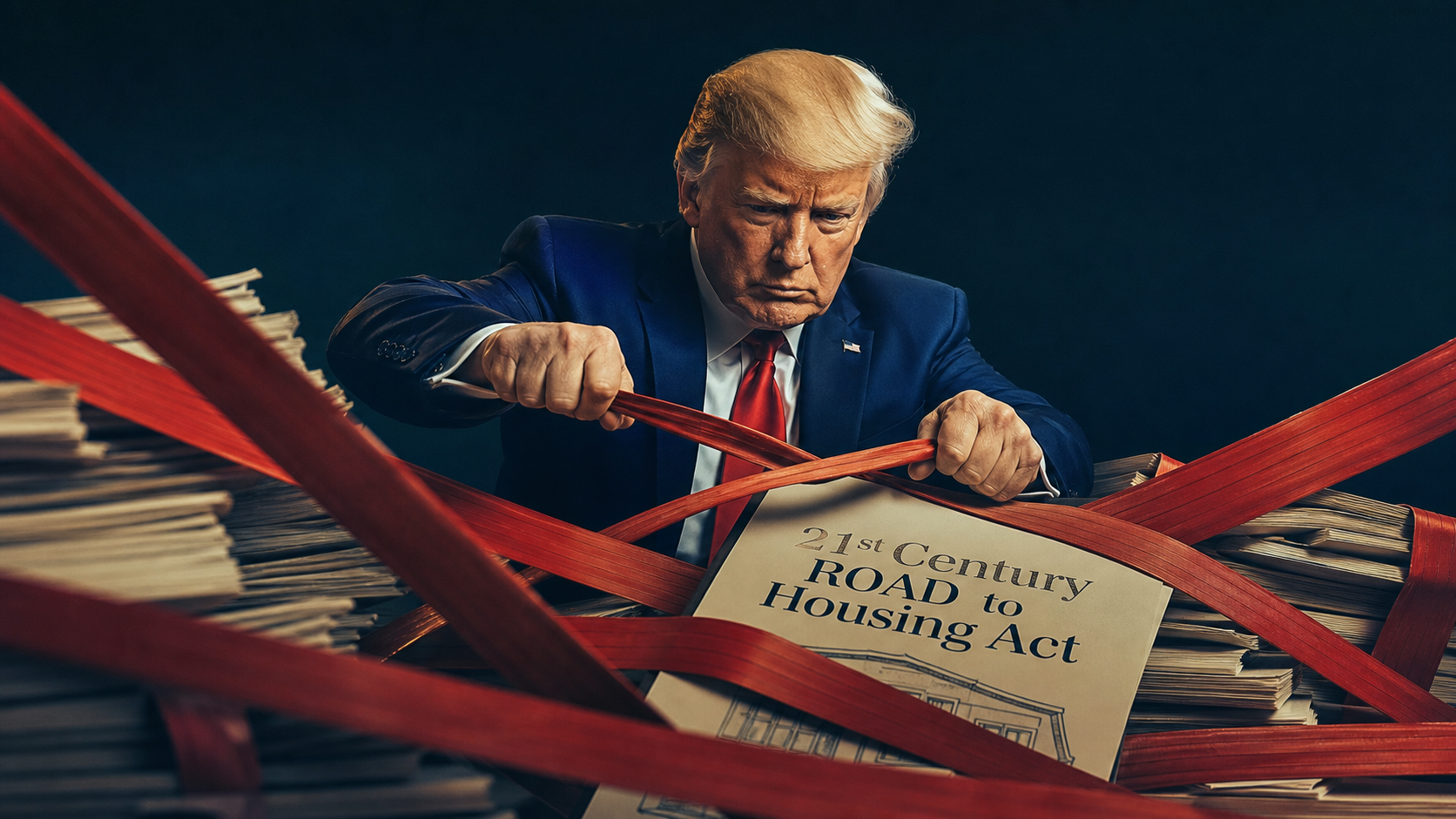
Trump Delays CBDC Bill Signing, Digital Dollar Stays Unsettled
Donald Trump has delayed the planned 7 PM MSK signing of the 21st Century ROAD to Housing Act. The crypto angle is not some side note: Section 1101 would stop the Federal Reserve from issuing a US central bank digital currency until December 31, 2030. After that, Congress would have to approve any CBDC. My take: that is a big legal pause, not a minor procedural footnote. So the digital dollar question is still open. Again.
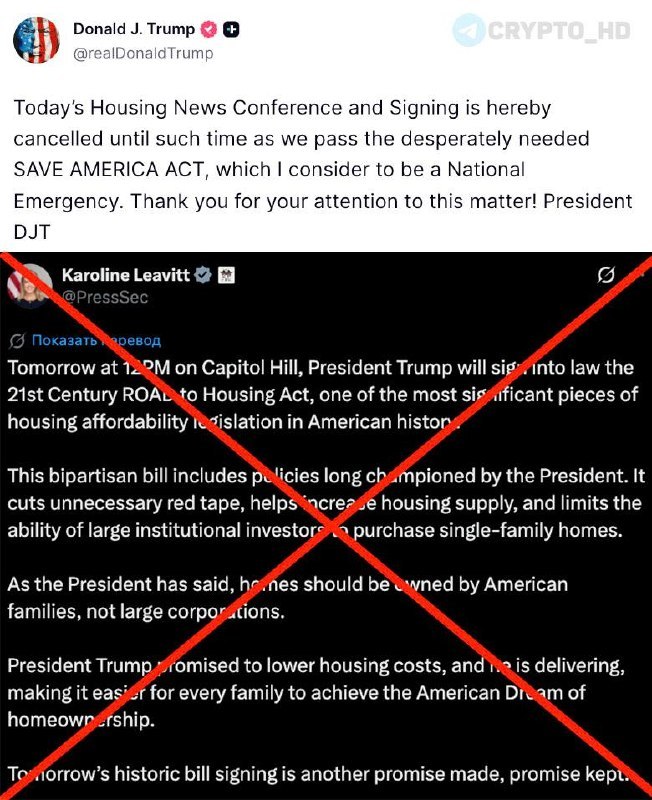
Trump is holding the housing bill until Congress passes the SAVE AMERICA ACT, a separate voting bill built around citizenship checks and photo ID rules. That means a housing bill with major CBDC language is now jammed inside a voting fight. Messy? Yes. Surprising? Not really. Crypto investors lose the thing markets usually want most: a clear rule. Why does this matter? Because the Fed’s room to launch a CBDC is still uncertain, and that keeps pressure on stablecoins and DeFi protocols that would have to sit next to, or compete with, an official digital dollar.
From a regulation pressure angle, this is awkward. Some crypto traders will like the delay because anything that slows a US CBDC can look positive for private stablecoins such as USDT and USDC. Most quick takes will stop there. That’s only half right. A government digital dollar could draw attention, deposits, or political backing away from those assets and similar ones. At the same time, Section 1101 would have put a real limit on the Fed. Since that limit has not become law, a less restricted digital dollar is still possible. Not urgent. Not gone. I’ll be honest: that is the part I would not shrug off if I held a lot of stablecoin exposure.
The macro flow angle is less direct, but it still matters. When Congress drags one bill into another political fight, investors get jumpy. Crypto still trades like a risk asset for many large funds, especially BTC and ETH. If broader markets sour, crypto usually feels it. We have seen this pattern before during ugly political standoffs, when BTC starts acting more like a tech stock than an independent monetary escape hatch. Is the CBDC clause the only market mover here? No. Traders should also watch whether this fight hurts risk appetite, because that can move money into or out of crypto faster than the CBDC language itself.
What this means
The delay leaves the US CBDC debate unresolved. There is no clean legal answer yet, either blocking the Fed or giving it room to move. Counter to the usual tidy policy summary, the outcome is not just “CBDC banned” or “CBDC greenlit.” A harder CBDC push later remains possible. So does a long freeze. Another bill could change the terms. For stablecoin protocols, the message is blunt: the rules are still moving. The Fed is not banned from issuing a CBDC through 2030 because Section 1101 has not passed, but the idea has not disappeared either. USDC, USDT, and the rest still have to account for the chance that Washington returns to this fight.
Investors should watch what happens next with the SAVE AMERICA ACT, since it now affects the housing bill and its CBDC section. Any progress there could pull the digital dollar fight back into the market fast. Fed comments matter more while there is no legal guardrail, especially anything about digital dollar research or pilot planning. On the chart, BTC’s $61.4K area is still worth watching. Yes, this sounds like a chart point sitting next to a Washington process story. Bear with me: if political uncertainty starts hitting risk assets, that level could be a useful tell. The next important date is whenever Congress brings either bill back into active debate.