















































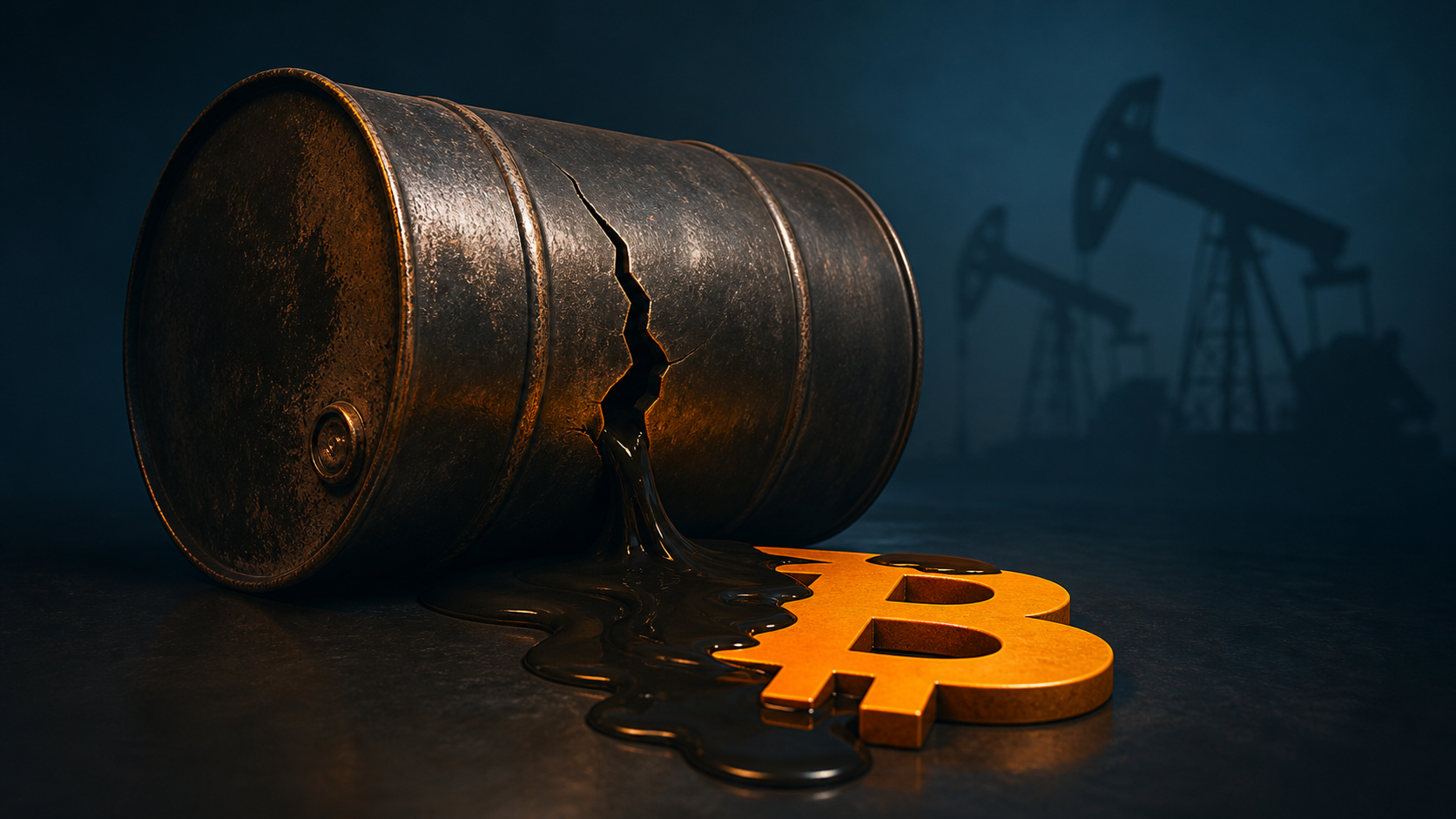
Trump’s Iran oil stance: a Bitcoin safe-haven test?
Donald Trump’s latest comments on Iran point to two things traders actually price: a short conflict, if one happens, and much cheaper oil. That leaves Bitcoin in an awkward spot. People call BTC a safe haven all the time. I’ll be honest: I think that label gets thrown around way too casually. Middle East oil shocks usually expose what markets really believe, often within 24 to 72 hours.
Trump is talking as if speed matters more than patience with Iran. Speaking about the tensions, he said, “Я не думаю, что война с Ираном снова начнется. Всё закончится быстро. Мы не заинтересованы в затяжном конфликте.” The message is blunt: no long campaign, no drawn-out bargaining, at least in his version of events. He added, “Иран хочет заключить сделку, но они не знают, как это сделать. А потом они начинают стрелять по кораблям ночью. Мне это не нравится. Иран лучше понимает язык силы. Новые лидеры Ирана могут исчезнуть так же, как и предыдущие.” That is not subtle. He is saying Tehran responds to pressure, not process. Trump also said, “Я номер один в списке целей для убийств в Иране. Меня это на самом деле не волнует, я просто выполняю свою работу.” Call it confidence. Call it theater. Either way, it throws fresh noise into a region that already trades on noise.
Trump also sees too much oil, which matters for inflation trades. On energy, he said, “У нас сейчас переизбыток нефти. Скоро нефь станет почти бесплатной и очень доступной.” If oil really fell hard, the inflation story would shift quickly. Lower fuel and input costs can ease pressure on consumers and businesses. That can change how traders think about central banks, especially the Federal Reserve. Why does this matter? Because markets usually move before policy does, and crypto traders have been punished enough times to know that routine.
The problem is that cheap oil and geopolitical fear do not point in the same direction. Most market notes pretend they do. That’s only half right. In March 2020, oil collapsed during the first COVID shock. Bitcoin fell with almost everything else at first, then recovered fast. People still bring that episode up because it was messy, not because it gives a clean rule. BTC did not act like gold from the first minute. It acted like a risk asset under stress, then like something more interesting once the panic faded.
Bitcoin’s safe-haven claim is being tested again. When missiles, sanctions, oil routes, or shipping insurance enter the conversation, investors usually look for assets they think can sit outside the stock-market mess. Gold has the old reputation. The dollar often gets the emergency bid. Bitcoin wants a seat at that table. Wanting is easy.
There is one useful comparison. After the January 2020 Soleimani strike, Bitcoin rose about 8% within 48 hours and briefly touched $8,400 before the broader market cooled off. My take: that does not prove BTC is always a safe haven. It proves traders were willing to buy it during that specific shock. Small distinction. Big difference.
Trump’s talk of possible “новые удары” and a quick end could set up the same kind of short, sharp trade. If BTC jumps while equities slip, the safe-haven argument gets stronger. If it stalls or dumps with tech stocks, the argument looks weaker. Yes, this slightly contradicts the clean “Bitcoin as hedge” pitch. Good. The market contradicts it too. Bitcoin can sound like digital gold on calm days and trade like high-beta software when everyone starts selling.
A sharp oil drop would change the macro setup for crypto, but not cleanly. If “скоро нефть станет почти бесплатной” becomes a real move in crude, inflation expectations could fall. Traders might start pricing in a softer Fed. More liquidity, or even the hope of it, usually helps risk assets. That would matter for Bitcoin and Ethereum. It would matter for Solana too, just with a different volatility profile.
But the other side is hard to ignore. If oil is moving because the conflict is getting wider, investors may not care about cheaper energy right away. They may just cut risk. We saw a version of that in late 2021 and early 2022, when inflation and expected rate hikes pulled money out of crypto. Bitcoin fell from about $69,000 in November 2021 to below $30,000 by mid-2022. That was not caused by one thing. Still, the lesson was clear enough: when liquidity tightens, crypto feels it fast.
What this means
Trump’s Iran comments put Bitcoin’s safe-haven story under pressure. If tensions get worse, BTC could catch a fast bid and push toward the $65,000 to $68,000 area. If traders decide the situation is contained, the move may be small. It could even turn negative if the market treats the whole thing as a reason to sell risk. Is this overkill for one political headline? Not really, because the oil angle changes the read-through. Cheaper crude can help the inflation math while conflict can scare capital away.
The first 24 to 72 hours after any Iran-related headline matter more than the speeches. For Bitcoin, $60,000 is the support level I would watch first. $64,000 is the first resistance line that matters. A clean break either way would say more than another round of political quotes. Oil deserves the same attention. A sustained drop would point to softer inflation pressure. A spike would say something very different. For crypto, the next Iran headline is not just geopolitics. It is a live stress test.