
















































Scam token Bitget ZachXBT: 98.5% plunge exposes exchange weak spots
A token scam recently wiped out 98.5% of investor value. That is not a “bad trade.” That is nearly the whole position erased. My take: this is where the old crypto problem shows up again, just with a fresher label. Centralized exchanges can still be the easiest place for shady teams to fake activity, build noise around a token, and drag buyers into something that was never built to last. This one reportedly ran mostly through Bitget, which leaves the exchange’s listing checks and market monitoring looking weak.
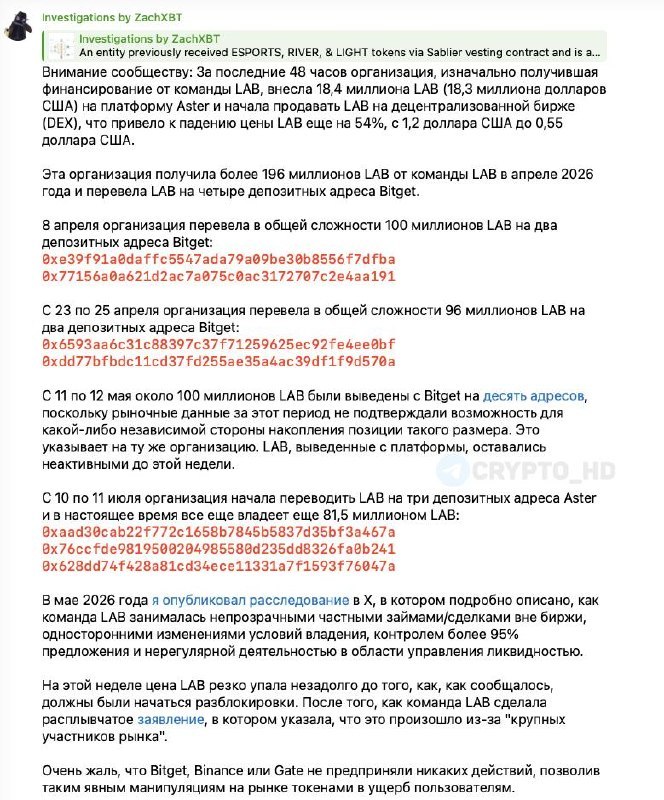
The token was exposed as a scam after falling 98.5%. Manipulators reportedly used Bitget as their main venue. ZachXBT, the crypto investigator, still suspects Bitget may have colluded with the project team. That is a serious claim, especially after earlier reports that users had already been misled. I would not file this away as just another rug pull. A 98.5% collapse tied to a known exchange is the kind of thing that makes traders ask a blunt question: who was supposed to be watching? Someone should have been.
This also adds pressure on regulation. The SEC and regulators outside the US have been paying closer attention to exchange listings and market surveillance. Most guides frame scams like this as a trader education problem. That is only half right. This case did not directly involve a major US-regulated company, but it still gives regulators another example to use when they argue that exchanges need tighter controls. The SEC’s case against Coinbase, for example, has raised questions about unregistered securities and market structure. When a large exchange is even loosely tied to a 98.5% scam, the argument for more oversight gets easier to make. It could also make regulators more cautious on products like spot Ethereum ETFs if they decide exchanges need stronger safeguards before more crypto investment products get approved.
The scam also affects how money moves inside crypto. Big scams do not only hurt the people holding the token. They make everyone more suspicious. Some traders move away from smaller altcoins and back into Bitcoin (BTC) or Ethereum (ETH). We have seen that pattern before, most clearly after FTX collapsed in November 2022: the whole market took a hit, but BTC dominance climbed as traders moved toward the asset they trusted more. Not safe, exactly. Just less fragile. Why does this matter? Because confidence in crypto is not abstract; it shows up in what people buy next. If scams like this keep piling up, they can drag on sentiment and slow momentum in BTC, which recently touched $61.4K, or ETH, which has been pushing toward new highs. Crypto keeps trying to look more mature, then another project drops 98.5% and reminds everyone how thin the guardrails still are.
Here is the part that matters most to me: ZachXBT’s suspicion of Bitget is not background noise. It questions the exchange’s credibility directly. Bitget had not publicly responded to these specific allegations in the source, and that silence matters if it continues. Collusion with a scam project is not a small accusation. It can damage an exchange’s reputation for months or years, especially with larger traders and institutions that care about compliance and custody. They also care whether the venue will still look respectable after the next scandal. Counter to the usual advice, this is not just about waiting for regulators to clean things up. Crypto still leans heavily on independent investigators like ZachXBT because regulators often move too slowly and exchanges rarely expose their own dirty laundry.
What this means
This 98.5% scam shows that bad actors are still using weak spots in the crypto market, including centralized exchanges, to run their plays. The market may be older now, but plenty of tokens and venues still look easy to manipulate. The clearest signal is more pressure on mid-tier exchanges and their listing standards. Traders should be careful with new tokens that launch with loud marketing and thin transparency. Sudden pumps matter. Brutal selloffs matter more. I know that sounds basic, but people keep getting caught by the same pattern. Is this overkill? Not when the loss is 98.5%. The case may also push more users toward self custody, since trust in some centralized platforms keeps taking hits. The direct victims are the investors who lost 98.5% of their capital. Bitget is exposed too, because a well known on-chain investigator has put its name under a cloud.
Next, watch whether Bitget responds to ZachXBT’s allegations. A detailed statement would matter. So would silence. I’ll be honest: silence would read badly here. Traders should also watch regulators, even if this case does not trigger an immediate SEC action. Yes, that sounds like a contradiction after saying this is not only a regulatory story. It is both. The case still adds to the pile of examples around exchange listings and market manipulation. Over the next few months, look for new enforcement actions or policy proposals aimed at how exchanges list tokens. On the market side, weaker trust could take some strength out of altcoin dominance, with money moving into BTC if it can hold above $60,000. The next major FOMC meeting or a major regulatory announcement could make those moves sharper.