















































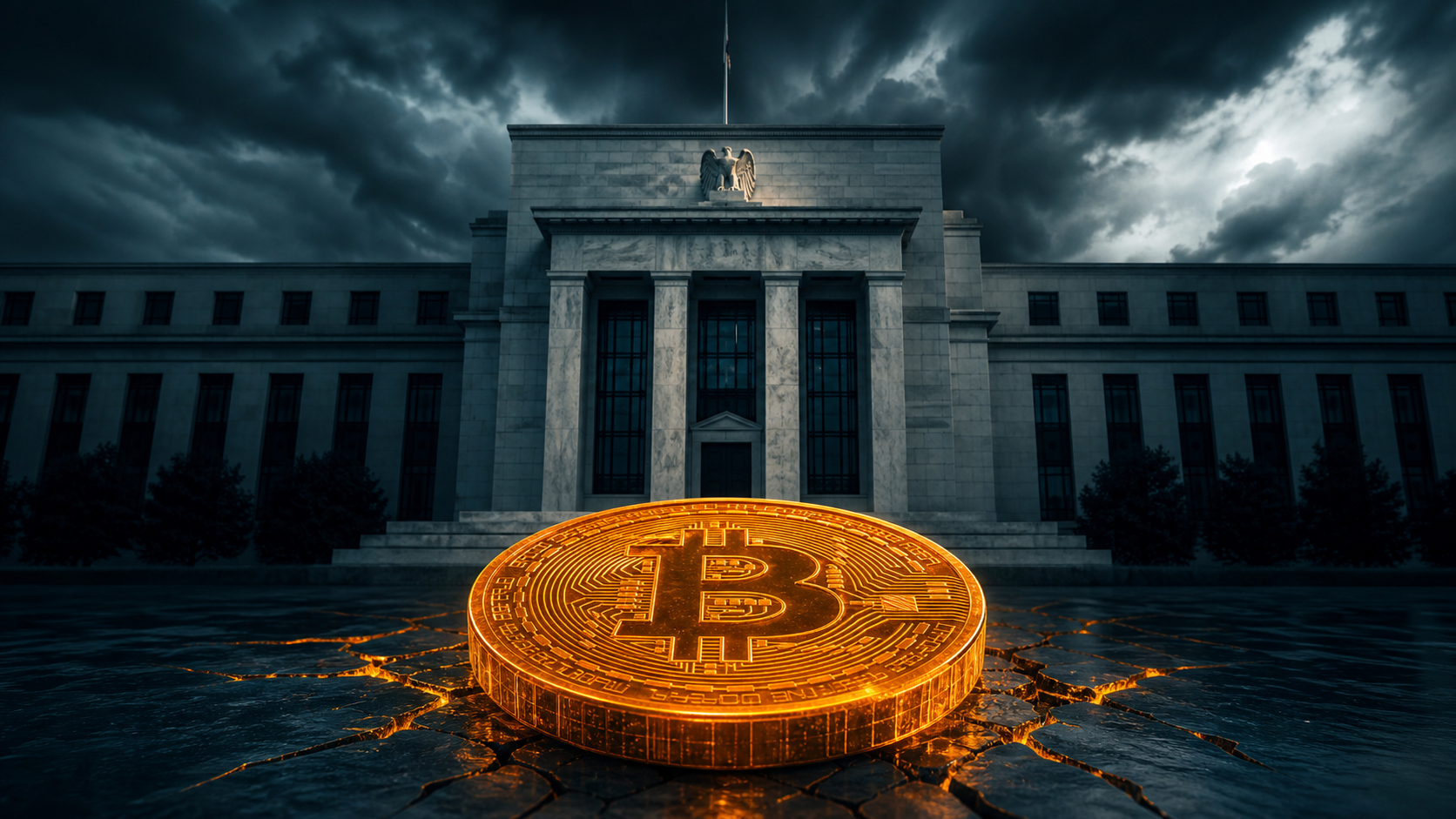
Fed minutes point to higher rates, and crypto gets the worst of it
The Fed minutes released on July 8 were pretty clear: easy money is not coming back anytime soon. My take: crypto traders are still pricing in more relief than the Fed is offering. That matters because when cash and Treasurys pay real yield, Bitcoin and altcoins have to work harder for capital. Simple as that.
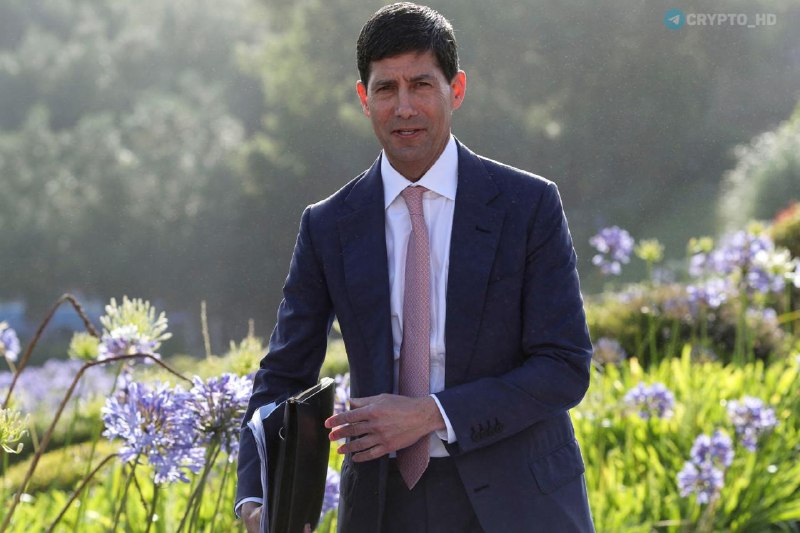
The Federal Reserve’s 12-0 vote to hold the federal funds rate at 3.50-3.75% was not the shock. The tone was. The minutes removed wording that had pointed toward future rate cuts, and markets caught it fast. Inflation is still above the Fed’s 2% target, and officials do not sound ready to call the fight over. They pointed to tariffs and energy prices. They also flagged conflict in the Middle East, a possible Strait of Hormuz closure, and strong demand from AI spending. That last one is awkward. The AI boom that has lifted tech sentiment is also showing up in Fed discussions as a possible inflation problem.
Several Fed officials said a rate hike had a case at this meeting, even though they voted to pause. That matters. The hike debate is still alive. Most market commentary treats a pause as dovish. That’s only half right. Some officials said they would back higher rates if inflation keeps running hot because of AI demand, tariffs, or geopolitical stress. For crypto, this hits the basic flow of money. When money gets more expensive, investors usually have less patience for high beta assets. We saw the harsher version in late 2021 and 2022, when Bitcoin dropped more than 70% from its highs as the Fed tightened hard. This is not that setup yet. But the logic has not changed: higher rates make speculation harder to defend.
The Fed still sees the U.S. economy as sturdy. Growth is steady, consumers are spending, stocks are holding up, corporate profits look healthy, and AI investment is adding more demand. The labor market also looks stable, with unemployment mostly unchanged and hiring roughly matching labor force growth. Why does this matter? Because it gives the Fed room to stay restrictive without rushing into recession mode. For crypto, that is not as helpful as it sounds. A strong economy is fine. A strong economy with sticky inflation lets the Fed keep rates high. In that world, investors often pick yield over risk. Treasury bonds start looking less dull. Ethereum, even after the Dencun upgrade, still behaves like a risk asset when macro pressure builds.
The split inside the Fed is the messier part. Some members think rates should be at or a little below current levels by year end. Many others think rates should be higher. Not great. That leans hawkish, and markets have already moved. Traders now expect no rate change until early 2027, with only one cut priced for Q2 2027. A mid-2027 hike is also on the table. Counter to the usual advice, Bitcoin’s safe haven story does not automatically get stronger when geopolitics gets worse. BTC rose 8% during the January 2020 Soleimani strike, but rates were in a different place then. If Middle East tensions keep adding inflation pressure, yield in traditional markets may compete with Bitcoin’s “digital gold” pitch more than bulls want to admit.
What this means
The Fed is telling markets to stop counting on quick cuts. I’ll be honest: that is the sentence crypto traders should probably sit with. It can push capital away from speculative assets and toward places where investors can earn yield with less stress. The AI angle is uncomfortable for crypto. AI is still a growth story, but if AI spending keeps demand hot, the Fed may use it as another reason to stay tight. That makes capital more expensive for crypto companies and can cool demand for tokens without clear revenue or real usage. Staying power matters too.
Bitcoin (BTC) and Ethereum (ETH) probably keep facing rate pressure unless inflation data cools. Projects with actual users, cash flow, or obvious utility should have a better shot than tokens trading on vibes. Yes, this contradicts the usual “liquidity fixes everything” crypto reflex. Bear with me: liquidity helps, but valuation still gets harsher when the risk-free rate stays high. I would watch inflation reports and jobs data first, then the next FOMC meeting and minutes. On the chart, a break below $60,000 for Bitcoin would look ugly. A clean move above $70,000 would show buyers are still willing to push against the macro backdrop. Is this overkill? For a market reacting to every inflation print, jobs report, and Fed comment, no. The CME FedWatch Tool is worth checking too because rate expectations keep moving with every inflation print, jobs report, and Fed comment. For now, crypto is stuck between geopolitics, AI spending, and a Fed that still cares more about inflation than market comfort.
FAQ: Fed meeting minutes and interest rates
What are Fed meeting minutes?
Fed meeting minutes are records of what Federal Open Market Committee members discussed at a policy meeting. They show how officials viewed inflation, growth, jobs, and interest rates. I read them less as a transcript and more as a map of what the Fed is willing to tolerate next.
How do interest rates affect cryptocurrency?
Higher rates make borrowing more expensive and make safer assets, such as Treasury bonds, more attractive. That can pull money away from speculative assets like crypto.
What does “hawkish” mean in the context of the Fed?
A hawkish Fed is more focused on fighting inflation, usually through tighter policy and higher interest rates. In plain English: less patience for markets that want easier money.
Why is AI considered an inflationary driver by the Fed?
The minutes said AI investment is adding demand to the economy. If that demand pushes up spending, labor needs, energy use, or infrastructure costs, the Fed may treat it as inflationary.
What is the “higher for longer” rate environment?
“Higher for longer” means rates stay elevated for an extended period instead of falling quickly. Current market pricing points to no change until early 2027, with one possible cut in Q2 2027.
How does the CME FedWatch Tool relate to Fed meetings?
The CME FedWatch Tool estimates the market’s odds of future rate moves using federal funds futures prices. Those odds often shift after Fed meetings, inflation data, jobs reports, and public comments from officials.
What economic data should investors watch after Fed meetings?
Investors should watch inflation reports and employment figures. Those two data sets have the biggest influence on how the Fed thinks about its next rate move. Skip the noise first.