















































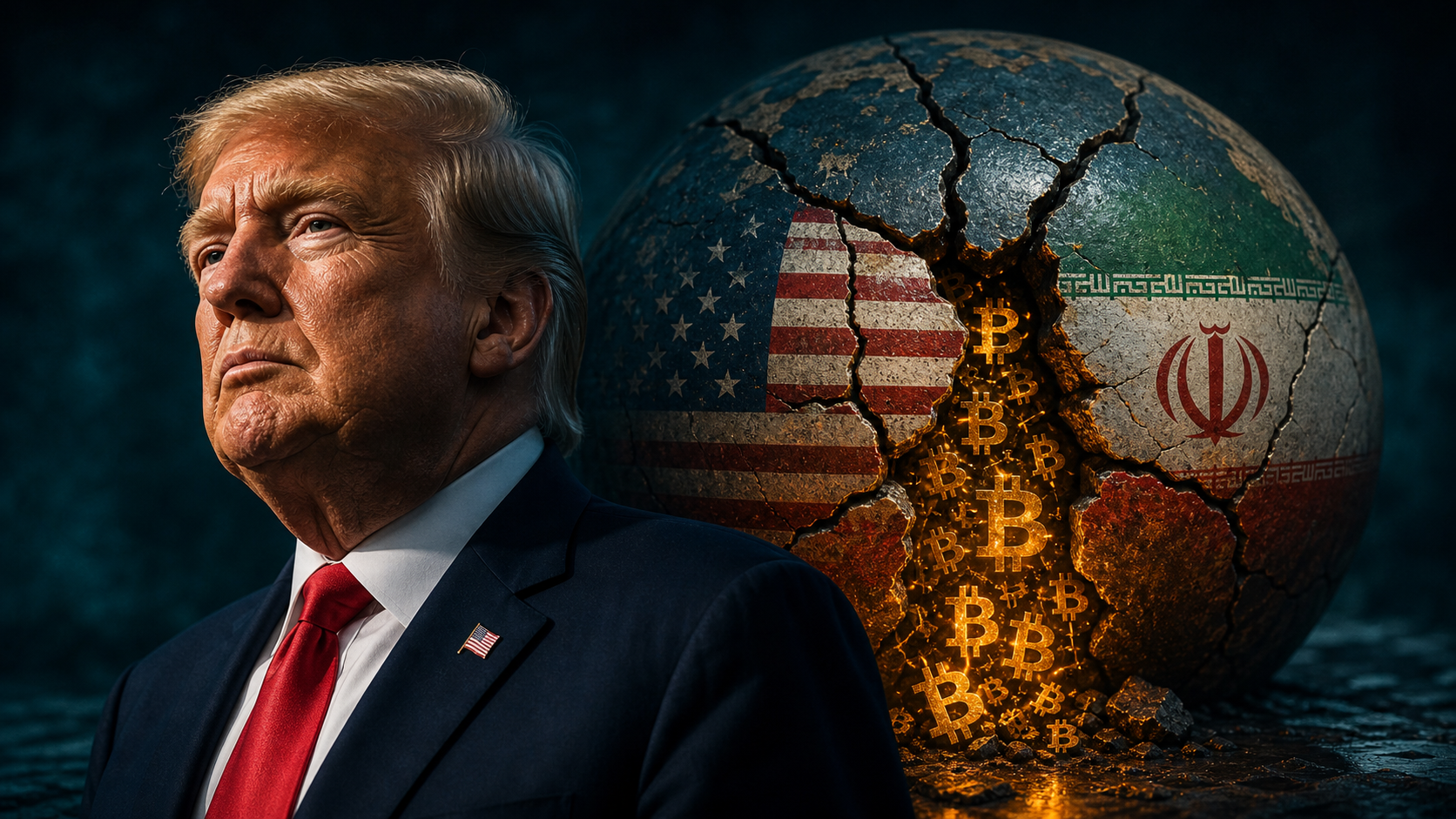
Trump Iran nuclear deal claims put BTC’s safe-haven story back in play
Donald Trump’s latest claim that Iran agreed “never to create nuclear weapons” pushed US-Iran risk back onto traders’ screens. His separate denial of reports about a $300m payment to Iran, which he called Democratic “fake news,” made the story harder to price. My take: Bitcoin is back in the conversation whether traders like the setup or not. BTC has often caught a bid after major geopolitical shocks, sometimes moving 3-5% within 48 hours. But no, that is not a market rule. It is a pattern, not a promise.
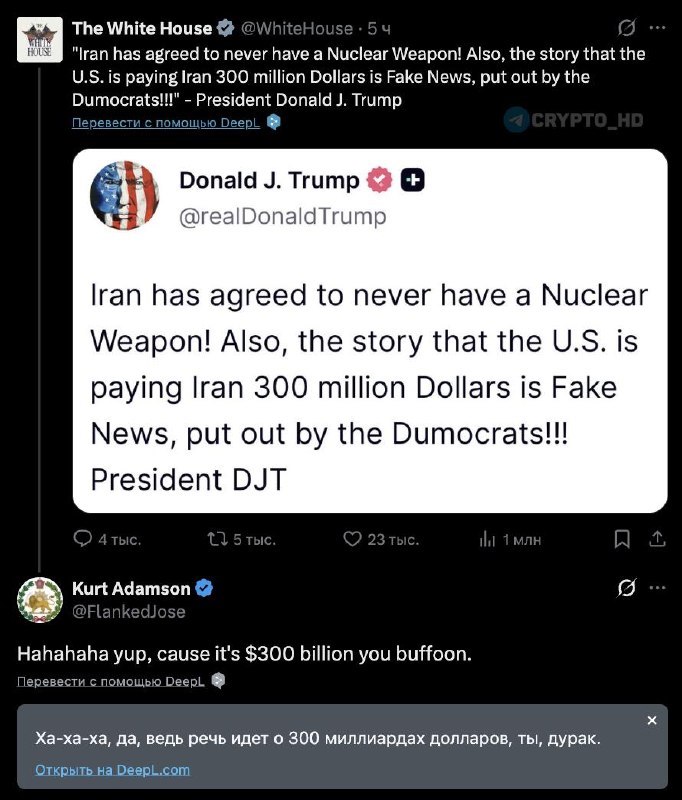
The comments also do not line up cleanly with earlier reports. Some commentators said the figure under discussion was not $300m but $300b. Huge difference. Markets often trade the headline first and check the details later, which is exactly why that gap matters. The “agreement” is not clearly named in the source, but it appears to refer to the Joint Comprehensive Plan of Action, the Iran nuclear deal the Trump administration left in 2018. That exit raised tensions at the time. The same topic can still move oil headlines today, then gold, then crypto if the stress starts to feel real.
When geopolitical stress rises, traders usually look for somewhere to hide. Gold is the obvious place, and the dollar often gets attention too. Bitcoin sometimes joins that group, although the case for it is still unsettled. Most guides treat BTC’s safe-haven role as either proven or laughable. That’s only half right. After the Soleimani strike in January 2020, BTC rose about 8% over the next 72 hours, while gold gained roughly 2%. That is the example bulls keep reaching for when they call Bitcoin a non-sovereign store of value. Fine. But the trade only works if buyers believe the risk is real and urgent. Why does this matter? Because if this remains campaign-trail noise, BTC may barely react. If tensions build, the $65,000 area is the level to watch.
Oil matters here as well. A serious flare-up in the Middle East could push crude higher, which would feed inflation fears at a bad time. If inflation looks sticky, the Fed has less room to ease up on rates. Higher rates usually hurt crypto because they make speculative assets less appealing. Yes, this slightly cuts against the safe-haven argument above. Bear with me. A sharp geopolitical shock can scramble the usual setup, and some money may leave equities for assets that feel harder for Washington, Tehran, or any central bank desk to control. Bitcoin did something similar after the March 2020 COVID crash: it dropped hard first, then recovered faster than many traditional indexes. We tried. It broke. Then it rebuilt the bid.
What this means
Trump’s comments add another source of political risk around the Iran nuclear deal. Markets may treat that as a reason to price in more volatility, especially in oil. For crypto, the setup is blunt: if traders start looking for protection outside the usual system, BTC could benefit. I’ll be honest: I would not push that too far. Bitcoin is still volatile and often trades like tech when fear really hits. Is this overkill for one political claim? Maybe. But a move toward $65,000 would show buyers are taking the safe-haven argument seriously. A clean break above it would say more.
Investors should watch what comes next from the current US administration, not just Trump. Statements from international bodies matter too, especially if they confirm or reject parts of the story. Oil and gold are the first tells. If either jumps sharply, BTC may follow. Counter to the usual advice, I would not stare only at spot BTC here. CME Bitcoin futures open interest is worth watching because it can show whether larger traders are preparing for a bigger move. On the downside, $61,400 is the level I would keep on the chart. If BTC loses it and stays below it, the safe-haven trade probably is not convincing buyers yet.