
















































Binance.US CEO targets 20% market share as regulation starts to loosen
Binance.US CEO Stephen Gregory says the exchange is trying to wake up after two years of “hibernation.” The target is blunt: get back to the 20% share of U.S. trading it once had. That is not a small rebound. My take: the whole plan comes down to whether traders believe the brand is usable again, not just cheap again. The pitch is lower fees, more products, and a regulatory story that is easier to defend. Coinbase and Kraken should be watching.
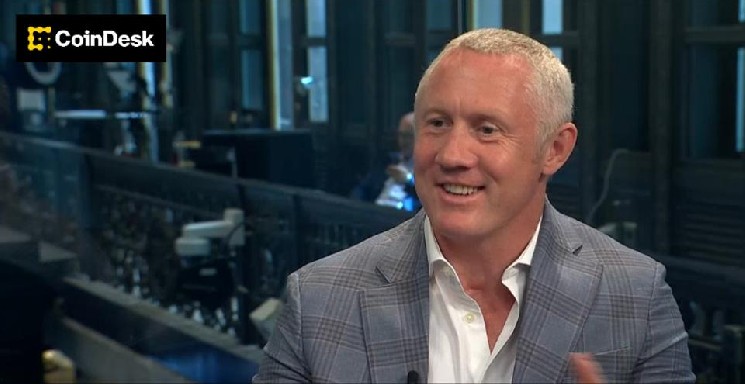
Gregory was careful about one point. Binance.US is a U.S.-only exchange, separate from Binance.com, even though the two share a brand and a common beneficial owner. That distinction matters after the regulatory trouble around the wider Binance name. It really matters. The company serves only U.S. customers now and is trying to rebuild trust after a long quiet stretch. Crypto traders can forgive a lot when spreads are tight. But not everything.
The first lever is pricing. Gregory said Binance.US has cut fees to “essentially almost a no-fee exchange,” with 0% maker fees and 2-basis-point taker fees. That is aimed straight at Coinbase, where cost complaints still show up constantly from active users. Why does this matter? Because a 2-basis-point taker fee is not a slogan for high-volume traders; it changes routing decisions when strategies turn over capital repeatedly. A fee fight would help active traders, especially anyone running high volume or high frequency strategies where a few basis points actually matter. It would be less pleasant for exchange shareholders. COIN already reacts to exchange data and regulatory news, and a long run of fee cuts could pressure Coinbase revenue if customers start moving volume elsewhere.
The harder part is products. Binance.US wants to add more, but that depends on U.S. regulators giving exchanges room to do it. Gregory sounded optimistic that federal agencies are opening up crypto oversight in a way that could let firms apply for more licenses. I’ll be honest: that is the part I would discount most heavily until filings and approvals appear. Most exchange comeback stories start with “regulatory clarity is improving.” That is only half right. Still, if Binance.US can offer derivatives, perpetual futures, and prediction markets inside the U.S., the market changes. Those products already pull serious volume offshore. A licensed U.S. venue would give professional traders fewer reasons to route activity somewhere else. Institutions too.
That matters because the U.S. market has been boxed in for years. Retail traders can buy spot crypto without much trouble, but many of the products that drive global volume sit outside the domestic system. If that gap narrows, U.S. liquidity could improve. Spreads could tighten. Volumes could rise. Yes, this sounds like it contradicts the caution above, but it does not: policy risk and market impact can both be large at the same time. None of that happens just because one CEO says the mood has changed. But if regulators start approving licenses instead of only filing complaints, the market will notice quickly.
Gregory also talked up the company’s lean operating model. Binance.US is trying to keep costs low while rebuilding liquidity through incentives and direct outreach to retail customers. He said he has personally contacted top users for feedback, which is more concrete than the usual corporate fog. We have seen that detail matter in exchange turnarounds before: direct calls to top accounts usually mean liquidity is being rebuilt account by account, not through a press release. It sounds scrappy. Maybe it is. The goal is to bring the “liquidity associated with the Binance brand” to U.S. customers. If Binance.US gets close, pricing across U.S. exchanges could get sharper.
What this means
Binance.US is trying to get back into the U.S. exchange race with low fees and a broader product plan. That alone does not make it a comeback. The 20% target is ambitious, and the Binance name still has baggage in the U.S. Counter to the usual advice, I would not watch the headline market-share number first. I would watch whether serious traders start testing the venue again. The strategy is easy to read: win traders back on cost, then add products if regulators allow it.
If Binance.US wins meaningful share, Coinbase would probably feel the clearest pressure. COIN could struggle if fee compression becomes a lasting trend instead of a short promotion. Is this overblown? For a tiny exchange, yes. For a venue chasing 20% U.S. share with 0% maker fees, no. Kraken would have to respond too, though it is not judged through the same public market lens. For traders, the upside is straightforward: cheaper execution and more competition. Maybe more products on U.S.-regulated platforms.
The next 6 to 12 months should make this easier to judge. Watch for real license applications, product launches, and volume shifts across major U.S. exchanges. Fee tables matter too. In our own tracking, fee-table changes tend to show up before louder strategic pivots, because exchanges can move pricing faster than they can move licensing. If Coinbase, Kraken, or others start cutting more aggressively, that would suggest Binance.US is getting their attention.
Regulatory signals matter just as much. Statements from federal agencies on derivatives, perpetual futures, prediction markets, and exchange oversight will tell us more than executive optimism. My read: the product-permission question is the whole story, even if the fee war gets the cleaner headline. A clearer path for these products could pull more liquidity into the U.S. crypto market and affect major assets like BTC and ETH as capital moves through regulated venues. For now, this is still a bet on execution and policy. Either one can break the story.