















































Fed balance sheet, inflation, rates point to crypto liquidity stress
The Fed’s balance sheet, inflation numbers, and rate decisions matter for crypto liquidity. Boring? Usually. But this is also where stress often shows up before BTC, ETH, or COIN traders see it clearly on the chart.
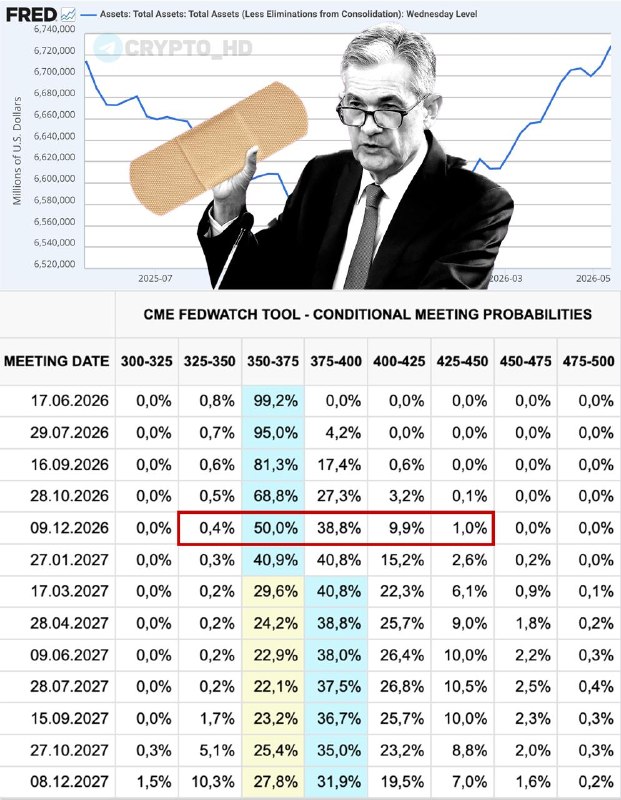
Recent data shows the Fed balance sheet rose by $18,997,000,000 in one week. Markets now expect the Fed to hold rates until December 2026. For crypto, that is the macro backdrop. My take: liquidity is helpful, but it is not magic. Sticky CPI still makes BTC and ETH buyers hesitate.
According to the source post, April CPI came in hotter than expected. Goolsbee said there could still be room for a large rate cut later if inflation cools again. Kashkari was less forgiving. He said inflation is still too high, and he pointed to the Strait of Hormuz as a risk if it stays closed for too long.
That puts crypto in an awkward spot. A $18,997,000,000 weekly balance sheet increase can help BTC, ETH, and COIN around the edges. Counter to the usual advice, though, balance sheet growth does not automatically mean “risk on.” A rate pause priced out to December 2026 tells traders the Fed is not rushing. Liquidity helps. Inflation still bites.
The setup is blunt. If markets do not expect a cut before December 2026, BTC bulls lose the easy “lower rates now” story that worked in earlier easing cycles. During the January 2020 Soleimani shock, BTC rose about 8% over several days as traders argued over safe haven demand. That was geopolitics, though. It was not a Fed pause trade.
Safe haven demand is the other crypto angle. Kashkari singled out the Strait of Hormuz as a possible trigger. If that route stays closed for long, he said supply chains may need months to recover even after it reopens. Why does this matter? Because oil driven inflation can make the BTC as digital gold trade messy fast. Traders may buy hedges. They may also dump high beta assets if inflation expectations jump.
BTC and gold do not always move together during crisis weeks. In a cleaner safe haven bid, BTC can draw money from investors looking outside banks and fiat. In an energy inflation scare, ETH, COIN, smaller tokens, and leveraged crypto equities usually have a harder time. Funding costs bite fast. So does leverage.
Goolsbee gives crypto traders the friendlier version of the story. April CPI was worse than expected, but he still sees a large future rate cut as possible if inflation slows again. I’ll be honest: that keeps the liquidity trade alive, but only barely. It does not prove much today. Markets still need to move from a bad April CPI print to clear disinflation before December 2026.
Kashkari pushes the other way. Inflation is too high, the Hormuz risk is still open, and supply chains could take months to normalize, according to him. Most crypto takes stop there. That is only half right. BTC can catch macro hedge flows, while ETH beta and exchange linked equities like COIN remain tied to rate expectations, funding conditions, and risk appetite.
The political layer matters too, but I would not overrate it. Kashkari said the Fed chair has major influence but is still only 1 of 12 votes. The source also mentions an earlier item about a new Fed chair. Is that tradable? For a few hours or days, maybe. For crypto investors, the actual rate path still comes down to the voters and the inflation data.
What this means
The market is caught between liquidity support and inflation restraint. That is not a clean setup for risk assets. Not clean at all.
A $18,997,000,000 balance sheet increase in 1 week can loosen conditions a little. But a pause priced until December 2026 limits the bullish case for BTC unless traders see the April CPI disappointment fade. Yes, this sounds like it contradicts the liquidity point above. It does not. BTC is the cleanest ticker here because it sits between two trades at once: liquidity and safe haven demand.
Investors should watch the CPI prints after April and the next FOMC communication first. Then check CME rate pricing for the December 2026 path. After that, watch whether BTC holds round number support if Hormuz headlines get worse. For ETH and COIN, the test is more direct: if inflation stays too high and rate cuts move further out, beta probably lags BTC even if the Fed balance sheet keeps growing.