














































Vietnam Spacecoin blockchain satellite network: a real adoption signal?
A blockchain-based Starlink rival is set to launch in Vietnam after Spacecoin signed an exclusive deal with DETI Technology to build a decentralized satellite network. If the numbers hold, this is bigger than a lab demo. The project could bring in more than $100 million a year, which would push blockchain closer to something people actually use, not just something they trade on bad news days.
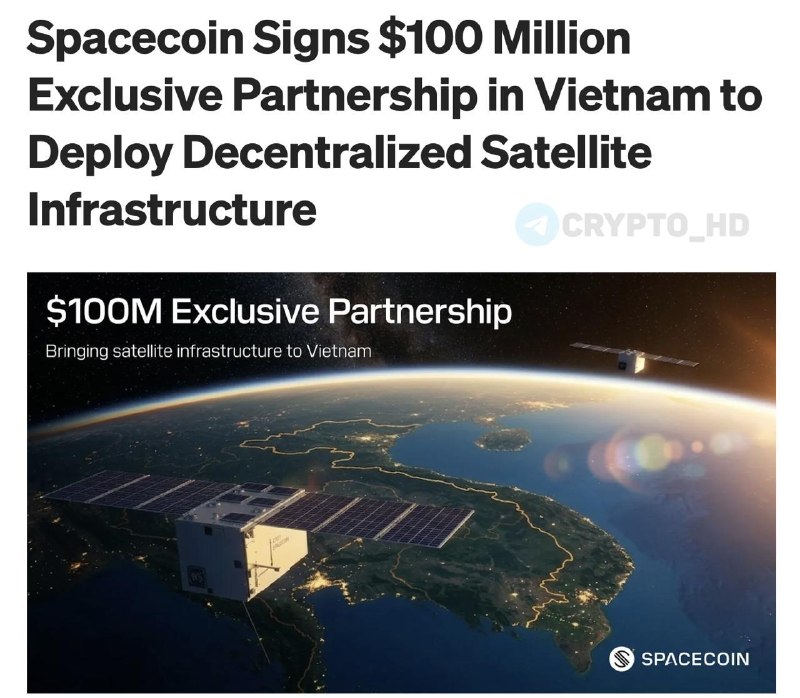
The plan is to combine satellite communication, blockchain, and AI into a telecom network that does not rely on one central operator. That is the pitch. My take: the pitch is familiar, but the venue is not. Spacecoin and DETI Technology are not just waving at crypto buyers; they are going after traditional internet providers in Vietnam with the usual crypto argument of fewer gatekeepers and more open networks. Most guides would stop there and call it “decentralization.” That is only half right. The $100m+ annual revenue target matters because it makes this look like a business plan, not just a whitepaper with a shiny satellite image attached.
For crypto, this is a useful adoption signal. Vietnam has a fast-growing digital economy, so using blockchain for internet infrastructure means more than another exchange listing or payments pilot. Why does this matter? Because telecom breaks in public. This is the kind of service people notice immediately when it fails, and that raises the bar. National adoption stories have moved market sentiment before, although the comparisons are always messy. El Salvador made Bitcoin legal tender in September 2021. The rollout was rough and volatile, but it still helped the story that governments were starting to take crypto seriously. Bitcoin later hit about $69,000 in November 2021. The Vietnam project is not the same thing, and it does not appear to plug directly into Bitcoin. Still, it shows that investors and operators are willing to fund decentralized infrastructure, which makes the wider crypto market look a little less like a casino and a little more like an industry.
There is also the money-flow angle. Investors are still watching the Federal Reserve, inflation, and the timing of rate cuts, then looking for growth wherever they can find it. A satellite network that mixes AI and blockchain will get attention because it fits the “high growth tech” bucket. I’ll be honest: I am wary of that label because it gets slapped on almost anything with a token and a chart. Here, though, the revenue target and infrastructure use case give the story more substance. Counter to the usual advice, the interesting part is not only whether Spacecoin wins. It is whether capital starts treating blockchain infrastructure as a revenue story rather than a mood trade. If traditional markets look shaky, some capital moves into safer assets. Some also goes looking for risk, especially in projects that sound early, technical, and big enough to matter. Spacecoin could benefit from that attention, and related infrastructure tokens may see interest too, even without a direct link to a Spacecoin token.
What this means
The Vietnam Spacecoin blockchain satellite network points to something crypto badly needs: fewer slogans and more working services. It works, or it does not. Nations and companies are testing decentralized technology outside finance, and telecom is a serious place to try it. The $100m+ annual revenue projection gives the project a commercial backbone. It is not proof that it will work, but it is a number traders can track. Is this overkill for one country-level satellite project? No, because a telecom network with real users is a much harder test than a payments pilot. If the launch happens and early usage is real, sentiment around infrastructure-focused crypto projects such as Filecoin (FIL) or Helium (HNT) could improve. Yes, that sounds like the loose narrative trade I warned about above. Bear with me: markets still trade narratives first, then ask for revenue later. That does not mean those tokens automatically benefit. Revenue and adoption still have to show up.
Traders should watch Spacecoin tokenomics and public funding rounds first. Then launch dates, early revenue figures, and any regulator response. Those are the details that can turn a headline into a trade. Skip this step. Sentiment around infrastructure crypto matters too, especially if investors start moving out of pure speculation and into projects with visible business models. Regulation is another part of the story. If other countries respond well to decentralized satellite networks, the idea gets bigger. If regulators push back, the timeline gets harder. My read: Vietnam is now a live test of whether blockchain infrastructure can move past theory and earn real money.