
















































CLARITY Act: Last Chance for US Crypto Leadership Before 2030?
“The CLARITY Act represents Congress’s final opportunity to establish a federal framework for digital assets before 2030,” according to Senator Cynthia Lummis. Big claim. I think the deadline framing is a little theatrical, but the underlying issue is not. This bill is really about whether banks, exchanges, founders, and investors get usable rules from Congress, or whether they keep reverse-engineering policy from enforcement actions after the fact.
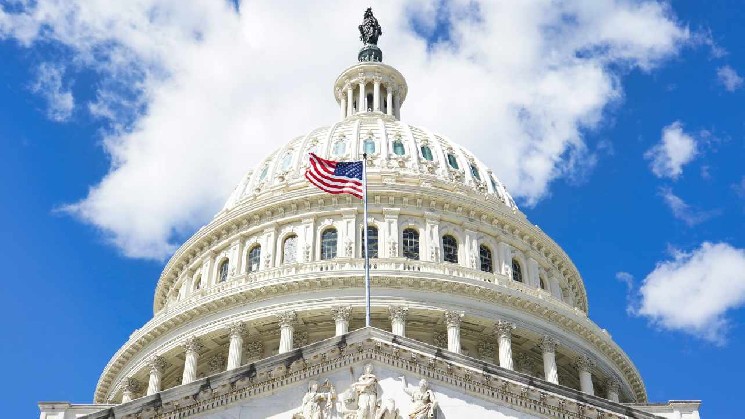
“The CLARITY Act is the closest Congress has ever come to real digital asset market structure, and momentum like this will not come around again this decade,” Lummis said. The Wyoming senator, who has pushed digital asset legislation for years, pointed on July 11 to a simple bottleneck: the calendar. The Senate is scheduled to leave for its August recess from Aug. 10 to Sept. 11. After that, the midterm cycle starts narrowing the lane. Why does that matter? Because even a bill with support can die quietly when floor time disappears. If Congress misses this window, the US may spend years reacting to rules written in other markets.
“The Digital Asset Market Clarity Act of 2025 aims to define regulatory responsibilities between the Securities and Exchange Commission (SEC) and the Commodity Futures Trading Commission (CFTC).” For crypto investors, that is the sentence worth circling. Two agencies. One market. Years of confusion. The SEC-CFTC split has forced companies to guess which regulator might challenge them later, and it has kept some institutions on the edge of the market. My take: the bill does not need to solve every crypto problem to change behavior. A cleaner setup could support more regulated products and more serious capital, the same way Spot Bitcoin ETFs mattered when they helped push BTC past $61.4K in early 2024.
“America has led every great technological revolution, the railroad, the internet, the smartphone, and digital assets are next, with the CLARITY Act ensuring the US maintains this lead,” according to Lummis. I would slow down there. Crypto is not automatically the next railroad or smartphone just because a senator says so. Still, the policy risk is real. The UK and Singapore are already writing digital asset rules, and that gives firms something concrete to plan around. If the US keeps arguing over definitions, American crypto companies could face higher costs, slower approvals, more lawyer-heavy product launches, and a harder time hiring. Some teams will leave. The dollar question is murkier, but not imaginary. If tokenized payments become normal, US rules will shape how much of that activity stays connected to American financial rails.
“This is likely our last chance to get real legislation for digital assets on the books before 2030, and if we fail to pass the CLARITY Act, another country will write the rules for digital assets, leaving the US to spend the next decade catching up,” Lummis said. Her July 8 warning was blunt, maybe deliberately so. Market participants have been making the quieter version for years: the current setup rewards caution. Is a partial framework enough? In this case, probably. It only has to tell companies what they can do, which regulator they answer to, where the legal lines sit, and when those lines change. Stablecoins are the easy example. Clear rules could make them more practical for payments without forcing every serious operator to build under constant legal uncertainty.
What this means
“The CLARITY Act’s fate will signal whether the US is serious about embracing digital assets or content to watch from the sidelines.” If it passes, crypto markets would likely take it well, especially exchange-linked names like BNB or COIN and protocols that need cleaner legal definitions to operate in the US. I’ll be honest: I would not chase every green candle on passage headlines. Markets often price in good news before the final vote. Still, less regulatory fog usually means a lower risk premium, and that can lift valuations.
“Investors should closely watch Senate negotiations in the coming weeks, especially before the Aug. 10 recess, as any progress or setbacks will directly impact market sentiment.” Watch the calendar. Watch committee movement. Watch the senators who can slow, narrow, or reshape the bill. No movement before Aug. 10 would probably hurt sentiment, even if the bill is not formally dead. Counter to the usual advice, the boring version of this outcome may be the bullish one: passage with compromises, followed by a US rulebook dull enough for large institutions to trust.
FAQ
Q: What is the CLARITY Act?
A: The CLARITY Act, formally the Digital Asset Market Clarity Act of 2025, is proposed US legislation that would create federal rules for digital assets.
Q: Who is advocating for the CLARITY Act?
A: Senator Cynthia Lummis of Wyoming is one of its main advocates. She has framed it as important for US influence in digital asset markets.
Q: Why is the CLARITY Act considered a “last chance” before 2030?
A: Lummis says the current momentum, short Senate calendar, Aug. 10 recess, and coming midterm cycle make this the best remaining chance this decade.
Q: What are the main goals of the CLARITY Act?
A: The bill would define how the SEC and CFTC divide oversight of digital assets and give companies a clearer path for operating in the US.
Q: How could the CLARITY Act impact institutional investment in crypto?
A: Clearer rules could make it easier for institutions to enter the market, since legal uncertainty would carry less of a penalty.
Q: What are the potential consequences if the CLARITY Act fails to pass?
A: The US could remain stuck with unclear rules while other countries attract crypto firms, capital, and technical talent.
Q: When is the critical period for observing the CLARITY Act’s progress?
A: The key window is the Senate negotiation period before the Aug. 10 recess.
Q: How might the CLARITY Act affect specific crypto assets?
A: If it passes, exchange-related names like BNB or COIN and protocols that depend on clear regulatory categories could benefit from lower perceived legal risk.
Q: What is the broader implication of the CLARITY Act for the US?
A: Passage would show that the US wants a direct role in digital asset markets, including tokenized payments and dollar-linked stablecoins.
Q: Has the CLARITY Act passed any legislative hurdles already?
A: The Digital Asset Market Clarity Act of 2025 has already passed the House of Representatives.