















































Binance Pulls Back on US Crypto Investigations as Regulatory Pressure Builds
Binance is giving US authorities less help with crypto investigations. That is not just paperwork. My take: this is one of those small legal-process stories that tells you more than a price chart does. It shows how strained the exchange’s relationship with American regulators has become, and it could make future enforcement cases harder to read. It also puts fresh pressure on exchange tokens like BNB, which can move sharply when regulatory news breaks.
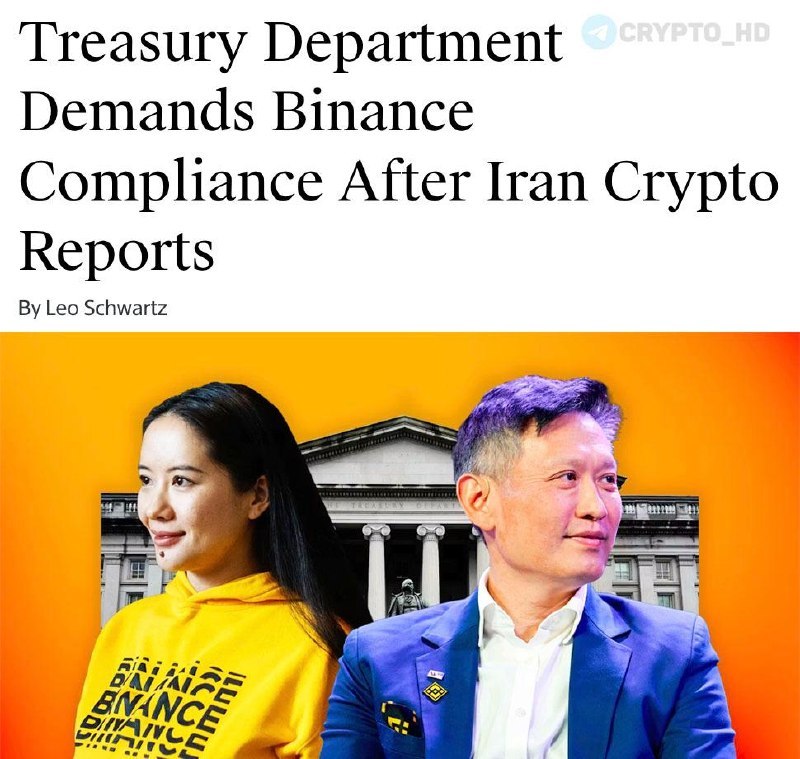
The Information reported this week that Binance has reduced its cooperation with US law enforcement. Rachel Jones, the DOJ’s Special Counsel for Digital Currencies, told crypto prosecutors in early June that they should expect “less cooperation” from Binance in future investigations. Blunt wording. Binance is still the world’s largest crypto exchange, but its US position has been battered by lawsuits, investigations, and steady scrutiny. Most exchange stories get framed as compliance clean-up. That’s only half right. This looks more like a relationship problem becoming visible.
This adds to the regulation pressure hanging over crypto. For months, US regulators, especially the SEC and CFTC, have targeted exchanges and staking services. Binance has already been sued by both agencies over claims that it offered unregistered securities and operated an illegal exchange. The pullback may be deliberate. Binance may think the requests are too broad, or it may be trying to reduce legal risk. Probably some of both. Why does this matter? Because enforcement in crypto often depends on what exchanges choose to share before a case ever becomes public. Traders are likely to watch exchange tokens first. BNB, Binance’s native token, has reacted hard to this kind of news before. In early June, after the SEC filed its lawsuit, BNB fell as much as 15% within 48 hours. This report is not the same event. Still, it gives the market another reason to treat BNB carefully. One headline can move it. A second one can move it faster.
The move could also affect the macro flow of money into crypto, especially from institutions. US institutions were already cautious because the rules are still unclear. If a major exchange appears openly at odds with US authorities, that caution gets easier to defend in an investment committee. I’ll be honest: I would not hang the whole market on one Binance memo. But it matters. Bitcoin often reflects institutional appetite, and during heavier regulatory periods it has struggled near major levels. In mid-May, for example, BTC tested the $61.4K area before pulling back. If large exchanges seem less willing to work with regulators, some institutions may wait instead of adding exposure. Counter to the usual advice, the risk here is not just “more enforcement.” It is that global exchanges start choosing friendlier jurisdictions while US access gets more complicated.
What this means
Binance’s decision points to a wider split between major crypto exchanges and US regulators. The old bargain was simple: cooperate, settle, keep operating. That may be shifting. Exchanges seem more willing to push back when they think regulators are asking for too much. Yes, this sounds like it contradicts the usual “regulation brings maturity” line. Bear with me. Regulation can bring maturity, but only when both sides believe the process is predictable. If they do not, trading activity can drift to countries with clearer rules or lighter enforcement. For traders, the immediate issue is volatility. BNB and other exchange tokens could swing on DOJ comments, Binance responses, court filings, regulatory deadlines, or one badly timed executive quote. Is this overkill? For BNB exposure, no. It also raises an uncomfortable question: how long can global exchanges serve US customers if they are not fully in step with US rules?
Investors should watch for new statements from the DOJ or Binance about the pullback. BNB price action matters too, especially around obvious support and resistance levels, because it is one of the quickest ways to see how the market is pricing regulatory risk. Watch the calendar. US crypto legislation is worth tracking as well. Clearer rules could reduce some of this tension, although Washington has not moved quickly on crypto. The next real signal will probably come from public comments by US officials or Binance executives. Or from court dates and regulatory deadlines that force both sides to say more than they would like.