















































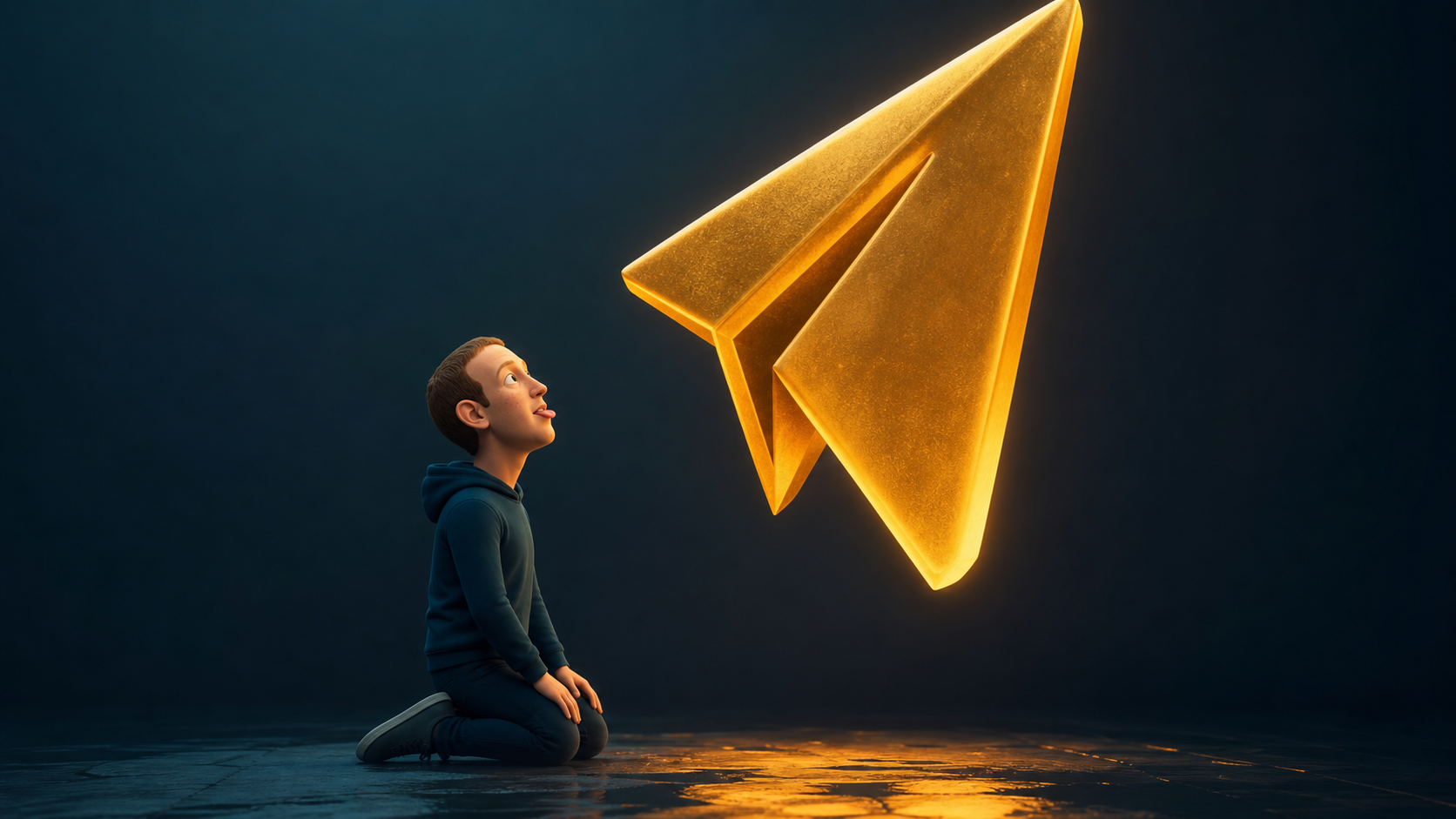
durov trolls zuckerberg telegram meta as crypto watches platform power
Telegram’s official Twitter account posted an image of Meta founder Mark Zuckerberg on his knees with his tongue out, asking whether he could be bought in the metaverse. Crude? Yes. Subtle? Not even close. My take: that is exactly why it traveled. Crypto traders rarely need subtle; they need a fast object to trade around. A Telegram-versus-Meta fight can yank attention toward BTC, ETH, TON, and wallet trades before anyone has time to decide whether the joke is stupid.
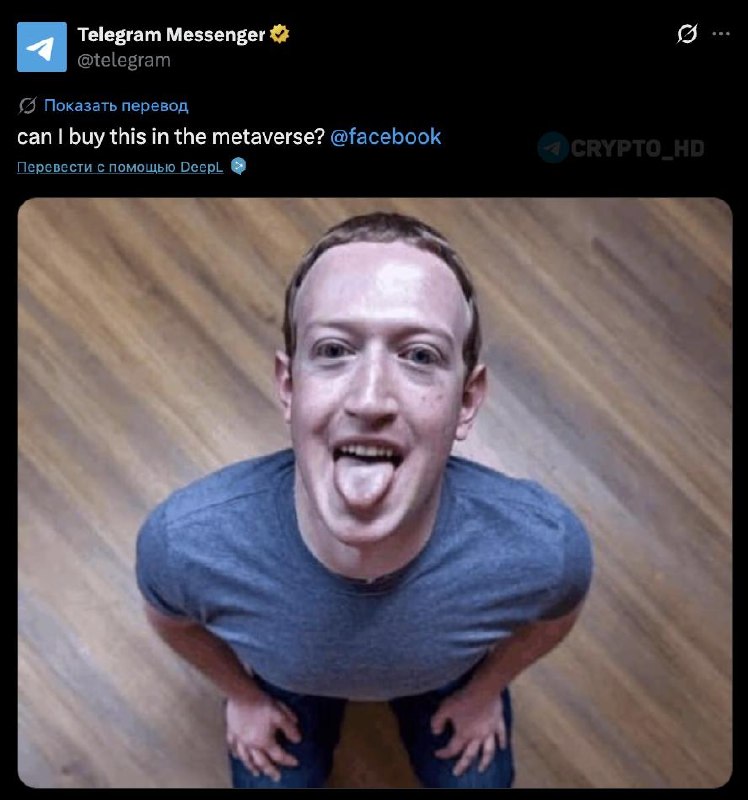
The post reads like a Telegram jab at Zuckerberg and Meta. Simple read. The companies in view are Telegram and Meta, which owns Facebook, WhatsApp, Instagram, and a lot of the social internet’s plumbing. It also points back to Durov’s earlier criticism of WhatsApp. Most guides would frame this as founder drama. That’s only half right. The useful tension is user trust: who gets to own the inbox, the identity layer, and the payment path. The meme is just the cheap wrapper.
Crypto markets have treated distribution like a hard asset through the 2020-2026 cycle. I think that view is mostly right, though not in the clean way people pretend. BTC and ETH still trade like macro risk assets on plenty of days, but apps with hundreds of millions of users can turn a single attention spike into wallet installs, NFT clicks, stablecoin transfers, or token bets. Why does this matter? Because Telegram versus Meta is not the same as a random founder swipe. Traders remember October 28, 2021, when Facebook rebranded to Meta and metaverse tokens suddenly had a fresh story.
The adoption angle is the simplest read. If Telegram keeps presenting itself as the anti-WhatsApp, anti-Meta messaging layer, crypto investors will watch whether that attention spills into Telegram-linked ecosystems and payment rails. TON is the obvious ticker. BTC and ETH are the broader liquidity checks. I’ll be honest: the Twitter post does not change fundamentals on day one. Come on. But crypto can turn one platform story into speculative flow within 24 to 72 hours, especially when the ticker map is already sitting there.
Regulation is the second angle, and it cuts both ways. Meta’s crypto record still has the shadow of Libra, announced in June 2019 and later reworked under heavy political pressure before the project faded. Traders remember that. Counter to the usual advice, a giant platform entering crypto is not automatically bullish. Big consumer platforms draw regulators faster than smaller crypto native apps. If Meta pushes harder into wallets, payments, or metaverse assets again, COIN, ETH, and BTC would probably trade the headline through U.S. oversight, custody rules, and exchange access.
Macro flow sits under this story, even when nobody wants to talk about it. In a risk-on tape, investors chase platform stories and social tokens. They chase gaming assets too. Layer 1 beta gets dragged along. When rate fears come back, the same money often runs toward BTC dominance, cash, or stablecoins. The context can flip quickly. During the January 2020 Soleimani shock, BTC gained about 8% in a short window, which fed the safe haven argument for some traders. In the 2022 rate hike cycle, though, BTC and ETH often behaved more like high beta tech than gold. We have seen this movie.
Worth saying plainly: the source has no market price, no official Telegram token announcement, and no direct quote from Pavel Durov. So the claim has limits. Skip the victory lap. The useful read is narrower. Telegram is using Meta’s metaverse identity as a punchline, and that keeps privacy, messaging control, and digital ownership in the same conversation crypto already cares about.
For traders, the question is not whether Zuckerberg fires back on Twitter. It is whether this becomes a pattern. If Telegram keeps needling Meta and Durov keeps going after WhatsApp, desks will watch TON liquidity and BTC dominance first. ETH gas activity matters. COIN sentiment matters too. Is this overkill? For one meme, maybe. For a platform fight that lasts a few days, no. One post is noise. A few days of platform fighting can become a basket.
What this means
This shows why consumer tech rivalry still matters in crypto in 2026. Maybe more than people admit. Telegram and Meta both sit close to digital identity, payments, communities, and content distribution. Yes, this slightly contradicts the “one post is noise” point above; bear with me. The post itself is small, but the surface area behind it is not. That puts BTC in the role of broad risk gauge, ETH as the settlement layer proxy, and TON as the Telegram-linked ticker most traders will check first. Price matters, but volume matters too. Watch whether TON volume expands against BTC and ETH in the 24 to 72 hours after the Telegram Twitter post.
The next macro checkpoint is the U.S. FOMC decision on June 17, 2026. Liquidity will decide whether traders chase this platform narrative or drop it once the joke gets stale. My read: this is where the meme either becomes a trade or dies as a screenshot. Watch CME BTC futures positioning into the next weekly close, plus BTC’s nearest major technical level on your own exchange feed. If BTC holds up while TON beats ETH, the market is treating Telegram’s jab as adoption beta. If BTC dominance rises and alt liquidity dries up, this stays what it started as: Durov, Zuckerberg, Telegram, Meta, and one sharp meme with limited trade follow-through.