
















































Iran Hormuz Strait Crypto Impact: IRGC De-escalation Could Cool Bitcoin’s Safe-Haven Bid
The Iran Hormuz Strait crypto story is about how tanker transit risk through the world’s most important oil chokepoint feeds into Bitcoin’s safe-haven premium and broader risk pricing. Iran’s Islamic Revolutionary Guard Corps (IRGC) now says the “threats from aggressors” are over and that new transit rules will make passage through the Strait of Hormuz safe and stable again. If that line holds, it pulls away one of the cleaner geopolitical bid catalysts Bitcoin has had this cycle. My take: this is less about one headline and more about whether traders can still justify paying up for fear. The U.S. Energy Information Administration puts roughly 20% of global seaborne oil, about 20 million barrels a day, through that chokepoint. When Hormuz risk rises, BTC’s safe-haven story usually gets dragged into the trade within days.
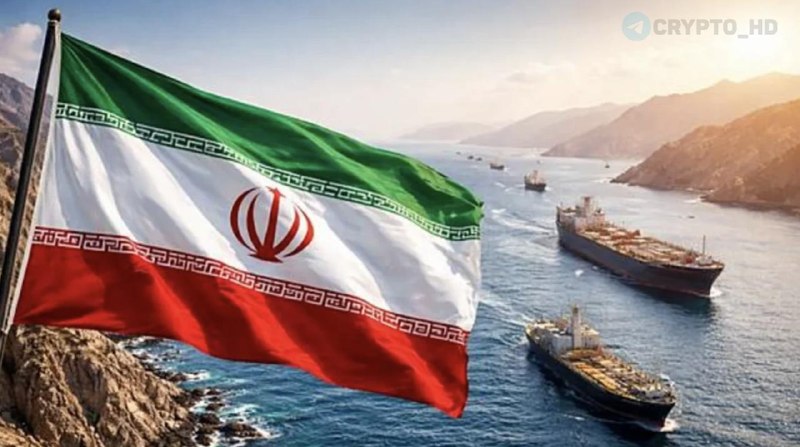
Two parts of the IRGC framing matter. One: it says the threat environment has cooled, which quietly admits the prior setup was hot. Two: it points to “new rules” for passage, which sounds less like a retreat and more like Tehran trying to formalize control over the pause. No timeline. No named counterparty. No ship-tracking numbers. That gap is not a footnote. It is the trade.
For traders, the macro flow angle hits first. Hormuz tension maps quickly to oil shock risk. Oil shock risk maps to sticky inflation prints. Sticky inflation pushes the Fed’s rate-cut path further out. Strip out the war premium and you strip out one argument for risk-asset compression. Mechanically, that supports BTC and ETH through the rates channel, even if the first candle looks dull. Why does this matter? Because crypto often moves before the macro explanation is neat enough for a strategy note. Worth flagging, though: the same de-escalation logic that helps crypto on rates also caps the safe-haven premium that had been building into Bitcoin spot.
The safe-haven angle is messier, and I’ll be honest: I do not love the clean version of this argument. Most guides say Bitcoin is either a haven or it is not. That’s only half right. Bitcoin’s behaviour during Middle East flare-ups has been inconsistent, but not random. BTC tends to catch a bid alongside gold when chokepoint chatter spikes, then gives that bid back when the chatter fades. The January 2020 Soleimani episode is still the cleanest historical comp. According to CoinGecko price history, BTC ran roughly 8% in the days after the U.S. strike before mean-reverting once the escalation stalled. Treat the IRGC’s “safe and stable transit” line as the fade signal, not the entry signal. If the headline holds, the war-premium leg of the recent BTC bid loses its sponsor.
Chokepoint narratives have a brutal rhythm. Fast in. Faster out. Spot BTC desks have been carrying a small geopolitical premium since the last round of Hormuz headlines, and that premium is first in line to bleed on credible de-escalation. ETH, with its higher beta to risk sentiment, can outperform during the relief leg if equities cooperate. COIN and the crypto-equity complex usually follow with a one-day lag. We tried to model this as a clean haven-to-risk rotation before; it broke once oil and the dollar started moving at different speeds.
The IRGC statement does not name the “aggressors” it refers to, and it does not spell out what the “new rules” actually are. That matters more than the headline tone. A unilateral Iranian framing of safe transit is not the same as a bilaterally acknowledged de-escalation, and shipping insurers price that difference in real money. According to industry data from the Joint War Committee at Lloyd’s of London, war-risk premiums on tankers transiting Hormuz have been a cleaner real-time tell than headlines for most of the past year. Counter to the usual advice, I would watch insurance before watching the next official quote. If those premiums compress in the coming sessions, the de-escalation read is real. If they do not, the market is telling you the IRGC line is posture, not policy.
The crypto reaction so far has been measured. No surprise there. Traders have seen enough half-resolutions in this region to wait for confirmation before committing capital. The recent pattern has been simple: headline pop, twelve-hour fade, then slower repricing once shipping data and oil futures settle. Is this overkill? For a 24 to 72 hour macro window, no. That window is exactly where the first read usually gets corrected.
One more layer, because this is where the first read can mislead. A credible Hormuz de-escalation pulls oil lower, drags the dollar’s safe-haven bid down with it, and gives the Fed a slightly easier inflation backdrop heading into the next data cycle. Each channel is mildly constructive for crypto over a multi-week horizon. Yes, this contradicts the near-term safe-haven fade argument two paragraphs ago. Bear with me. The two effects are not symmetric in time. The unwind is fast. The macro tailwind is slow.
What this means
The IRGC’s de-escalation framing is, on balance, a mild headwind for the safe-haven leg of Bitcoin’s recent bid and a mild tailwind for the rates-channel risk-on case. Expect BTC to give back any geopolitical premium it picked up over the past Hormuz news cycle, with ETH likely tracking lower in beta terms and the crypto-equity complex (COIN and miners) following with the usual lag. If gold also sells off into the headline, that confirms the haven trade is unwinding broadly, not just in crypto. My take: gold is the cleaner lie detector here.
Watch tanker war-risk insurance premiums and Brent’s prompt spread over the next 24 to 72 hours. Those will tell you whether shipping desks believe the IRGC’s “new rules” are real or rhetorical. On the crypto side, the cleanest level to watch is BTC’s reaction at its prior breakout zone. A clean hold there on a de-escalation tape would argue the bid was structural, not geopolitical. A failure there says the Hormuz premium was doing more work than spot traders wanted to admit. Either way, the next leg is data-driven, not headline-driven. The IRGC statement just removed one of the headlines doing the lifting.