















































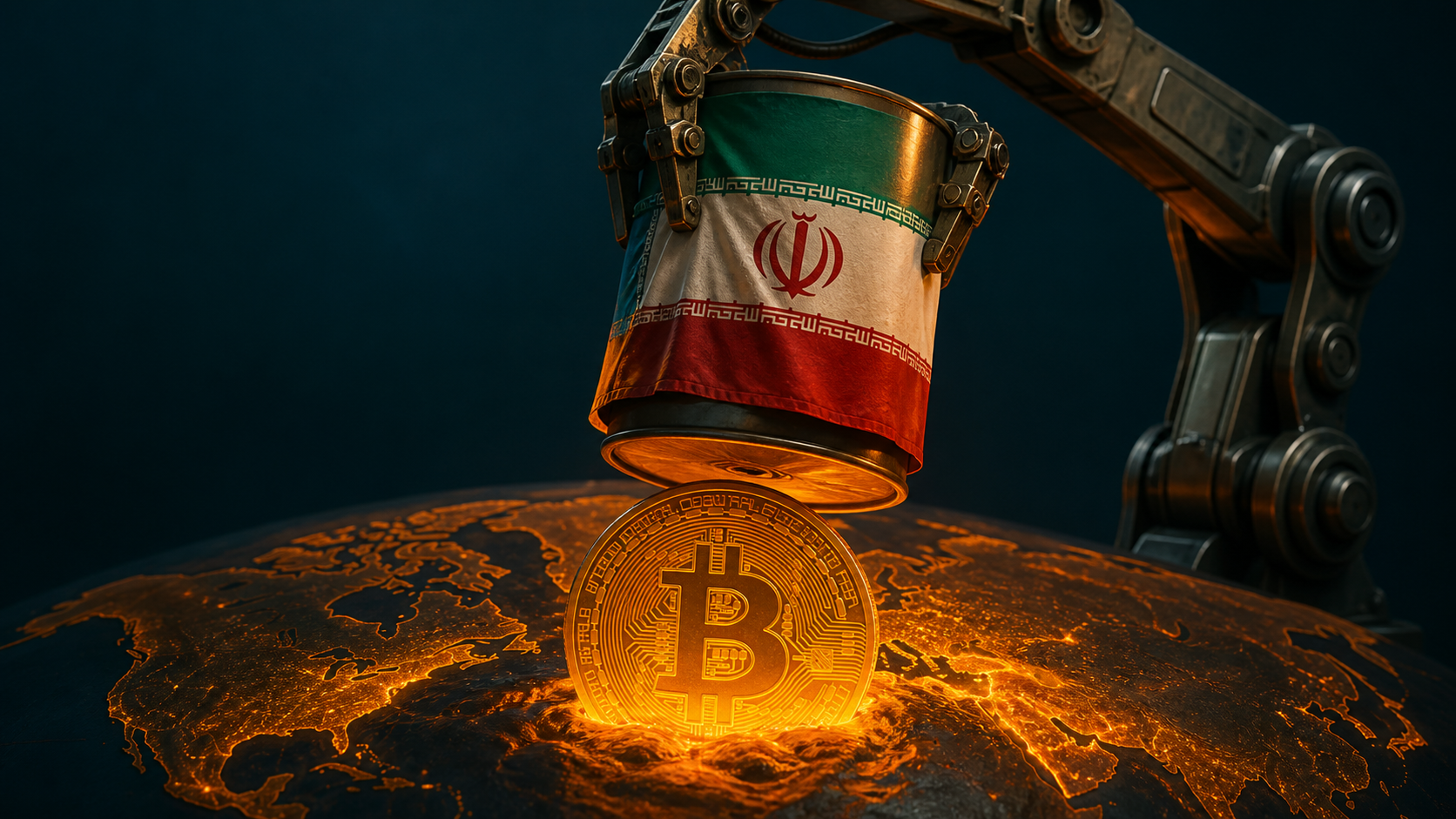
US Iran sanctions oil Bitcoin trade faces new test
The “US Iran sanctions oil Bitcoin” trade is the market’s shorthand for one awkward question: if US sanctions on Iranian oil soften, does Bitcoin lose a fear bid or gain from calmer macro conditions?
The United States has agreed to suspend sanctions on Iranian oil during negotiations with Iran, Tasnim reported. That puts the us iran sanctions oil bitcoin trade back in play. The Iranian proposal has 14 points, mostly about ending hostilities and rebuilding a little trust between the two sides. My take: for crypto traders on May 18, 2026, this is not a neat bullish-or-bearish headline. It asks something blunter: does lower oil risk help BTC as a risk asset, or does it remove part of the crisis hedge bid?
The source post is narrow. Very narrow. It names the United States, Iran, Iranian oil sanctions, negotiations, and a 14-point conflict settlement proposal. It also mentions earlier market talk about “Bitcoin insurance” and the risk of fresh strikes on Iran, but it does not say strikes have started again. That distinction matters. This is a sanctions and negotiation headline first, not evidence of new military escalation.
Oil sanctions are not just an energy story. They bleed into inflation expectations, rate cut pricing, and dollar liquidity; that is usually when BTC and ETH start caring. We have seen this setup before. When Iran related tension hit crypto on April 13, 2024, BTC fell about 7% in less than an hour, while ETH dropped about 9% toward roughly $3,000. I’ll be honest: that was not “digital gold” behavior. That was a thin weekend market dumping risk because liquidity underneath it was poor.
If the sanctions pause holds, the macro read gets cleaner. A temporary break on Iranian oil can reduce the oil shock risk that pushes inflation higher and keeps central banks cautious. For BTC, the headline could support risk appetite if traders see less geopolitical stress and softer energy pressure. ETH is in the same current, though I would treat it even more like a high beta liquidity trade than a store of value. Why does this matter? Because the first crypto reaction may have less to do with Tehran than with real yields, the dollar, and whether funds are willing to rotate back into risk.
The safe haven argument cuts the other way. BTC bulls still argue that sanctions, war risk, political uncertainty, and payment pressure strengthen the case for a neutral settlement asset. There is some history there. After the January 3, 2020 Soleimani strike, BTC rose from about $7,355.55 on January 3, 2020 to about $8,176.81 on January 7, 2020, up roughly 11%. Counter to the usual advice, I would not lean too hard on that example. In April 2024, Iran-Israel stress sparked a crypto selloff instead of a clean haven bid.
So the lazy “war equals Bitcoin up” trade is not enough in 2026. The path matters. Yes, this contradicts the clean safe-haven pitch; bear with me. If the sanctions pause lowers oil risk and helps liquidity, BTC could trade like a risk asset and rise with tech. If talks break down and the market starts pricing fresh strikes on Iran, BTC may first trade like collateral in a crowded leveraged market, especially if perp funding is stretched or liquidations are stacked near obvious round numbers.
What this means
The US-Iran negotiations matter for crypto because they can shift oil risk and inflation expectations. They also change how traders price BTC versus ETH.
Based on the Tasnim-reported post, Middle East risk is moving from a shock headline into a sanctions and negotiation channel, at least for now. For BTC, the “Bitcoin insurance” story gets a real test. Can BTC stay bid when the oil risk premium cools? Or was the bid mostly fear? My read is that the main ticker is BTC, with ETH as the higher beta read-through. Traders should watch whether BTC reclaims or loses the nearest major technical level on their desk, especially around prior liquidation clusters and the $60,000 psychological zone that mattered during the April 2024 Iran-Israel selloff.
Watch the dated catalysts, not just the loudest headline. The June 17-18, 2026 FOMC meeting is the next macro checkpoint if oil sanctions relief changes inflation expectations. CME BTC futures open interest and funding rates should show whether this turns into a leveraged chase or a real allocation move. Is this overkill? For a headline tied to oil, rates, and forced crypto positioning, no. If talks around the 14-point Iranian proposal hold, BTC may trade more on rates and liquidity. If strike risk comes back, I would watch the old stress zone near $60,000 first, where crypto already showed in 2024 that geopolitics can still trigger fast selling.