
















































Warsh heads to Congress as Fed pressure builds and crypto gets jumpy
Kevin Warsh goes before Congress this week for the first time as Federal Reserve chair. Crypto traders should not treat this as another routine Fed appearance. Inflation is still too hot, rate hike odds are moving up, and Bitcoin’s recent gains could disappear fast if markets decide the Fed is ready to tighten again. My take: this is the kind of week where one careful sentence can move more than a full policy statement.
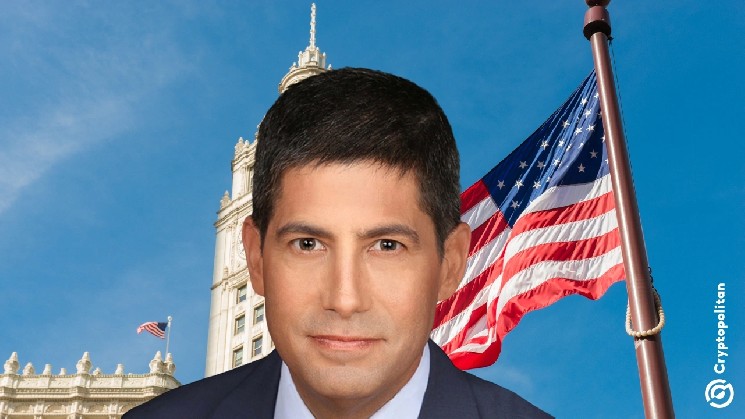
Warsh has kept quiet through his first month. That changes Tuesday at 10 a.m. in Washington, when he appears before the House Financial Services Committee after the June consumer inflation report. On Wednesday, he goes before a Senate panel after producer price data is released. Lawmakers want answers. The Atlanta Fed Market Probability Tracker now puts the chance of a rate increase by September at 70%. That is hard to ignore. Treasury yields have climbed since January as well, which suggests traders are already bracing for higher borrowing costs. Why does this matter? Because crypto usually reacts before policy changes, not after.
The new Fed chair has also avoided the usual forward guidance. He recently joked, “I said I’m not going to give forward guidance because we’re meeting in six weeks, but I have an update for you, we’re meeting in four weeks.” Fine line. Not exactly calming. He has also said he wants “a good family fight” behind closed doors. Most Fed watchers say internal disagreement is healthy. That’s only half right. It is healthy inside the room, but outside the room it can make pricing harder, especially when inflation is still the main problem. For crypto investors, it means more uncertainty. And uncertainty usually turns into volatility. When the Fed is clear, markets can at least price the path. Warsh is leaving more room for interpretation, and Bitcoin tends to hate that when rates are involved.
The latest Fed report says inflation is still too high. Energy prices remain a problem because of the Middle East conflict. Tariffs have pushed up the cost of household goods. Demand for chips and data center equipment is adding pressure too. Service prices have climbed, though officials do not expect that part to last. One Fed policy formula points to a federal funds rate above the current 3.5% to 3.75% range, though officials warned against treating the formula like an instruction sheet. Here is the awkward part. Some buyers still treat Bitcoin as an inflation hedge, the digital gold case. But when the Fed hikes hard, the dollar usually strengthens, yields look more attractive, and traders often sell risk. That happened earlier this year when BTC fell below $60,000 during a rate scare. I’ll be honest: the inflation-hedge argument sounds cleaner in a deck than it does on a red trading screen.
June’s Consumer Price Index is expected to show annual inflation at 3.8%, down from 4.2% in May, helped by lower oil prices after a weakened agreement with Iran. Core inflation, which excludes food and energy, is projected at 2.8%, down from 2.9% the month before. Warsh will get pushed on those numbers and what they mean for rates. My guess: he keeps the answers narrow. That keeps the guessing game alive. Minutes from the Fed’s June meeting laid out two paths. If inflation cools, rates could hold or even fall. If price pressure sticks, another hike is still on the table. Crypto traders need to stay nimble. A tougher line from Warsh could drag BTC lower. Even a small softer hint could give the market a bid and help Ethereum (ETH) move back toward its recent highs. Is that too much weight to put on tone? For this market, no.
Rates will not be the only issue. Congress will also ask Warsh about AI and Fed independence. He has created five task forces, including one focused on artificial intelligence, jobs, and productivity. Lawmakers worry that spending on chips, power, and data centers could feed inflation. Warsh has said AI is already affecting demand and that he expects it to affect supply later. Counter to the usual advice, this is not just a tech-sector subplot. Crypto feels it indirectly. More AI infrastructure can put more strain on power markets. Higher energy costs can squeeze mining margins and raise the cost of running some decentralized networks. It is not the whole crypto story. It shows up on the bill.
Lawmakers will also test Warsh on whether the Fed can stay independent, especially after past White House pressure for lower rates. Warsh was blunt last week: “We’ve been an independent central bank for a very long time. We’re going to be an independent central bank at this moment, and you’re going to see no changes on that.” That matters. A Fed that looks politically managed would make policy harder to read, and risk markets already have plenty to worry about. I would not fade that line; independence is boring until markets think it is negotiable.
What this means
Warsh’s first trip to Congress puts the Fed’s inflation problem in plain view. He is signaling patience in public, disagreement in private, and a willingness to tighten if prices do not cool. Yes, this partly contradicts the idea that he is staying quiet. Bear with me: silence is also a signal when September hike odds are at 70%. Crypto is dealing with a rough macro setup. A stronger dollar and higher borrowing costs usually pull money away from speculative assets. Bitcoin’s inflation hedge story could get tested again if traders decide the Fed is getting too aggressive. The $65,000 area is the first level I would watch.
Tuesday and Wednesday matter because Warsh will testify right after the June CPI and producer price reports. A hotter inflation print, or one sharp hawkish comment, could spark selling across crypto. Altcoins such as Ethereum (ETH) would probably take the bigger hit. Watch the CME FedWatch Tool for rate odds. Watch how BTC trades around $61,400. That level has mattered before when macro fear takes over. We have seen this pattern enough: the first move is often messy, and the second move tells you whether traders actually believe the Fed scare.