
















































SEC regulatory updates crypto could reprice disclosure risk for COIN
The SEC’s planned rule rewrite puts sec regulatory updates crypto back at the center of the 2026 policy trade. The agency head said market rules should adapt to new technology instead of staying locked to standards written 80 years ago. Fair enough, but that is not just a nice modernization line. My take: BTC, ETH and COIN now sit inside the same policy reset as disclosure, exchange rules and cryptoasset regulation.
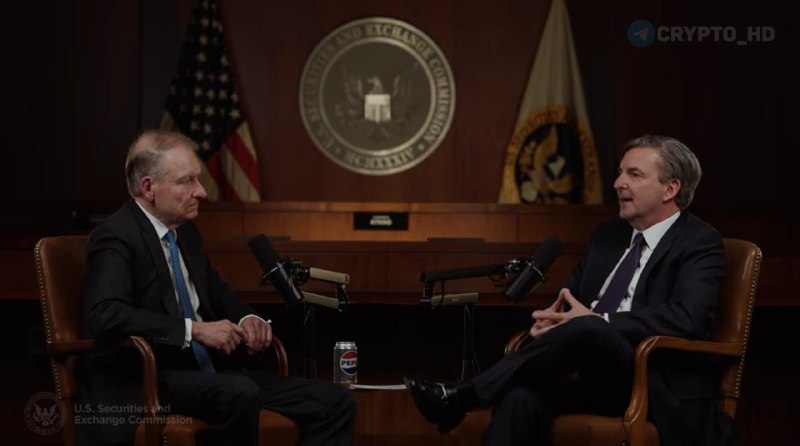
The wire post says the SEC is preparing a large rules update, with more than 22 items in the Regulatory Flexibility Agenda. The list is not narrow: simpler disclosure, cryptoasset regulation, shareholder voting rules, shareholder proposals and a review of climate reporting requirements for companies. The message is blunt. The SEC thinks market plumbing built for another era no longer fits how companies raise money or how assets trade in 2026.
This is not paperwork. For crypto investors, the first read is regulatory pressure. If the SEC simplifies disclosure while rewriting cryptoasset rules in 2026, listed crypto firms such as COIN and public Bitcoin holders will trade on more than revenue, BTC price and ETF flows. They will trade on whether the new rules reduce compliance drag. Why does this matter? Because after the SEC approved spot Bitcoin ETFs on January 10, 2024, BTC became easier for institutions to buy because one major access barrier came down. That is context, not a new source fact.
The second market angle is adoption. According to the post, the SEC wants entrepreneurs and companies to build new business models with less bureaucracy. I’ll be honest: that line matters more in crypto than it would in a normal software sector note. ETH staking, tokenized funds and exchange custody models all depend on whether regulators treat new rails as normal financial infrastructure or as lawsuits waiting to happen. Investors do not need perfect rules. They need rules clear enough to price risk. Big difference.
One of the larger proposed changes is a possible move from quarterly reporting to semiannual reporting for public companies. The source says the format would probably be voluntary. Large companies could keep quarterly reporting, while younger companies and IPO issuers would get more room. Most governance takes say more reporting is always better. That is only half right. The SEC’s view is that small companies can lose too much management time preparing 10-Q filings instead of building the business, and I buy that argument more than usual for growth issuers where every reporting cycle can turn into a mini earnings campaign.
For crypto equities, fewer mandatory reporting cycles cut both ways. COIN investors may like the idea of less administrative burden across public markets. Traders, though, need frequent numbers to price volatile businesses. Crypto revenue can move fast with BTC and ETH trading activity, ETF demand, staking participation and retail volume. Is semiannual reporting overkill? For a volatile crypto-linked equity, maybe not. A six-month reporting rhythm may give founders room to breathe, but it can also widen the information gap between earnings events. Markets usually make you pay for that.
The SEC also wants a “spring cleaning” of Regulation S-K, the basic disclosure rule set. The stated goal is to pull filings back toward information investors actually need, instead of packing reports with extra data. Sounds useful. Still, crypto materiality fights are rarely tidy. If a token, staking product or custody model matters to the business, investors will still expect hard disclosure. A lighter regime does not make the hard questions disappear.
Macro flow sits underneath all of this. BTC and ETH often trade like high-beta risk assets when liquidity expectations take over, especially around Federal Reserve meetings and rate repricing. A lighter SEC disclosure framework would not beat rates, inflation or dollar strength by itself. Counter to the usual policy-bullish read, the bigger effect may be inside the equity wrapper around crypto. If public issuers face less friction, risk capital may move more easily into crypto-linked listings when BTC holds a major level such as $60,000 or ETH holds a major level such as $3,000. Those are market reference levels, not facts from the wire.
There is a safe-haven angle too, though I would not push it too far. BTC’s political narrative gets stronger when investors think old institutions are too slow. It gets weaker when regulators manage to pull new technology into ordinary market rules without causing a mess. During the January 2020 Soleimani shock, BTC gained 8% in an example often cited by market commentators, while gold also drew safe-haven demand. This SEC message is different. It is not crisis talk. It is bureaucratic modernization, which sounds boring. It may still help adoption more than panic hedging.
The source includes no direct quote beyond the summary of the SEC head’s view, so there is no clean quote to build around. No surprise there. The market will care less about the speech and more about the proposal text. “More than 22 initiatives” sounds big, but traders will still separate headline filler from rules that affect token classification, exchange operations, ETF mechanics, staking, custody and public company disclosure. I would not trade the phrase. I would trade the text.
What this means

The event suggests the SEC may be moving away from enforcement-era ambiguity and toward a broader rules rewrite that covers cryptoassets and company disclosure in the same 2026 agenda. For BTC, ETH and COIN, that matters because clearer rules can lower risk premiums. Yes, this slightly contradicts the concern about lighter reporting. Both can be true. Lighter disclosure can reduce the public data investors use to model crypto-linked businesses, while clearer cryptoasset rules can still cut legal uncertainty. Watch COIN around future SEC proposal releases. Watch BTC near $60,000 and ETH near $3,000 as broad risk appetite tests whether policy clarity is being priced.
The next items to watch are the SEC’s Regulatory Flexibility Agenda updates, the wording around cryptoasset regulation and whether the semiannual reporting option stays voluntary for public companies. Traders should also track the next FOMC decision date, CME BTC futures positioning and spot ETF flow data around any SEC rule text. What breaks the bullish case? A lighter but vaguer regime. If the SEC turns its Regulation S-K “spring cleaning” into a lighter but clearer disclosure regime, crypto markets may treat it first as an adoption signal, then as a volatility risk.
FAQ: SEC regulatory updates crypto
- What is the main focus of the SEC’s crypto regulatory updates?
- According to the wire post, the SEC wants market rules to fit newer technology, including cryptoassets, while simplifying company disclosure requirements.
- How might these updates affect publicly traded crypto firms like COIN?
- They could change how investors price disclosure risk for COIN. Simpler disclosure and clearer cryptoasset rules may reduce compliance costs, though traders will still want enough data to model a volatile business.
- What is the proposed change to corporate reporting frequency?
- The SEC is considering a shift from mandatory quarterly reporting to semiannual reporting for public companies. Larger companies would likely be allowed to keep quarterly reporting.
- How does the SEC’s “spring cleaning” of Regulation S-K relate to crypto?
- The review is meant to focus disclosure on information investors need. For crypto, that could mean cleaner reporting, but material token, staking or custody exposure would still need to be spelled out.
- Will these regulatory changes affect BTC and ETH?
- Yes. Clearer rules can lower risk premiums for BTC and ETH, especially if public issuers face less friction. Rates, dollar strength and ETF flows will still matter.