















































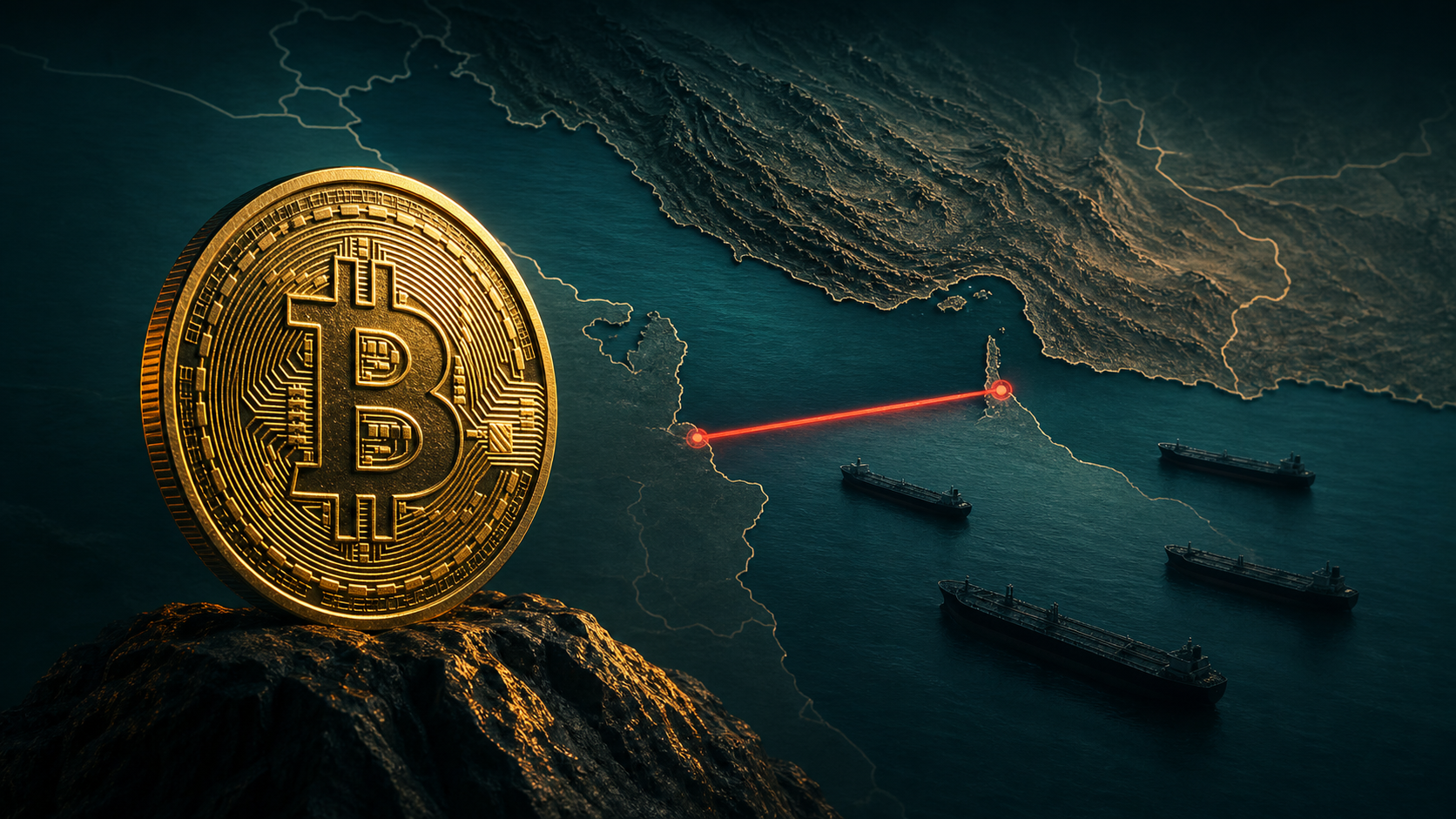
Iranian Blockade, Oil, Crypto Impact: Trump’s Moves Test Bitcoin’s Safe Haven Narrative
The U.S. Navy says its maritime blockade will cover Iran’s entire coastline starting July 14 at 23:00 MSK (20:00 GMT). That is not background noise. It puts oil and shipping under pressure, with Bitcoin dragged into the same trade. In earlier Middle East shocks, BTC gained about 4-7% within 72 hours. My take: that stat is useful, but it can also make traders lazy. This case is harder to read because the blockade covers Iranian ports and oil terminals, not just a headline traders can fade by Monday. Crypto desks are watching the news cycle, yes, but they are also waiting for a cleaner signal: disruption showing up in prices.
Under the U.S. Navy plan, all vessels, regardless of flag, would be blocked from Iranian ports, oil terminals, and coastal areas. The start time is July 14, 23:00 MSK (20:00 GMT). Neutral ships can still pass through the Strait of Hormuz if their route is not connected to Iran. That exception matters. It also has limits. Oil markets do not need much help getting nervous, and this gives them plenty to work with. Iranian media says Tehran may withdraw from its memorandum of understanding with the U.S., which would make the diplomatic freeze worse. The UN has said it sees no legal basis for the 20% Strait of Hormuz transit fee previously proposed by Donald Trump. Iran’s Foreign Ministry, meanwhile, keeps pointing to Iran’s long claimed role as protector of the Strait of Hormuz, one of the main routes for global oil shipments. Yemen has also launched a third missile wave at Saudi Arabia. The New York Times confirmed that Trump has notified Congress of renewed U.S. strikes on Iran. Trump is expected to address the nation on Friday, July 17, at 04:00 MSK.
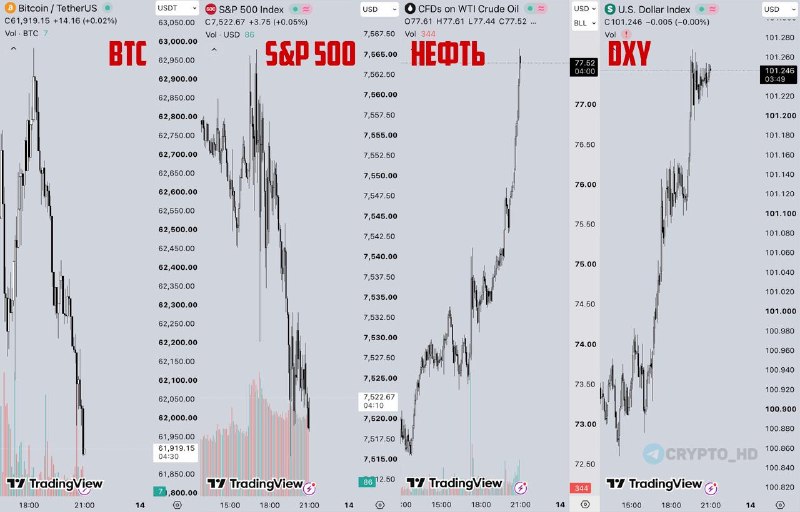
When geopolitical risk spikes, money moves. Investors cut stock exposure, buy gold, hold dollars, or rotate in uneven chunks instead of making one clean macro bet. Bitcoin wants a place in that conversation, though I’ll be honest: the case still feels patchy. After the January 2020 Soleimani strike, BTC rose 8% within 72 hours, which gave the digital gold crowd a neat example to repeat. Most guides stop there. That’s only half right. This setup is heavier: a full maritime blockade, renewed U.S. strikes, and a direct threat to oil flows. Traders will compare BTC with the S&P 500 and DXY, the dollar index, to see whether this is actual safety buying or another quick crypto squeeze. Why does this matter? Because a clean hold above $61.4K would suggest buyers are taking the safe haven trade seriously, not just chasing volatility.
Bitcoin’s safe haven pitch is getting a real test now, according to market analysts. The U.S. Navy blockade and renewed strikes could disrupt oil supply, and oil was already jumpy before this. Sharp oil moves can push investors toward alternative assets, but the link is not automatic. People tend to oversell that part. For crypto traders, the question is blunt: can BTC hold its recent gains while stocks wobble and oil climbs? Gold has history on its side. Bitcoin does not. DXY matters too. If the dollar runs higher, BTC could struggle. Counter to the usual advice, BTC does not need to rally immediately to keep the safe haven argument alive; it needs to avoid looking like leveraged tech with a ticker. If investors treat the crisis as a broader systemic shock, BTC may start trading on its own terms. This is also bigger than a short exchange of strikes. A full blockade can hit trade, insurance, freight costs, energy pricing, and settlement risk at once. Is this overkill for one crypto chart? No, because those second-order costs are exactly where macro stress turns sticky. That could keep Bitcoin’s safety bid alive longer than usual, especially if equities start to break down.
What this means
The Iranian blockade moves this from regional tension into a problem global markets have to price. For crypto, Bitcoin’s safe haven claim is no longer just a line on a chart. It has to hold up while the tape is moving. BTC could split from traditional risk assets like the S&P 500 if the crisis deepens, but that is not guaranteed. My bias here is cautious: oil is the first place to watch, not crypto Twitter’s fastest chart. If prices stay high, broader market stress usually follows, and BTC will get more attention. Expect ugly candles. That’s the easy part.
Next, watch Trump’s address on Friday, July 17, at 04:00 MSK. It should tell traders whether Washington wants room to de-escalate or is preparing for more strikes. For Bitcoin, $61.4K matters. Holding above it would keep the safe haven argument alive. Losing it would make the move look more like reflex buying than conviction. Yes, this slightly contradicts the neat digital gold story, but that story was always too clean. The S&P 500, oil, and DXY will fill in the rest: where fear is moving, where cash is hiding, whether Bitcoin is being treated like protection, and whether the market still sees it as just another risk asset with better branding.