















































Solo Miner Wins Bitcoin Lottery, Beating 16,000-Year Odds
People call it the “Bitcoin lottery” when a solo miner finds a Bitcoin block without help from a big mining pool. It almost never happens. This time, an anonymous miner using a small Bitaxe ASIC device won 3.13 BTC, worth about $200,000 at the time. For a miner running around 1 TH/s, the math says they should find a block roughly once every 16,000 years. Ridiculous odds. My take: that is exactly why the story travels. Bitcoin mining is mostly an industrial business now, but every so often the network still throws a strange prize at someone running tiny hardware.
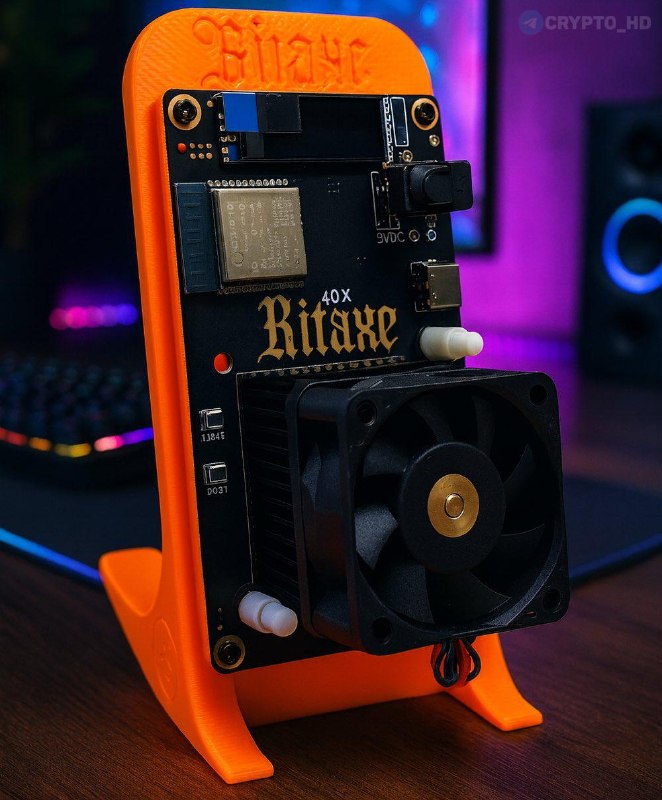
The miner used a Bitaxe ASIC, a low power device made for small scale Bitcoin mining. Based on mining difficulty estimates, a 1 TH/s miner should expect to find a block only about once every 16,000 years. Does that mean it cannot happen tomorrow? No. It means planning around it would be reckless. Most guides frame solo mining as pointless now. That is only half right. As an expected-return strategy, sure, it is brutal. As a reminder of how open Bitcoin still is, this hit does the job.
The win does not change the Bitcoin market on its own. Still, retail Bitcoin fans will probably tell this story for years. BlackRock, Fidelity, and other large firms brought spot Bitcoin ETFs into the mainstream in 2024, drawing in billions of dollars and helping BTC reach $73,750 on March 14, 2024. That institutional money helped move Bitcoin from about $42,000 in January 2024 to more than $70,000 in March, along with rate cut hopes and ETF inflows. This solo block sits at the other end of the same Bitcoin story. One person. One small machine. One absurdly lucky hit.
The safe haven angle is loose, but it is there. Bitcoin often gets pitched as “digital gold” when markets get shaky or politics turn ugly. I’ll be honest: this miner did not win because of a crisis, and the block was not a market signal. Still, there is something very Bitcoin about one person, outside the traditional finance system, ending up with 3.13 BTC. In early April 2024, the S&P 500 dipped about 2% as inflation worries returned, and Bitcoin drew attention again from traders looking for alternatives. Yes, that sounds like I am tying a lucky mining event to macro sentiment. I am not. It is not a price driver. But as Bitcoin folklore, it lands cleanly with the self custody and open network pitch that has kept people interested for more than a decade.
What this means
This solo mining win is a statistical fluke, not a new market trend. Still, it shows why Bitcoin’s permissionless setup keeps people hooked. Mining has become expensive, loud, and dominated by large operators, but the protocol still lets anyone try. Most people will lose money doing it. That part matters. Skip the romance. Someone with a small device just won about $200,000 in BTC, and people remember stories like that.
For investors, ETF flows matter far more than one lucky miner. Watch daily net flows into spot Bitcoin ETFs, especially BlackRock’s IBIT and Fidelity’s FBTC. Why does this matter? Because steady inflows could help BTC challenge its March 14, 2024 high of $73,750 again. Heavy outflows, or a clear drop in institutional demand, could pull BTC back toward support near $60,000. The June 12, 2024 FOMC meeting also mattered for risk assets. Counter to the usual advice, the miner’s jackpot is not the thing to watch here. A more hawkish Fed can pressure crypto fast, especially BTC and ETH, because traders tend to cut risk when rate expectations move against them.
FAQ
Q: What is a solo miner?
A solo miner mines Bitcoin independently instead of joining a mining pool. They compete against the rest of the network to find a block.
Q: How rare is it for a solo miner to win the Bitcoin lottery?
Very rare. For a miner with about 1 TH/s of hashing power, mining difficulty estimates put the chance at roughly one block every 16,000 years.
Q: What is a Bitaxe ASIC device?
A Bitaxe ASIC is a small, low power Bitcoin mining device. It has very little hashing power compared with industrial mining rigs.
Q: How much Bitcoin did the solo miner win?
The miner won 3.13 BTC, worth about $200,000 at the time of the block.
Q: Does this event impact Bitcoin’s price?
No, not directly. One solo miner finding a block does not move the market in the short term. It is more a story about Bitcoin’s open mining design.
Q: What are Bitcoin ETFs?
Bitcoin ETFs, or exchange traded funds, let investors get exposure to Bitcoin’s price without holding the coin themselves. Spot Bitcoin ETFs became a major source of institutional demand in 2024.
Q: Why does institutional adoption matter for Bitcoin?
Institutional adoption can bring large amounts of capital into Bitcoin. ETF inflows, especially when they continue over time, can increase demand and affect price.
Q: What is the “safe-haven” narrative for Bitcoin?
The “safe-haven” narrative says Bitcoin can work as a store of value during inflation, economic stress, or geopolitical instability. Supporters point to its fixed supply and decentralized network. Critics still question whether it reliably behaves like a haven when markets sell off.
Q: What is the upcoming halving event?
The Bitcoin halving is a programmed event that cuts the mining reward in half about every four years. It limits new supply and has often come before major price runs, though it does not guarantee one.
Q: What is the FOMC meeting?
The FOMC, or Federal Open Market Committee, is the part of the U.S. Federal Reserve that sets interest rate policy. Its decisions can move risk assets, including cryptocurrencies.