
















































Clarity Act returns: crypto regulation pressure builds before July vote
The Digital Asset Market Clarity Act is back. Or close enough that markets have to care again. A new draft is expected this week, and the US crypto regulation fight is not quietly fading out.
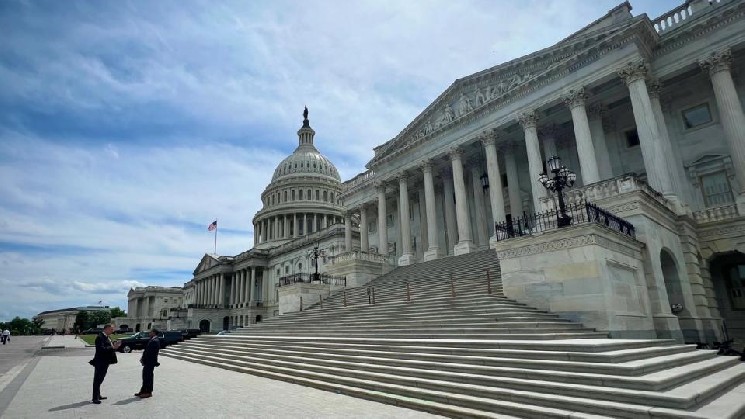
So much for the Clarity Act being dead. Most regulation stories get filed away as Washington noise. That is only half right here. A fresh draft could matter for crypto market structure and exchange-listed tokens, but also for investor mood, which is usually where these things show up first. My take: the industry is not waiting for perfect rules. It is waiting for Washington to say which assets belong under which regulator.
Crypto is not out of this yet. People familiar with the Clarity Act talks told CoinDesk last Thursday that lawmakers plan to release an updated version of the crypto market structure bill this week. The new text combines bills that already cleared the Senate Banking and Agriculture committees, after the two panels argued through the details. Dry process? Yes. Still important.
As this newsletter and CoinDesk’s Jesse Hamilton have said before, the calendar is tight. There is not much time left for the Clarity Act to get through Congress and reach the president’s desk in 2026. A new draft counts as progress only if the big fights are actually settled. If not, this is more pulse check than breakthrough. Why does this matter? Because the bill is tied directly to the regulation pressure over crypto, including how institutions view the market and how major exchanges such as Coinbase (COIN) handle listings.
Last week, CoinDesk reported that people familiar with the negotiations expect the new draft to circulate this week. Sources said the text will merge the Banking and Agriculture Committee versions and add about 70 pages. It will not include an ethics provision as of press time. It also still leaves disputed issues open. Plain English: it is not ready for a vote yet. That matters because Washington still has not agreed on how digital assets should be classified or regulated. Markets notice. Bitcoin (BTC), for example, can move 3% to 5% in a day when headlines hit about regulation, enforcement, or a possible new framework.
The rest is conjecture, so treat it that way. Senate Majority Leader John Thune told Punchbowl News last month that he was willing to put the bill on the floor in July. Rumors point to the week of July 20 or July 27. If a vote is announced, supporters will need at least 60 Senate votes. That means at least seven Democrats, and possibly more if any Republicans vote no or miss it. I’ll be honest: that is a narrow path, not a clean runway. This is part of the macro flow now, whether traders like it or not. Crypto PACs have hundreds of millions of dollars available, and lawmakers know it. I do not think anyone in DC is treating this as a niche industry anymore. Clearer rules could make institutions more comfortable with crypto. Another stall could keep money parked on the sidelines.
Expect Stand With Crypto to say it will score the vote. Expect the industry to talk, loudly, about how much money crypto political action committees have. Stablecoin issuers have something riding on this. So do DeFi projects, exchanges, and token teams. Counter to the usual advice, “more clarity” is not automatically bullish. A workable framework could draw in more institutional money. A clumsy one could make parts of the market harder to run in the US.
What this means
The Clarity Act’s return shows that US crypto regulation is still moving, even after earlier delays. Not solved. Moving.
The bill’s return does not mean the industry has won. It means the push is still alive. Washington seems to understand that digital assets cannot sit in regulatory limbo forever, but lawmakers still do not agree on the fix. For traders, the point is simple: political headlines still matter. Ethereum (ETH), whose classification has been debated for years, could move if the bill draws clearer lines around which assets fall under which agency. Is that overreading one draft? Maybe. But ETH has spent years stuck inside this exact legal argument.
Investors should watch the weeks of July 20 and July 27 for any Senate floor vote announcement. A vote, or a failure to schedule one, would say plenty about where crypto regulation is going. The details matter more than the headline. Yes, that contradicts the usual market habit of trading first and reading later. Bear with me: asset classification and agency jurisdiction will affect exchanges, token issuers, and the legal status of many projects. A cleaner path could help market confidence and maybe give BTC another shot at the $68,000 area. More gridlock would probably leave the market waiting. Again.