














































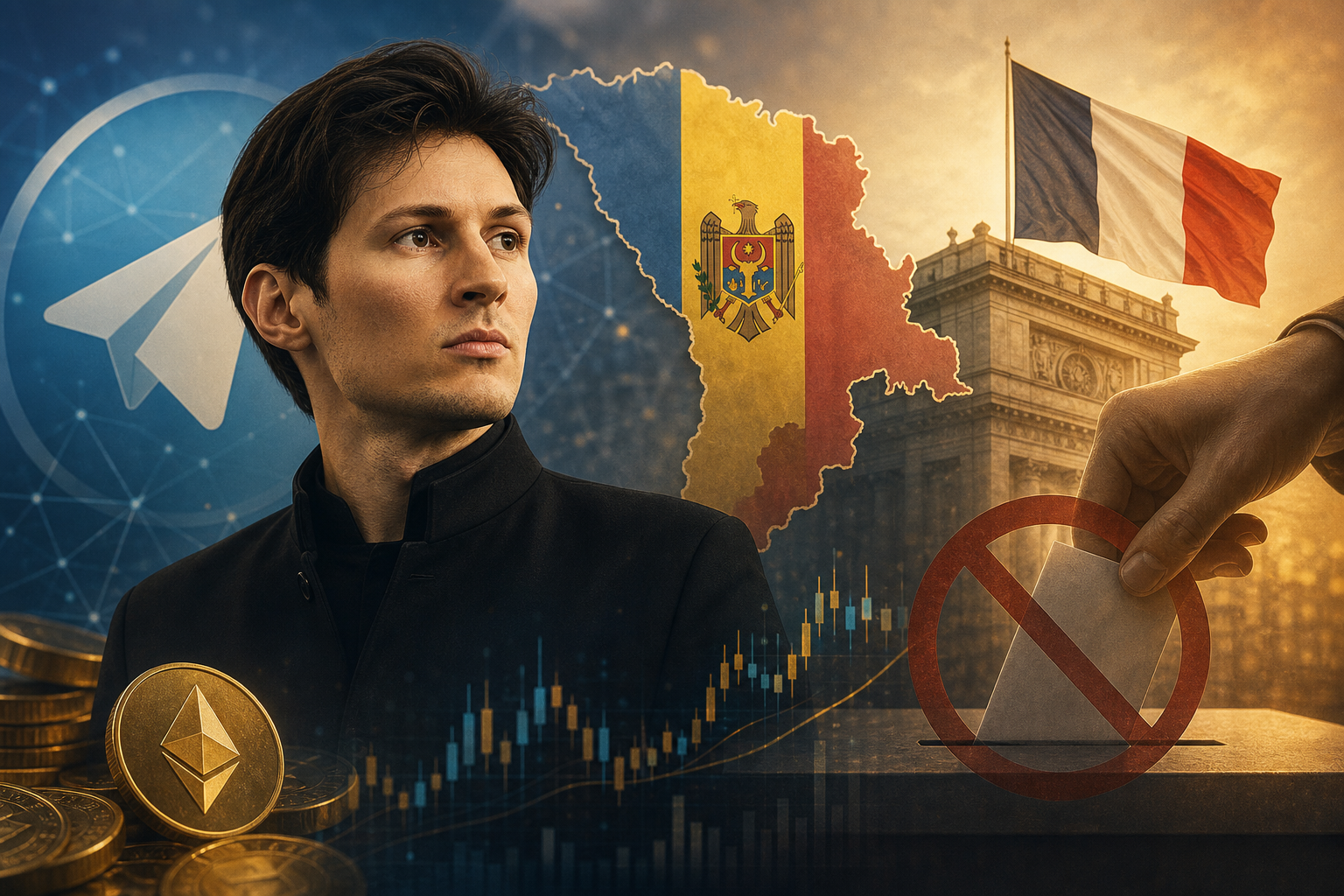
Russia is sending a strong message to France regarding the legal proceedings involving Pavel Durov, the founder of the messaging app Telegram. With dual citizenship in Russia and France, Durov’s detention is seen by Russian officials as a politically charged move rather than a simple law enforcement action. The Russian government is concerned that this case could be used to suppress dissenting voices, adding to a historical context of political persecution in various jurisdictions.
French authorities have charged Durov with managing extremist content on Telegram, a platform known for its emphasis on user privacy and free speech. However, Durov’s legal team disputes these accusations, claiming they are driven by ulterior motives. This case raises important questions about how social media platforms should be regulated, particularly in terms of balancing public safety and safeguarding digital freedoms.
The Kremlin’s response to Durov’s situation demonstrates its commitment to protecting its citizens abroad. Dmitry Peskov, a spokesperson for the Kremlin, has indicated that Russia will closely monitor the developments of the case and is willing to use diplomatic channels to support Durov. The high-profile nature of this case, including Durov’s planned engagement with President Macron, highlights the intersection of politics and law in international contexts.
This situation with Telegram has broader implications for social media regulation. As digital spaces become increasingly important for communication, governments are imposing stricter regulations on tech companies to control content. How Russia and France handle Durov’s situation could establish precedents that impact future regulatory frameworks globally, as countries grapple with the challenges posed by digital platforms in a politically sensitive era.
The ongoing legal battle against Pavel Durov highlights the tensions between national security, political motivations, and the evolving landscape of global digital communication. The outcome of this case will not only shape Durov’s future but also impact the governance of social media and the protection of citizen rights on an international stage. It is a pivotal moment in the intersection of technology and international law, with potential implications for digital governance frameworks worldwide.