
















































Trump’s Iran and Cuba comments test Bitcoin’s safe-haven trade
Donald Trump said the United States may need to strike Iran again. He also said talks with Tehran are underway and that Washington expects an answer in 2-3 days, maybe by the beginning of next week. I’ll be honest: for crypto investors, Trump’s Iran and Cuba comments are not just political theater. One headline can split the market quickly. BTC can catch a defensive bid. ETH can sell off with risk assets. COIN can get squeezed as an exchange stock tied to crypto volume, equity risk, fee expectations and compliance worries. The Cuba comments add another diplomatic issue, but Iran is the one markets will probably price first. Another large strike could move oil, inflation expectations and rate cut pricing within hours.
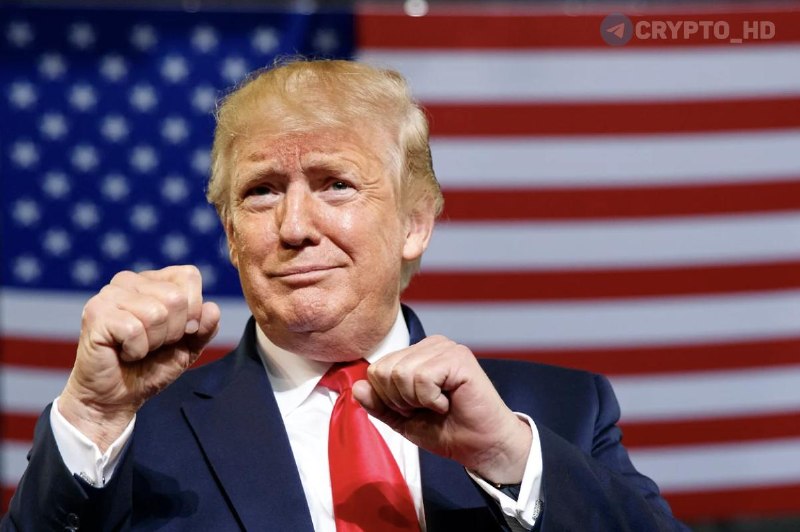
The source is thin. The comments are blunt. On Iran, Trump said, “perhaps we will have to strike Iran again.” He added that he was not sure, and that people would know very soon whether another major strike would be needed. He also said that yesterday he was only one hour away from ordering a strike on Iran. At the same time, Trump said the United States is negotiating with Iran, that Tehran wants a deal, and that Washington will wait only a limited time for an answer: 2-3 days, possibly until the beginning of next week. On Cuba, Trump said the United States would help Cuba and that he thinks a diplomatic agreement is possible. He said he does not yet know whether that means regime change in Cuba.
For crypto, the Iran line is not background noise. It hits the same macro nerve that has moved BTC and ETH through inflation scares since 2020. If traders think conflict with Iran is more likely, the first read is usually oil. Then inflation. Then a tougher path for rate cuts. Why does this matter? Because ETH often trades like high beta tech liquidity, while BTC has a cleaner “hard asset” story when the headline is war, sanctions or political crisis. My take: that story is useful, but only in bursts. One useful comparison, though it is not from the source: after the January 2020 Soleimani strike, BTC gained about 8% during the episode. That does not prove Bitcoin is digital gold. It does show that Middle East stress can make the safe haven story look convincing, at least for a while.
Still, the safe haven trade is not automatic. Most crypto commentary treats BTC as the obvious fear trade. That’s only half right. Gold has the longer record, deeper institutional rails and fewer strange weekend liquidity gaps. Crypto traders know the difference between a story and an actual bid. If Trump’s 2-3 days turn into a countdown to another major strike on Iran, BTC may catch defensive flows first. ETH and COIN can still trade like risk assets if oil volatility pushes rate expectations higher. That split is the point. BTC can look like digital gold for 72 hours while ETH acts like Nasdaq beta. COIN is different again: a listed bet on crypto trading activity, broader equity appetite and exchange-specific risk. In that setup, BTC dominance matters almost as much as the BTC price.
The macro flow channel comes next. Iran risk can lift energy prices. Energy prices can lift inflation expectations. Inflation expectations can change how traders price the Fed. Crypto does not need a fresh SEC headline to fall if real yields jump. BTC, ETH and COIN all respond to dollar liquidity, but not in the same way. BTC has the scarcity pitch. ETH has staking yield and app layer exposure. COIN has equity duration, fee cycle risk, regulation overhang and sensitivity to retail trading volumes. Is this overkill? For a 2-3 day diplomatic window, no. That window is short enough to keep options demand alive and long enough to make leveraged traders sweat before next week.
Trump’s Cuba comments carry less market weight, but they sit in the same political risk bucket. He said the United States would help Cuba, that a diplomatic agreement may be possible, and that he does not yet know whether regime change is involved. That is not a crypto adoption signal. The source gives no crypto policy detail from Cuba, Washington or Tehran. Even so, the message is easy to miss if you only stare at price charts: Trump is talking about sanctions and diplomacy while leaving regime questions open. That combination matters. It can increase interest in assets outside the banking system in some regions, while making exchanges and stablecoin rails more nervous in others.
The cleanest crypto read is BTC versus everything else. Counter to the usual advice, this is not mainly about finding the perfect altcoin rotation. If the Iran track moves from talks to another major strike, BTC gets the first chance to show whether the safe haven story still works in 2026 liquidity conditions. If talks produce a deal within 2-3 days, the trade can unwind just as fast, especially if buyers only wanted BTC for headline protection. ETH may like relief more than fear, because calmer macro conditions usually help risk rotate back into smart contract beta. COIN could get a relief bid too, but only if broader equity appetite holds up.
There is also a regulation pressure angle, even though the source does not mention the SEC, CFTC, ETFs, staking or exchanges. When geopolitical stress rises, regulators and banks often look harder at sanctions exposure, stablecoin flows, exchange compliance and dollar backed settlement paths. We have seen this pattern enough in crypto markets to separate the headline from the plumbing. That matters for COIN, USDT linked market plumbing and dollar backed stablecoin liquidity, even if the original headline is about Iran or Cuba instead of crypto law. The sequence is familiar: political crisis, compliance questions, then a liquidity adjustment. Traders should keep the source facts separate from the market read. The fact is Trump’s 2-3 day window on Iran. The read is that sanctions risk can make exchange liquidity more cautious before any formal rule change appears.
The quote that matters most is not the dramatic one. It is the deadline. Trump said Washington is waiting for Iran’s answer for a limited time, “2-3 days,” possibly until the beginning of next week. For traders, that creates an event window instead of a vague geopolitical backdrop. That changes positioning. Perpetual futures funding, CME open interest, BTC options skew and ETH/BTC rotation can all move before the diplomatic answer arrives. Yes, this sounds like a small wording detail. It is not. The one hour near strike claim also tells markets that the decision path may be fast. Not bureaucratic fast. Actually fast. Fast political decisions plus 24/7 crypto markets can get messy quickly.
What this means
Geopolitical risk is back in the middle of the crypto trade. Trump is talking about another possible strike on Iran, a one hour gap from ordering a strike yesterday, negotiations with Tehran and a 2-3 day answer window. For BTC, the safe haven thesis gets a live test. For ETH, the question is whether beta sells off on oil and rate fears or catches a relief bid if talks hold. For COIN, the question is more awkward: does higher volatility bring enough volume upside, or do risk off equity flows take over? My bias is simple here: watch the split, not just the green or red candle.
Watch the next 2-3 days first. If Trump’s window stretches, watch the beginning of next week too. Keep BTC spot price, ETH/BTC, COIN, CME Bitcoin futures open interest and near dated options skew on screen. What confirms the safe haven version? BTC rising while ETH/BTC falls. If BTC, ETH and COIN all drop together, macro fear is winning. The technical level does not need to be fancy. Use the latest BTC range high and range low on your exchange. During a headline driven Iran window, a break of that range will matter more than a perfect textbook setup.