















































Kevin Warsh Closer to Fed Chairman Seat as Senate Clears Path for Crypto-Sensitive Confirmation
Kevin Warsh is one procedural vote away from the Fed chair. If he gets it, the institution that sets borrowing costs for Bitcoin, ETH, Nasdaq beta, and basically every other risk asset will be run by a documented inflation hawk. The Senate voted 49-44 on cloture to end debate on his nomination, per the official Senate record, clearing the way for a final confirmation vote later this week. Crypto has spent the last cycle pricing in a softer Powell-era Fed. My take: that trade is thinner than it looks. A Warsh-led FOMC could quietly reset the rate-cut math BTC and ETH have been leaning on.
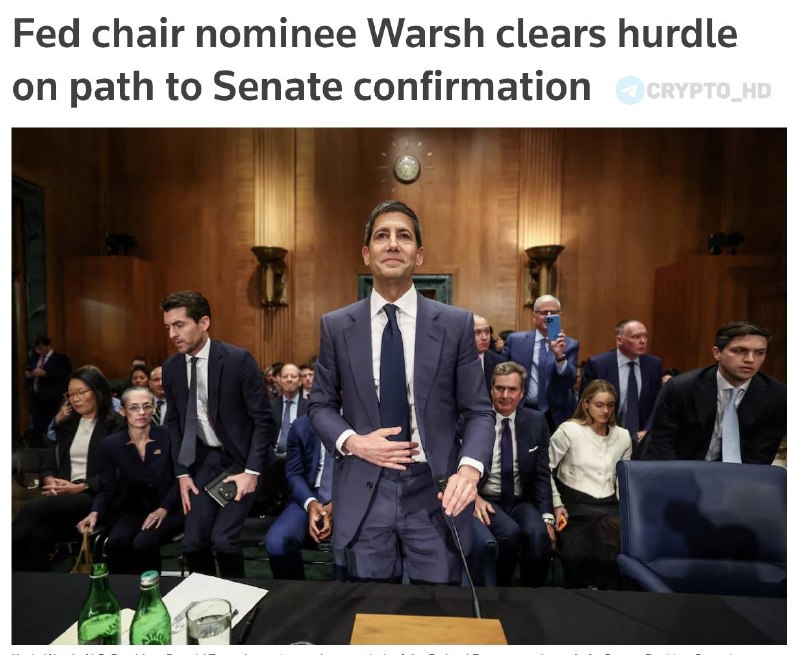
Cloture sounds procedural. It is not. In Fed confirmation fights, that vote is often the real choke point, and 49-44 is tight but still viable. Warsh sat on the Fed’s Board of Governors from 2006 to 2011, per Federal Reserve records, riding out the financial crisis. He built a reputation as someone more comfortable holding rates higher for longer than the market wanted. In his Senate hearings he pushed back on the idea that he had cut a deal with Donald Trump to lower rates, telling lawmakers he made no such promise and would defend the Fed’s independence. Democrats are not convinced. Their concern is simple: a Trump-picked chair, even one pledging loyalty to the institution, may give the White House more influence over monetary policy than the Fed’s design allows.
The timing is the part I keep coming back to. Jerome Powell’s term as chair ends May 15, 2026. His separate seat on the Board, per the Federal Reserve’s official Board of Governors roster, runs until January 31, 2028, so he can stay at the table after the gavel changes hands. Awkward? Very. Confirmation this week would put Warsh in the chair almost the moment Powell leaves it. No real transition gap. No tidy pause for traders to recalibrate.
Here is the macro angle crypto cannot ignore. Warsh’s record points to a Fed that fights inflation first and worries about growth second. Carry that posture into 2026 and the soft-landing playbook that helped push BTC through prior cycle highs starts to wobble. Most market notes will frame this as a rate-path story. That is only half right. The language matters too. A hawkish chair tightening the wording at the next FOMC, even without moving the policy rate, can pull liquidity out of long-duration trades, and crypto trades long duration whether the chart admits it or not. Why does this matter? Because BTC can sell off on a repricing of future cuts before the Fed actually does anything. Watch the dollar index and the 2-year yield in the 48 hours after the confirmation vote. If DXY breaks higher and the 2-year reprices a slower cut path, BTC’s correlation with the Nasdaq usually handles the rest. Altcoin beta gets hit harder than majors.
The second angle is Fed independence, and this one cuts both ways for crypto. The Democrats’ worry, that Warsh becomes a softer line for the White House on rates, is actually the bullish read for BTC and ETH if you squint. Counter to the usual advice, political pressure on the Fed is not automatically bad for Bitcoin. A Fed perceived as pliable is exactly the environment Bitcoin’s monetary-debasement thesis was built for. Every time markets price in “the Fed will cave,” gold and BTC tend to bid together. But Warsh’s pitch to senators was the opposite. He is selling himself as the guy who will not cave. If the market believes him, the debasement trade loses steam. The ETF bid can thin out too, especially on institutional desks that bought the macro story rather than the meme. IBIT and FBTC daily flow prints will tell that story faster than any speech, per issuer flow disclosures.
Warsh’s prior tenure at the Fed is still the cleanest forward indicator. According to Federal Reserve meeting transcripts from 2006 to 2011, he was a steady hawk inside a board that mostly wanted to ease, and he resigned in early 2011 partly over disagreements about how far quantitative easing should go. I’ll be honest: this is the detail crypto traders are most likely to wave away because the Trump appointment label feels easier to trade. That is a mistake. The bond market reacted to the nomination for a reason. Crypto traders should not assume a Trump-appointed chair automatically means easy money. The hawk does not change his feathers because the president changed.
The Senate math broke along party lines, and a 49-44 cloture margin means the floor vote itself is not a formality. A handful of Republican absences or defections could still drag the timeline. That uncertainty alone is worth a volatility premium on BTC options expiring this Friday. Is that overkill? For a market already leaning on rate cuts, no. Per Deribit’s monthly expiry calendar, the May monthly expiry is sitting on the confirmation date in a way the desk traders have already noticed. Implied vol on the front-week BTC contract has every reason to stay bid until the gavel actually drops.
What this means
The Fed’s center of gravity is about to move toward a chair with a documented preference for tighter policy and a personal history of dissenting against easy money. For crypto, that does not automatically mean lower prices. It means the rate-cut narrative that has carried BTC and ETH through 2026 has a new gatekeeper, and that gatekeeper is harder to convince. Yes, this sounds like it contradicts the bullish debasement read above. It does not. Both trades can exist, but only one gets paid first. Per Bloomberg and Farside Investors flow trackers, spot Bitcoin ETF flows, the structural bid most of this year, are the cleanest read on whether institutional money still believes the soft-landing thesis with Warsh at the wheel. If daily net inflows into IBIT and FBTC start printing red weeks instead of green ones, that is the tape telling you the macro setup changed. ETH is the more vulnerable leg here because its bull case leans harder on the same liquidity tailwind, and staking yields look less attractive the longer real rates stay elevated.
Three concrete catalysts will determine how the Warsh transition prices into crypto markets over the next 30 days. First: the final Senate vote, expected this week. A confirmation cements Warsh on the May 15 changeover. Any delay extends the uncertainty window and probably bids BTC vol higher into the weekend. Second: Warsh’s first public remarks as chair-designate. Markets will parse every adjective for guidance on the June FOMC, and any line tougher on inflation than Powell’s last presser is enough to move the 2-year yield and, through it, crypto majors. Third: the May FOMC minutes and the June dot plot. If Warsh inherits a committee that has already penciled in cuts and he signals he wants to slow them, that is the moment the market re-prices. We have seen this pattern before in macro-driven crypto tape: funding rates and the ETH/BTC ratio usually flinch before spot does. Set alerts on $61.4K as the technical level the desk is watching for BTC if the dollar pushes back up. Below that, the conversation changes quickly.