
















































Crypto News Digest: USDC Freeze Puts DeFi Counterparty Risk on Tape
This crypto news digest does not read like a neat roundup. It reads like a warning label, and I’ll be honest: that is probably the right tone. A whale short is down about $27m. Circle froze 12.6m USDC in cUSDC under a U.S. federal court order. Fox News confirmed the FBI seizure of 127 thousand BTC, with the seizure dated to October 2025. Too much at once? Yes. But for crypto investors, the message is blunt: leverage, courts, DeFi bugs, and Bitcoin custody are all hitting the tape together.
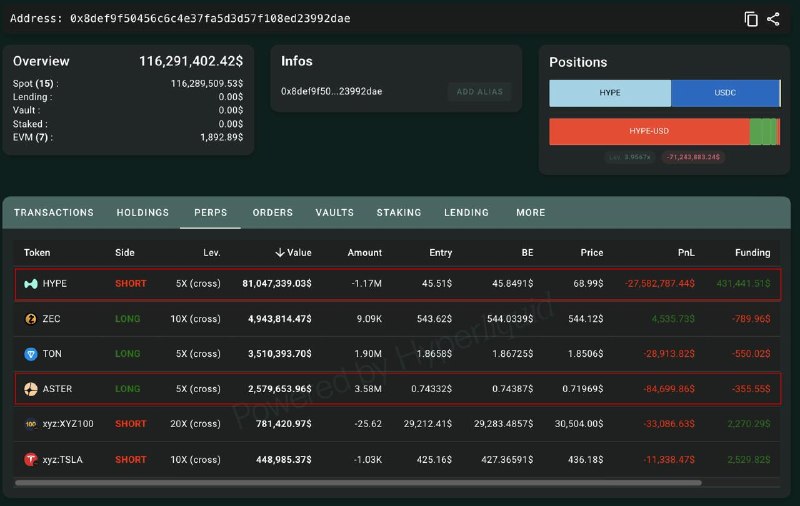
Start with the leverage. A trader described in the source as the largest short seller on an unnamed token has started covering at a loss after losing several million dollars. The current drawdown is about $27m. The same trader also opened a long position worth $2.5m. Across the book, the top-ranked long trader is sitting on about $40m in profit. That setup matters because liquidation pressure rarely builds in convenient places. If large funds are also buying the same token, the short is no longer just a directional bet. It can become fuel.
The fund-flow piece is HYPE. According to the source, a16z is still buying HYPE tokens worth millions of dollars. Most market notes would file that under bullish spot demand. That is only half right. When a fund with that name keeps bidding while a major short is down about $27m, traders see a positioning fight, not ordinary accumulation. My take: the whale’s new $2.5m long does not look like pure confidence. It looks at least partly like damage control.
The DeFi news is rougher. Gravity Bridge was hit for about $5.4m. Alephium lost about $815k. Those figures are nowhere near a 127 thousand BTC seizure, but they matter faster for anyone using bridges, smaller chains, or liquidity protocols. Bridges have been one of DeFi’s weak spots for years. This digest adds two more names and two more loss figures. It stings.
Then comes the court-order story. Circle froze 12.6m USDC inside a private protocol, cUSDC, because of a U.S. federal court order. The source describes it as the freezing of an entire DeFi contract in a civil dispute. Why does this matter? Because USDC is treated as the clean dollar rail across Ethereum and other chains. This case shows how far that rail can still be reached when the issuer can enforce legal orders.
For ETH markets, the direct price call matters less than the plumbing. USDC sits inside lending markets, pools, perps collateral, OTC settlement, treasury balances, and wrappers. If a 12.6m USDC freeze can touch a whole cUSDC contract under a civil court order, traders have to rethink stablecoin composability. Not just credit risk. Legal reach. Counter to the usual advice, this is not only about smart-contract audits. The SEC, CFTC, and courts do not need to ban DeFi to change how capital behaves. One freeze can make funds ask which pools and collateral tokens have hidden chokepoints.
Bitcoin has its own cleaner tension: safe-haven story versus seizure reality. The source says Fox News confirmed that U.S. authorities, specifically the FBI, confiscated the same 127 thousand BTC, with the seizure taking place in October 2025. For context, not as a new source claim, Bitcoin has often traded like a crisis asset during geopolitical stress. The Jan-2020 Soleimani episode is the usual example, when BTC gained about 8% during the shock window. Seizure headlines cut the other way. They remind everyone that custody and coin history still matter.
That is the Bitcoin trade in miniature. BTC can still be described as censorship-resistant money, but 127 thousand BTC under government control is not a tiny footnote. It can shape sentiment around future auctions, custody risk, and exchange deposit checks. The source does not say what happens next to those coins, so traders should not invent a sale that has not been reported. Still, the overhang is real. I would not treat it as immediate sell pressure, but I would not ignore it either. A government-held BTC stack that large can move psychology before it moves on-chain.
The solo miner story points the other way. A lone miner found Bitcoin block 951771 and earned about $230,000, or 3.14 BTC. This is the kind of story Bitcoin bulls like because it shows the network still leaves room for an individual participant, even with industrial mining everywhere. Does it cancel out the 127 thousand BTC seizure story? No. It makes the contrast sharper. Bitcoin remains open at the protocol layer, while custody and law are still painfully human problems.
The digest also has one genuinely useful DeFi item. The first reported “white-hat exploit” in this batch involved 0xflorent, who helped fix a broken Ethereum smart contract dating back to 2016 and returned 1003 ETH, worth about $2m, to 48 investors. That is the adoption story I actually buy. Not hype. Repair. Ethereum has plenty of frozen, forgotten, and badly maintained contracts in its past. Getting 1003 ETH back to 48 people after a 2016 issue shows trust can still be rebuilt through competent work.
Put the pieces together and the market read is uneven, but useful. HYPE has fund demand from a16z and possible short-cover pressure around a $27m drawdown. USDC has a legal-control headline around 12.6m USDC in cUSDC. ETH has live DeFi exploit risk, with Gravity Bridge at about $5.4m and Alephium at about $815k. It also has a reputational win from 0xflorent returning 1003 ETH. BTC has the cleanest split: a solo miner earned 3.14 BTC, while the FBI’s 127 thousand BTC seizure hangs over the tape.
The macro layer sits above all of this. The next scheduled Federal Reserve meeting is June 16-17, 2026, according to the Federal Reserve calendar. Crypto is still sensitive to liquidity. Yes, this sounds obvious. It is still where trades break. If traders move back into risk before that meeting, HYPE-style fund buying and crowded short-cover trades can run. If policy expectations tighten, the same leverage that created a $27m short drawdown can snap back fast.
None of these items defines the market on its own. Together, they describe the trade investors actually face on May 31, 2026. Chase flows into HYPE if the tape forces it. Manage legal exposure in USDC before it looks urgent. Watch DeFi exploit risk. Separate Bitcoin’s protocol story from government-held supply headlines. The market does not need a hero or a villain right now. It needs smaller sizing and fewer lazy assumptions.
What this means
This cluster points to a market moving away from simple beta and into name-specific risk. HYPE may be the momentum ticker to watch because a16z is buying millions of dollars of tokens while the largest short is carrying about $27m in drawdown and has opened a $2.5m long. USDC and cUSDC are the legal-pressure tells after Circle froze 12.6m USDC under a U.S. federal court order. ETH traders should read the two exploit figures first: Gravity Bridge at about $5.4m and Alephium at about $815k. Then add the 1003 ETH recovery by 0xflorent. The risk is still live, but repair work still counts.
Watch June 16-17, 2026, the next FOMC meeting, for the macro filter. Into that date, track BTC reaction to any movement or legal update around the 127 thousand BTC seized in October 2025. Monitor USDC flows after the 12.6m USDC cUSDC freeze. Follow whether the HYPE short’s roughly $27m drawdown expands or shrinks. Is this overkill for one digest? No. The source does not provide a clean technical level, so the better short-term tell is behavior: does HYPE force more covering, or does the $40m top-long profit become the next exit signal?