
















































Kevin Warsh’s Fed AI inflation views: a crypto market reality check
Former Federal Reserve Governor Kevin Warsh had some sharp things to say about inflation, AI, and the Fed’s next move. Crypto investors should not shrug this off. My take: his comments on the Fed’s balance sheet, plus his caution around AI-driven price pressure, sketch a macro setup that could matter for Bitcoin and altcoins over the next few months.
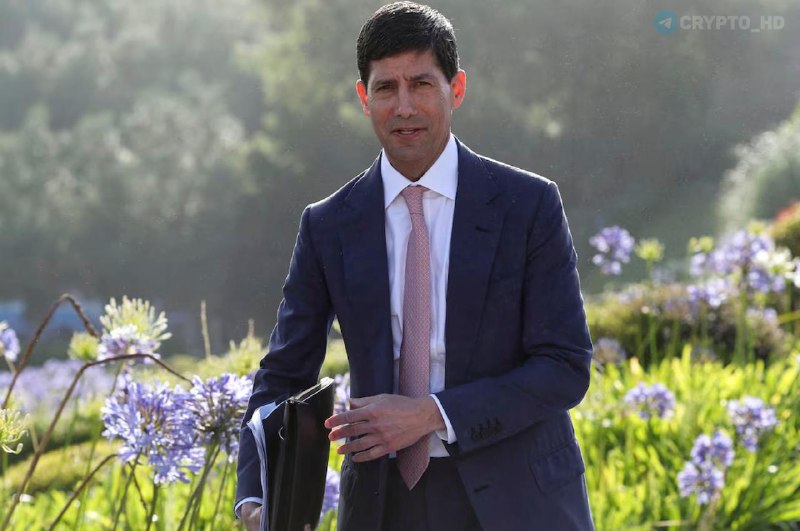
Warsh said “any new leader should attract the best talent available,” linking Fed leadership to better economic judgment. He said central banks usually welcome macro data that starts moving in the right direction. Fine. But he also warned against putting too much weight on the latest inflation numbers. He called them “imperfect” and said they do not tell the whole story. Most market notes treat cooler inflation prints like a green light. That’s only half right. If investors start doubting official inflation readings, some of that money looks for a different store-of-value story. Bitcoin has used that story before. It gets messy fast.
Warsh also said “AI investments will create new jobs in the near term and boost wages and employment in the long term.” Then came the warning: “in transitional periods, AI can lead to significant changes and disruptions.” The basic idea is not complicated. AI spending can lift demand before it adds enough supply to offset it. That can keep pressure on prices for a while. He also warned that “a one-time price jump does not necessarily mean rising inflation.” Why does this matter? Because Warsh said AI’s inflation impact depends on the Fed’s response. So, yes, we are back to liquidity again. If the Fed misreads AI, it could tighten too much, or cut too soon, or talk itself into a policy path the market hates. Either mistake can hit crypto hard. BTC has already shown how sensitive it is to Fed policy. After the hawkish Fed meeting in December 2023, BTC fell 5% in the next 24 hours.
Warsh said the labor market is in good shape, but he is “not sure that a rate cut was the cause of this.” He said wages have been growing at a moderate pace, though nobody really knows when productivity gains will show up in paychecks. I’ll be honest: that uncertainty is the whole trade. He also called the “sharp rise in AI prices” real and said he does not “want to take it lightly.” Business investment in equipment, technology, and other productive assets is adding a lot to GDP, and he expects that to continue. His bigger claim is that “productivity growth will have a sustained disinflationary impact.” That matters. If AI productivity really does cool inflation over time, the Fed may not need to keep policy so tight. That would help growth assets, including many altcoins. But counter to the usual crypto-bullish AI framing, traders could also decide AI is mostly inflationary in the short run. Then the market gets defensive quickly. BTC may still catch a bid as a digital gold trade, especially if investors think cash is losing value. In early 2022, when inflation anxiety was high, BTC trading volume often rose as investors looked for alternatives to fiat.
Warsh said “The Fed’s balance sheet should be as small as possible and expand only in a crisis.” Bad news for risk assets. A smaller Fed balance sheet means less liquidity in the system, and crypto usually struggles in that environment. When the Fed started QT in 2022, the crypto market fell hard, and BTC dropped from its November 2021 high near $69,000 to below $20,000 by mid-2022. Is this overkill for crypto traders to track? No. Balance sheet policy can matter as much as the headline rate path when leverage is thin and bid depth is fragile. If the Fed keeps shrinking the balance sheet, even with new political pressure in the mix, crypto has to deal with a tighter backdrop. Warsh also said, “I wouldn’t stick my neck out if Trump tried to influence Fed policy.” That sounds like support for Fed independence, which markets may prefer because it reduces the risk of sudden policy swings. He was blunt on inflation too: “Monetary policy provoked inflation. Inflation will not be permanent.” In his view, the Fed helped create the problem, and the Fed will shape how quickly it fades. Crypto is stuck trading inside that macro weather.
What this means
Warsh’s comments point to a Fed that may stay tight for longer, or at least avoid rushing into cuts. The balance sheet is the giveaway. If QT stays in place and liquidity remains thin, crypto rallies may have less room to run. ETH and smaller altcoins usually feel that first. Bitcoin can hold up better, but it is not immune. We saw this pattern in prior liquidity squeezes: majors wobble, high-beta tokens crack first, and only then does everyone start pretending the warning signs were obvious. The market will watch how the Fed talks about AI, productivity, inflation, and balance sheet runoff because that language can move rate expectations quickly. If officials accept Warsh’s view that productivity will cool inflation over time, easier policy could come later. Getting there still looks rough.
From here, CPI and PCE reports deserve more than the usual headline scan. Warsh called the data “imperfect,” so traders should check whether inflation is cooling across the economy or only in a few convenient categories. Yes, this slightly contradicts the clean “AI lowers inflation” story above. Bear with me. The timing matters more than the slogan. The next FOMC meeting on June 12th is the obvious calendar risk for rates and balance sheet guidance. For Bitcoin, the 200-day moving average around $58,000 is still worth watching. A clean break below it would make the tight-liquidity trade look worse. If the Fed softens its QT language or hints at cuts, BTC could get another shot at the $70,000 area.