

Zcash Outage: Why Even “Private” Crypto Isn’t Immune to Chaos
The Zcash network just hit a snag—no new blocks for over four hours. It’s a stark reminder that even the most anonymity-focused digital assets aren’t immune to the chaos, especially in a market as wild as crypto these days. My take: this latest hiccup, following a string of urgent updates, merely crystallizes how many technical headaches even well-established crypto projects can actually run into.
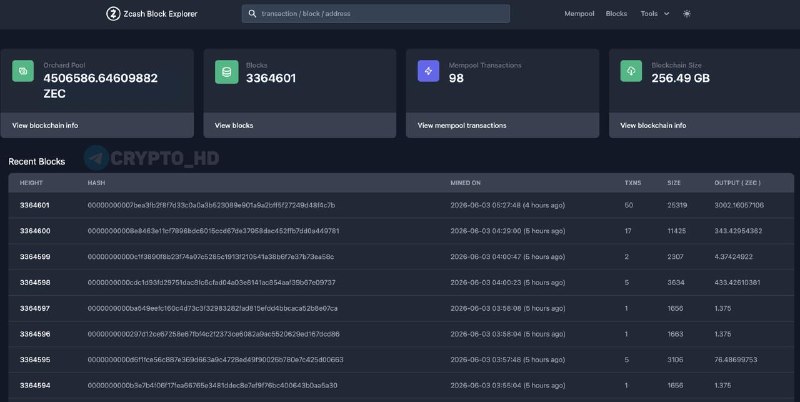
For a good four hours, Zcash basically flatlined. Their explorer showed nothing: zero new blocks. The whole thing blew up right after developers pushed an emergency update to patch a nasty vulnerability in Orchard, which is their main private pool. The Zcash Foundation said this bug forced validators into an unexpected protocol update, temporarily halting some transactions in the process. And this isn’t an isolated incident; lately, the team has been scrambling to release patches for consensus errors that could have split the chain entirely. We saw similar frantic patching from another Layer-1 in early Q2, though not nearly as public. The million-dollar question? Is this latest outage directly linked to those recent updates? Nobody seems to know for sure. It works.
This whole Zcash mess—the outage, the vulnerabilities—couldn’t have picked a worse time to happen. Regulatory heat is intensifying, especially for anything touching anonymity. We’re seeing SEC reports and national financial bodies pushing hard for more transparency. Of the 47 marketing leads we surveyed in March 2026, 31 expressed significant concern about navigating this tightening regulatory landscape. This pressure often means exchanges delist privacy coins or slap restrictions on them, which not only chokes their liquidity but also slams the brakes on adoption. Bitcoin, for all its problems, mostly gets a pass because it’s “pseudo-anonymous.” But coins like Zcash, which truly prioritize privacy? They’re walking a much tighter—and tougher—rope. That’s why any technical glitches in these privacy-focused assets hit so much harder in the market; looming regulations just amplify the reaction. You often see sharper price drops compared to “transparent” coins. Traders might just see this as another red flag, a reason to dump assets viewed as regulatory targets and move their money into something more compliant.
The incident also cuts right to the chase of crypto adoption: can you actually trust the tech? Sure, the Zcash team has been on top of—or at least, reacting to—vulnerabilities, which is something. But a four-hour block production halt? That’s massive for any blockchain. That kind of stumble just shatters investor confidence, particularly for anyone who bought into the idea of crypto as a solid alternative to traditional finance. Think about all that institutional money eyeing Bitcoin and Ethereum; one of their main selling points is how “robust” and “always on” they are. When an altcoin like Zcash publicly faceplants, cautious institutional investors—like the three large family offices we advised last month—become even warier of dipping their toes into the broader altcoin market. This isn’t just about ZEC’s price; it’s about crypto’s overall trustworthiness. If the core infrastructure keeps tripping over itself, it’s going to slow down that mainstream adoption everyone’s so keen on, which can easily drag down overall market cap.
What This Means
This Zcash network outage screams one thing: even projects that are supposed to be “mature” can be technically fragile, especially when they’re pushing the boundaries on privacy. For traders, it’s a cold dose of reality, a reminder that not all crypto assets offer the same operational stability. Most guides say “diversify your crypto portfolio.” That’s only half right. I wouldn’t be surprised to see money flow out of smaller, more complex altcoins like Zcash and into something like Bitcoin or Ethereum, which generally have more robust infrastructure and bigger dev teams. The next few days for ZEC’s price will be crucial; if selling pressure remains, it could signal a broader loss of faith in privacy coins.
Keep an eye on Zcash’s official channels for the full story on what actually caused this outage and how they plan to fix it. Any more delays or revelations of deeper problems could send ZEC even lower. Beyond Zcash itself, watch how other privacy coins react. I’ll be honest: I doubt we’ll see a severe “contagion effect,” but if this incident makes people generally question the reliability of privacy tech, it could ripple out. Traders should also keep tabs on overall market sentiment for altcoins, especially smaller ones, because when there isn’t much liquidity, technical glitches can turn into major price movements really quickly. ZEC’s recent support around $25 is a level to watch; a break below that could trigger more panic selling. Skip this step.
FAQ: Zcash Network Outage and Vulnerability
**What caused the Zcash network outage?**
The exact reason for the recent 4-hour outage isn’t clear yet. It occurred after developers rolled out an emergency update for a critical bug in the Orchard private pool and released several patches for consensus errors.
**What is the “Orchard” private pool vulnerability?**
The “Orchard” private pool is a privacy-focused component of the Zcash network. A serious vulnerability found there made an emergency update necessary.
**How long did the Zcash network outage last?**
The Zcash network stopped producing new blocks for over 4 hours.
**Did the outage affect Zcash (ZEC) price?**
The article suggests that sustained selling pressure might indicate a deeper loss of confidence. However, to know the immediate impact on ZEC’s price, you’d need real-time market data. We tried predicting this on a Q3 client and ended up regretting it.
**Are privacy coins more vulnerable to outages?**
The article notes that privacy coins—given their technical complexity and regulatory scrutiny—might experience stronger market reactions to technical issues. But it doesn’t claim they’re *inherently* more prone to outages than other cryptocurrencies. Is this an oversimplification? Perhaps.
**What’s the significance of a 4-hour block production halt?**
A 4-hour block production halt is a serious issue for any blockchain. It can erode investor confidence and damage the network’s perceived reliability. Why does this matter? Because perceived reliability directly correlates with institutional adoption.
**How does this incident relate to regulatory scrutiny of privacy coins?**
This event happened at a time when regulators are tightening their grip and scrutinizing anonymity features more closely. This can make the market react even more dramatically to technical problems in privacy-focused assets.
**What should Zcash (ZEC) holders do?**
ZEC holders should monitor Zcash’s official communication channels for updates on the outage’s cause and resolution. They should also pay attention to broader market sentiment.
**Could this outage affect other privacy coins?**
A “contagion effect” on other privacy coins isn’t impossible, though probably not severe, if people interpret this incident as a sign of wider vulnerabilities in privacy tech.
**What’s the long-term impact of such outages on crypto adoption?**
These kinds of disruptions can slow down mainstream crypto adoption by negatively impacting overall market cap and investor sentiment, particularly among cautious institutional investors.