
















































Solana Alpenglow Upgrade Puts SOL Speed Trade Back in Focus
Solana’s Alpenglow upgrade is a proposed rewrite of the chain’s consensus system. The headline number is almost too clean: finality would fall from about 12.8 seconds to around 150 milliseconds. Anza calls Alpenglow Solana’s new consensus protocol, built to finalize blocks in one or two slots instead of the current 32-slot process. My take: this is the kind of number SOL traders actually understand without needing a whiteboard.
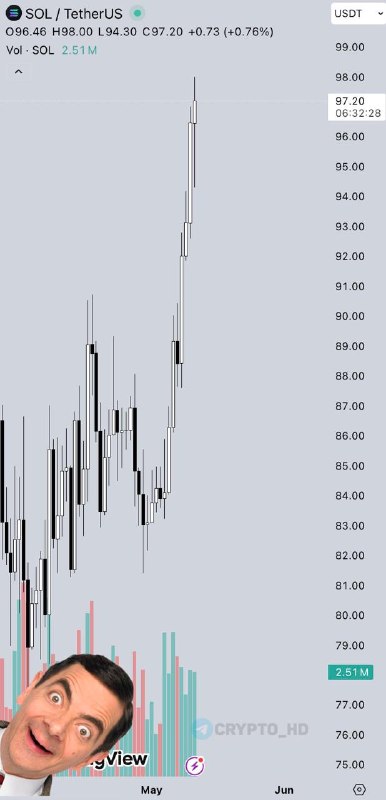
Anza developers announced the upgrade, with the details laid out in the SIMD-0326 governance proposal. If it works as described, block finalization drops from 12.8 seconds to 150 milliseconds, or about 85x faster. That is not a cosmetic tweak. For SOL investors, it matters because the Solana trade has never been subtle: buyers show up when Solana looks fast and cheap. They stay interested when it looks usable under pressure.
The update is already running on a separate community cluster, according to the source post. Testing, then. Not victory. Still, if the tests hold and Alpenglow gets closer to production, Solana finality would feel almost instant to most users. Why does this matter? Because a few seconds of waiting can feel ridiculous inside trading, payments, DeFi execution, and consumer apps that are supposed to move at internet speed.
I would treat Alpenglow as an adoption signal before calling it a price signal. Most upgrade coverage jumps straight to price. That is only half right. For SOL, the update backs the argument that fast Layer 1 chains still have room to compete with ETH scaling systems, but traders usually care once they can tie an upgrade to usage, fees, developer activity, or liquidity. The harder question is whether faster Solana transactions turn into steadier demand for SOL when the network gets busy.
The macro backdrop still matters. A lot. BTC and ETH set the tone for crypto, especially when traders are watching Federal Reserve rate expectations, dollar liquidity, and rotation in risk assets. I’ll be honest: SOL can have the cleanest technical story in the room and still get dragged if BTC turns defensive. It usually trades like a higher beta crypto asset compared with BTC, so a technical upgrade can rip in a risk on tape and vanish from the conversation when traders get cautious. The 85x finality claim gives SOL one specific thing to trade while the market waits for the next macro push.
Faster finality matters because execution is one of Solana’s clearest claims. DeFi traders, validators, market makers, and apps with tight settlement needs could care about it, though not equally. BTC is not trying to compete at 150 milliseconds. ETH is not making the same pitch either. SOL’s story is not “digital gold” like BTC or “neutral settlement layer” like ETH. It is speed. But do users actually notice? Sometimes, yes. Sometimes the only people who notice are market makers and app teams.
The Alpenglow headline needs to stay separate from confirmed mainnet deployment. The source does not include a SOL price move, a launch date, or an Anza comment beyond the testing announcement. That limits how far traders should run with it. A community cluster is not mainnet. “If tests pass” is not fine print. It is the hinge. Yes, this sounds cautious after talking up 150ms finality. That is the point. The market may price the idea quickly, but the stronger signal only comes if Alpenglow survives testing and moves toward production.
What this means

The Solana Alpenglow update shows Solana pushing harder on speed as its main Layer 1 argument. The affected protocol is Solana itself, and the number to remember is 150 milliseconds instead of 12.8 seconds. According to SIMD-0326, Alpenglow would replace the current Proof-of-History and TowerBFT setup with a newer design aimed at better performance and resilience. Simpler consensus is part of the pitch too.
The market test is usage. Counter to the usual advice, I would not watch the upgrade headline by itself for long. If Alpenglow performs as described, traders will watch whether DeFi volume, validator confidence, app activity, and liquidity depth move after the upgrade. A better narrative helps. Measurable activity matters more.
The SOL trading signal gets stronger if SOL outperforms BTC and ETH after testing. Watch the SOL/BTC and SOL/ETH pairs once the community cluster phase gives the market more evidence. Relative strength will say more than the headline. Is this overkill? For a high-beta asset heading into macro event risk, no. The technical level to watch is the next SOL breakout or rejection zone on high volume, while BTC’s risk tone heads into the next Federal Reserve decision after May 11, 2026. If BTC turns defensive, SOL may need real adoption data to keep the Alpenglow bid alive.
FAQ
What is the Solana Alpenglow upgrade?
The Solana Alpenglow upgrade is a proposed consensus change that would reduce Solana transaction finality from about 12.8 seconds to around 150 milliseconds. Anza says Alpenglow is designed to finalize blocks in one or two slots. Short version: faster settlement is the whole pitch.
Why does Alpenglow matter for SOL?
Alpenglow matters for SOL because Solana’s investment case leans heavily on speed, low latency, and scalable execution. If the upgrade works in production, it could help Solana in DeFi, payments, trading, and on chain apps that need fast settlement. I would still separate “could help” from “will reprice SOL.”
Is Solana 150ms finality live on mainnet?
No. Based on the source framing, Alpenglow is being tested on a community cluster. The 150ms target is not confirmed mainnet performance. Big difference.
How much faster would Solana be after Alpenglow?
Alpenglow targets finality of around 150 milliseconds, compared with about 12.8 seconds today. That would be about 85x faster.
What should traders watch next?
Traders should watch whether Alpenglow testing leads to mainnet progress, more Solana DeFi activity, higher app usage, and SOL strength against BTC and ETH. The market question is simple: do faster transactions create measurable demand for SOL?