















































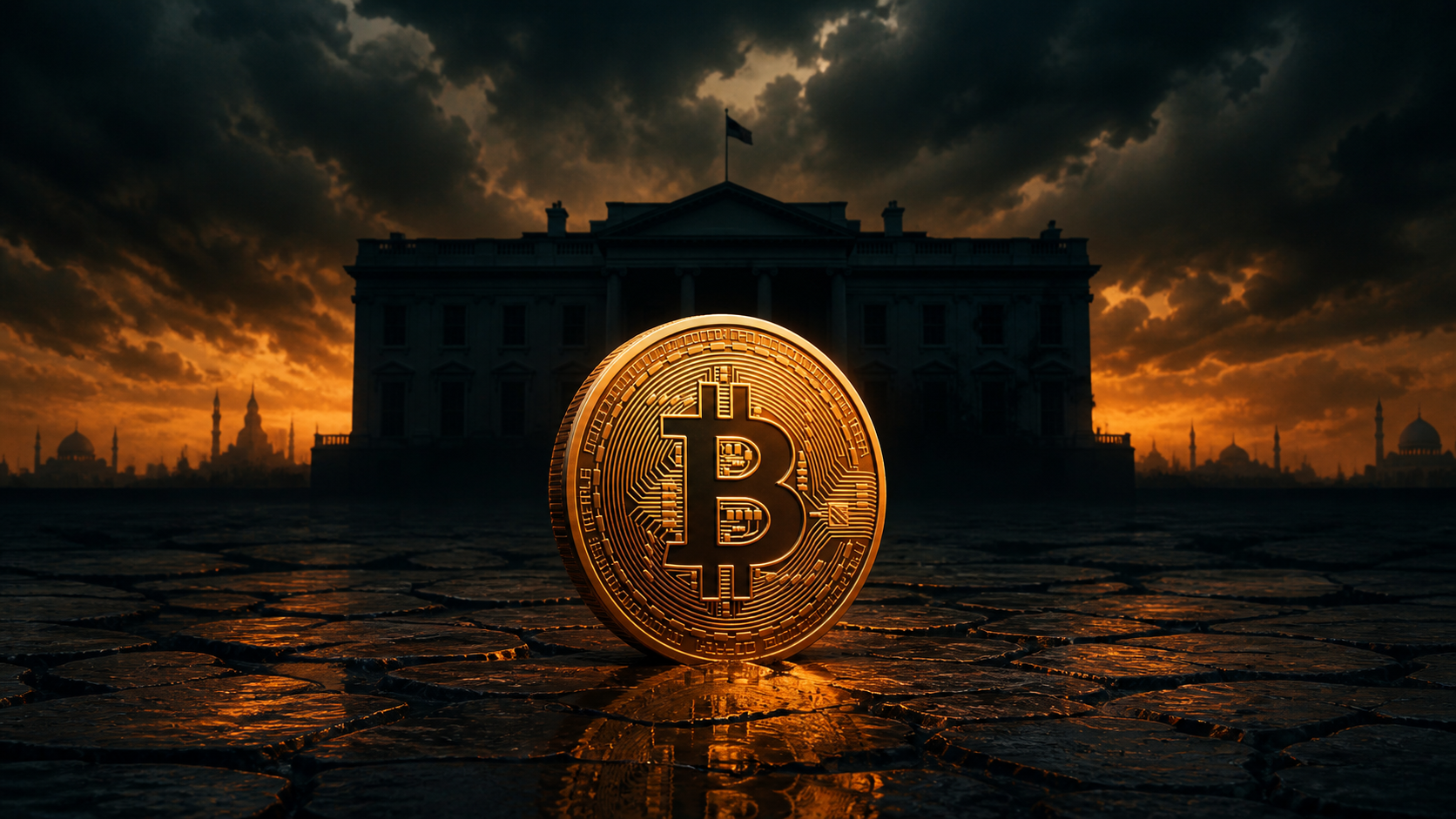
White House rejects Iran proposal, testing Bitcoin safe haven trade
The White House rejection of Iran’s proposal matters because Middle East risk can hit crypto before traders have time to separate signal from noise. On May 18, 2026, a wire/TG post cited by Axios said the White House rejected a new Iranian proposal to settle the conflict in the Middle East. For BTC and ETH traders, the question is blunt: does stress push money into Bitcoin, or does everyone run back to dollars and gold? My take: the answer changes faster than crypto people like to admit.

The reported facts are thin. Very thin. Axios said the White House rejected Iran’s new proposal, and the issue ties back to the Middle East conflict. That’s about it. The source post did not include a price level, deadline, official quote, named person, or policy detail. I would treat that carefully. Most guides say geopolitical headlines are bullish for Bitcoin. That’s only half right.
BTC has played both roles before: crisis hedge one week, risk asset the next. After the January 3, 2020 U.S. strike that killed Qassem Soleimani, BTC rose from about $6.9K to more than $8.3K by January 8, 2020. That helped the “digital gold” case. Then March 2020 happened. BTC fell more than 40% in 2 days when liquidity vanished. Same coin. Different tape. We have seen this split before, and it is exactly why the headline alone is not enough.
So the safe haven case is real, but it has strings attached. If the White House-Iran standoff increases demand for stores of value outside government money, BTC is the first crypto ticker traders will check. Not ETH. Not SOL. Gold usually gets the first bid when war risk rises, and Bitcoin still has to prove it belongs in that trade. Counter to the usual advice, I would not start with the crypto chart. I would start with gold, the dollar, and then BTC. One thing has changed since 2020: the 2024 spot BTC ETFs gave large buyers an easier way in.
The macro-flow story may matter even more for crypto in 2026. Middle East stress can lift the oil-risk premium, and higher energy prices can make the inflation path harder for the Fed. Why does this matter? Because BTC, ETH, COIN, and crypto miners do not trade in a vacuum when rate-cut expectations move. If traders price in fewer rate cuts after May 18, 2026, high-beta crypto can sell off even while the headline sounds bullish for hard-money narratives. That sounds contradictory. It is not.
ETH is more exposed to the risk-asset side of this than BTC. It usually needs liquidity, ETF demand, on-chain activity, and risk appetite moving together. Four things, not one clean story. That’s a lot to ask from a market trying to digest a geopolitical headline. COIN can get an early lift from heavier trading volume, but it is still a Nasdaq-linked equity with regulatory baggage. More headlines can mean more volume. They do not always mean higher prices. I’ll be honest: I trust volume spikes less when the macro tape is hostile.
The source post does not include a reaction quote, and adding one would make the record look fuller than it is. That missing detail is part of the story. Markets have a headline without the pieces traders actually want: no Iranian terms, no White House explanation, no timeline, no named official, no next step. In crypto, that usually means positioning comes first. Clear thinking shows up later.
What this means

Middle East risk is still live, and it can hit crypto through two channels at once: safe haven demand and rate pressure. BTC is the cleaner ticker for the first channel. ETH and COIN look more vulnerable if the market reads the May 18, 2026 headline as inflationary or risk-off. Is this overkill for one headline? No, because one thin headline can still reset positioning when oil, rates, gold, and the dollar are already moving. I would watch whether BTC holds its nearest major support zone on the daily chart while gold and the U.S. dollar trade through the same 24-hour window.
Next, watch the June 17, 2026 FOMC decision, CME FedWatch rate-cut odds, and BTC futures open interest on CME after the next Asia and New York sessions. A steady BTC bid alongside rising gold would help the safe haven argument. A BTC drop with higher oil and a firmer dollar would send a colder message: crypto is still liquidity first, geopolitical hedge second. Yes, that cuts against the clean “Bitcoin wins in chaos” line. But clean lines are usually where traders get sloppy.
FAQ
What does the White House rejection of Iran’s proposal mean?
The White House rejection, reported by Axios on May 18, 2026, points to continued Middle East tension. Markets care because that tension can affect oil, rates, the dollar, gold, and crypto. Simple setup. Messy trade.
How does geopolitical stress usually affect Bitcoin (BTC)?
Bitcoin can trade like a hedge or like a risk asset. It rose after the January 2020 U.S. strike that killed Qassem Soleimani, but it crashed in March 2020 when investors sold almost everything for cash. That is the part people skip when they want the cleaner story.
What is the “digital gold” argument for Bitcoin?
The “digital gold” argument says Bitcoin can act as a store of value outside government money, somewhat like gold. The January 2020 rally helped that case, though the March 2020 crash showed it does not always work that way.
How do higher energy prices affect crypto?
Higher energy prices can make inflation harder to control. If that leads traders to expect fewer Fed rate cuts, high-beta crypto often gets hit because liquidity expectations matter so much. Rates still rule.
Why is Ethereum (ETH) more exposed to risk than Bitcoin (BTC) here?
ETH depends more on broad risk appetite. It usually needs liquidity, ETF demand, on-chain activity, plus a willing market. BTC has the cleaner hard-money story when geopolitical risk jumps, even if that story still needs confirmation on the chart.
What should traders watch after the White House rejection of Iran’s proposal?
Traders should watch BTC’s major support zones, gold, the U.S. dollar, the June 17, 2026 FOMC decision, CME FedWatch rate-cut odds, and BTC futures open interest on CME. The mix matters more than any single headline. One data point is not a thesis.