
















































btc, s&p 500, dxy, oil, iran react to deal reports
Reports of a possible United States-Iran agreement moved BTC, the S&P 500, DXY and oil, according to the TG wire. For crypto traders, the message is blunt: BTC is not floating off in its own little crypto weather system here. It is trading with stocks and the dollar, and crude is in the same frame. My take: do not build a whole thesis around one report. Still, the connection matters because an Iran-related oil move can spill quickly into inflation expectations and rate pricing. Risk appetite follows.
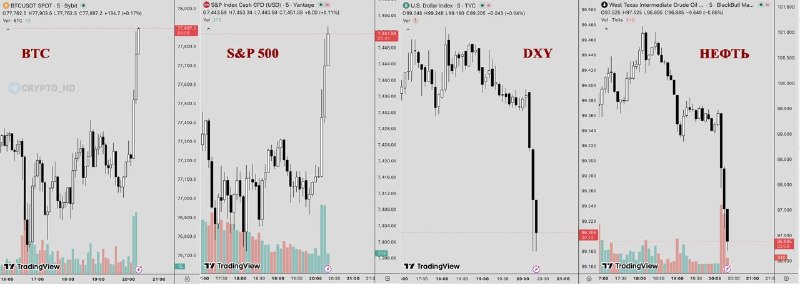
The source gives only the outline: BTC, S&P 500, DXY and oil reacted to messages about a possible agreement between the United States and Iran. No timestamp. No percentage move. No BTC level. No Brent or WTI reference. That is a real limit in 2026, and I would treat it as such. A headline twitch is not a trend.
The first crypto read is macro flow. BTC still gets called “digital gold” in some places. Most guides stop there. That is only half right. When the S&P 500 and DXY move on geopolitical news, BTC often behaves less like a clean hedge and more like a high-beta liquidity trade. If oil falls because Iran risk cools, traders can read that as softer inflation pressure, which can help risk assets. If DXY weakens too, BTC can catch a bid from dollar-sensitive buyers. That is probably why the wire put BTC in the same line as the S&P 500, DXY and oil instead of treating it as a crypto-only story.
The safe-haven argument is still around, though, and I would not dismiss it completely. Iran headlines drag BTC back into the old gold-style debate: is it a hedge when politics get ugly? Or does it sell off with the rest of the risk book when volatility jumps? For context, BTC rose about 8% during the January 2020 Soleimani strike episode. That helped the hedge story for a few days. But this report is about a possible agreement, not escalation. Different trade.
For BTC, de-escalation can work both ways. Less geopolitical stress may weaken the hedge bid. Lower oil pressure may improve the setup for risk assets. Yes, that sounds like a contradiction. It is not. The driver changes depending on whether traders care more about crisis protection or easier macro conditions. So the next move matters more than the first reaction. Does BTC follow the S&P 500 higher? Does it move against DXY? Or does it barely react? Each answer says something different about positioning.
There is no quote in the source, so there is nothing useful to quote. I will be honest: that makes the read thinner than a proper market note. The cleaner interpretation is that the TG post flagged a cross-asset reaction, not a full market report. Still useful, just limited. BTC appearing beside the S&P 500, DXY and oil says where attention is today: macro first. Crypto-specific news second.
What this means
BTC is still tied closely to the global macro tape in 2026, especially when Iran, oil and the dollar hit the same headline. Counter to the usual crypto-native read, the important signal may not be “Bitcoin as hedge” at all. It may be Bitcoin as risk asset responding to oil and dollar pressure. If oil reprices lower on agreement reports, BTC may benefit more as a risk asset than as a crisis hedge. BTC is the crypto ticker to watch here, but confirmation probably comes from follow-through in the S&P 500, DXY and oil.
Watch the next confirmed session close for BTC, the S&P 500, DXY and oil after the Iran agreement reports. First moves often fade. Is this overkill for one TG post? No, because the assets involved are doing the real talking. For BTC, I would also watch whether price holds its nearest daily support and whether CME crypto futures positioning backs up the move. The next hard macro check is the next scheduled FOMC decision, where oil-driven inflation assumptions may matter more than the headline itself.