
















































Japan Yen Intervention Bitcoin Risk Signals Carry Trade Stress
Japan yen intervention bitcoin risk is back on the screen, and it points to stress in global carry trades. USD/JPY fell 70 points today. The source links the move to another round of Japanese foreign exchange intervention. Crypto traders should not shrug this off. My take: the yen is still one of the quiet funding rails behind risk. When cheap yen borrowing helps support BTC, ETH, tech stocks, and high beta tokens, a sharp yen move can travel well beyond the FX screen.
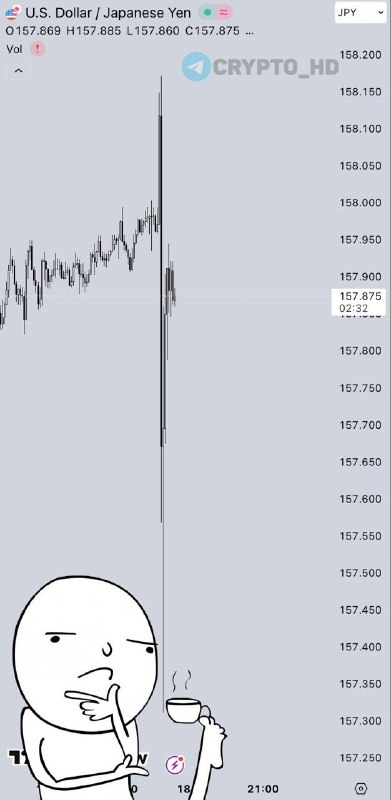
Yen intervention can matter for liquidity. Simple chain. Messy damage. According to the source, Japan stepped into the market on April 30 to support the yen, its first intervention in almost two years. On May 7, Japanese authorities then spent about $32 billion to support the currency. Now USD/JPY is down another 70 points today. Is that just an FX headline? No. It is a liquidity warning.
Crypto does not sit outside global liquidity, especially when carry trades unwind. This is the uncomfortable part, and I think crypto people sometimes wave it away too quickly. Crypto can look like its own market until leverage gets cut. Investors borrow cheap yen, buy riskier assets, and collect the spread while the currency behaves. BTC, ETH, tech shares, and other high beta tokens can end up inside the same risk bucket. When the yen rises fast, those positions can turn ugly. Investors buy yen. They cut leverage. They sell what is liquid. For BTC, the pressure point is not only spot demand or ETF flows. It is the funding underneath the trade.
Japan’s defense of the yen can make liquidity less friendly for risk assets. That is the macro flow traders should watch first. Most guides say crypto only needs crypto-native catalysts. That is only half right. If Japan keeps defending the yen while the Bank of Japan faces pressure to raise rates, risk assets have a harder backdrop. The source cites media reports about a possible interest rate hike as early as June, while Japanese government bond yields have reached multi year highs. For BTC and ETH, the question is plain: is this a one day FX move, or the start of a wider unwind in carry funded risk?
BTC has often traded like a high beta liquidity asset when funding stress appears. The clean comparison is the August 5, 2024 carry trade shock, when BTC fell below $50K during a global risk off move that markets tied to yen strength and leverage reduction. That day still matters. It showed BTC can trade like a liquidity asset under stress, even if long term holders keep talking about digital scarcity. ETH took the same hit. Why does this matter? Because when leverage comes off, traders usually sell what they can sell quickly, not what has the neatest five year thesis.
Intervention can reverse, but yen funded leverage now looks more fragile. I will be honest: this is not automatically bearish in a straight line. FX intervention can create violent reversals if traders decide Japan is only slowing the move, not changing the trend. Still, the setup has changed. A 70 point drop in USD/JPY today, after the April 30 intervention and the roughly $32 billion May 7 operation, tells crypto desks that Japanese authorities are pushing back against yen weakness. That makes yen funded leverage shakier. Treating that as background noise feels lazy.
Bitcoin’s safe haven story may not work cleanly during a yen defense episode. In theory, Bitcoin should benefit when people question fiat credibility. In practice, this is not a banking panic or a sanctions shock. Japan is not abandoning its currency. It is defending it. That difference matters. Counter to the usual Bitcoin reflex, a stronger yen may not hand BTC the usual “hard money” bid. If the yen strengthens because authorities intervene and bond yields rise, BTC may trade with the risk assets being sold to repay yen funding.
BTC has sold off with traditional assets during liquidity squeezes before. BTC has acted like a safe haven in some crisis windows. It has also dropped hard when liquidity disappeared. March 2020 is the blunt example: BTC fell with equities, then recovered after global liquidity expanded. The lesson for May and June is direct. If Japan’s yen defense drains risk appetite, BTC may react to liquidity first and ideology later. That sounds cynical. It has also happened before.
Current signals point to a tighter carry trade environment. One caveat matters, and I would keep it front and center. The source does not cite direct BTC, ETH, COIN, exchange, ETF, or derivatives data. So the crypto link here is analytical. It is not proof that crypto moved by a specific percentage today because of Japan. The signal is the funding channel. USD/JPY down 70 points today. Japan’s April 30 intervention. The roughly $32 billion May 7 support operation. June rate hike speculation. Together, they point the same way: carry trades are getting less comfortable.
Yen strength can move through crypto assets and related equities. For BTC, watch whether yen strength pressures leveraged longs in crypto perpetuals and spot proxies. For ETH, the same logic applies, often with more beta because ETH is tied to risk appetite and expectations for on chain activity. COIN is different. The link is indirect. If risk off selling cuts crypto volumes or hits crypto equities, exchange linked stocks can feel it without any new regulatory headline. In this setup, macro traders will probably check USD/JPY before they check a meme coin chart. Fair enough.
Possible Bank of Japan tightening makes the carry trade harder to hold. This is more than a simple intervention story. The source says media are discussing a possible interest rate increase in June, while Japanese government bond yields have climbed to multi year highs. Higher Japanese yields make cheap yen borrowing less attractive. That weakens the basic carry trade math. Borrowing costs rise. Currency risk rises too. Is this overkill for crypto traders to track? For BTC, no. Risk assets then need to offer more reward to justify the position, and crypto usually does not love that mix.
The market can sell BTC in the short term while still feeding the long term fiat stress narrative. Yes, this contradicts the clean “Bitcoin benefits from fiat stress” line. Bear with me. BTC can fall against the dollar during a carry unwind while longer term buyers still view official currency defense as a sign that fiat systems need constant management. The short term trade says sell risk when yen funding tightens. The longer term story says pay attention when major economies keep stepping in to manage currency stress. Same week. Different time horizon.
What this means
Japan’s latest yen defense points to a less forgiving liquidity backdrop for leveraged risk trades. For BTC, the near term risk is a macro flow selloff caused by yen strength, not a crypto native trigger. USD/JPY’s 70 point drop today, Japan’s April 30 intervention, and the roughly $32 billion May 7 support operation show that authorities are willing to act. If traders borrowed yen to buy BTC, ETH, tech shares, or other risk assets, a stronger yen can force them to cut positions. My read: BTC is the most exposed crypto ticker because it is the deepest pool of liquidity. ETH may move more if the unwind spreads.
Watch the Bank of Japan, USD/JPY, bond yields, and crypto leverage. June matters first because the source flags media reports of a possible Bank of Japan rate hike then. Also watch USD/JPY after today’s 70 point move, Japanese government bond yields at multi year highs, and crypto leverage data such as BTC and ETH perpetual funding if exchange dashboards show it. The practical trading question is not whether Japan “likes” Bitcoin. It is whether yen strength forces more risk selling before BTC can make any safe haven case again.