
















































TesseraDAO DeFi Hack: 99m TSR Print Tanks Price 99%
A significant security breach occurred at TesseraDAO, where an attacker exploited a vulnerability to mint 99 million TSR tokens, subsequently dumping them and causing a 99% price collapse. This incident underscores the persistent smart contract risks in the DeFi sector, a vulnerability that continues to challenge investor confidence and could influence broader regulatory discussions around digital assets.
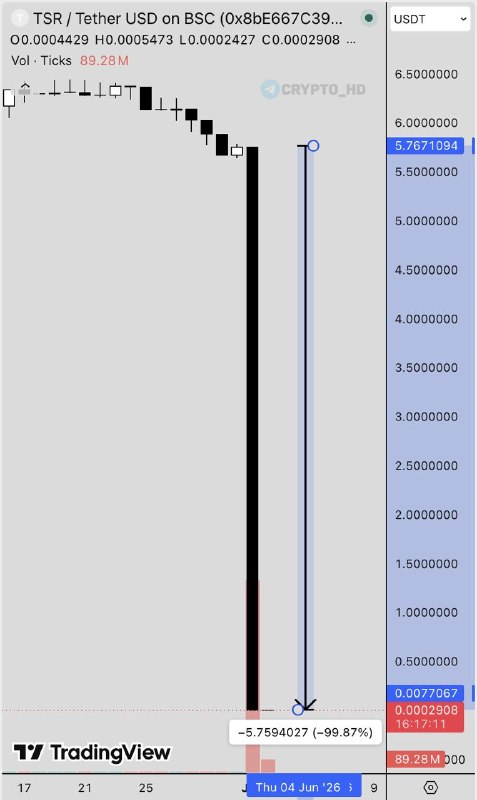
The TesseraDAO attack involved the unauthorized creation and immediate sale of 99 million TSR tokens, leading to a catastrophic market crash. The attack on TesseraDAO saw an attacker mint a staggering 99m TSR tokens out of thin air. These newly created tokens were then swiftly sold off on the open market. The immediate consequence was a catastrophic price collapse for TSR, plummeting by roughly 99% in a matter of moments. This type of exploit, often termed a “minting attack,” leverages flaws in a protocol’s token issuance mechanism, allowing unauthorized creation of tokens that then flood the market.
This TesseraDAO hack contributes to the ongoing narrative of increased regulatory pressure within the cryptocurrency space. This TesseraDAO hack, while specific to one protocol, feeds directly into the ongoing narrative of regulation pressure within the crypto space. Regulators globally, from the SEC to the CFTC, are scrutinizing DeFi for its inherent risks, including smart contract vulnerabilities and lack of centralized oversight. Each exploit, particularly those resulting in near-total value loss like the 99% drop in TSR, provides more ammunition for calls for stricter controls. According to statements from the SEC, there has been an increased focus on staking services and exchange operations, with the argument often being that these platforms need more robust consumer protections. The question isn’t if more regulation is coming, but how quickly and how broadly it will impact the entire DeFi ecosystem, potentially affecting everything from ETH staking yields to the listing criteria for new tokens on major exchanges.
Exploits like the TesseraDAO hack can subtly impact the macro flow of capital into the broader cryptocurrency market. Here’s the thing: these kinds of exploits also subtly impact the macro flow of capital into crypto. While Bitcoin (BTC) often acts as a bellwether for the broader market, and we’ve seen it hold relatively steady around the $61.4K mark recently, repeated DeFi hacks can deter institutional money. Large investors, already wary of volatility, become even more hesitant when faced with systemic risks like smart contract failures. This can lead to a slower rotation of traditional finance capital into digital assets, even as inflation concerns in the broader economy might otherwise push investors towards alternative stores of value. If confidence in DeFi’s security wanes, it could indirectly dampen enthusiasm for the entire crypto market, potentially slowing down the next leg up for assets like ETH or even impacting the overall market cap.
What this means
The TesseraDAO incident highlights a critical and persistent vulnerability in DeFi: smart contract security. This TesseraDAO incident signals a persistent and critical vulnerability within the DeFi landscape: smart contract security. The ability for an attacker to mint 99m TSR and crash its value by 99% highlights that even established or seemingly robust protocols can harbor catastrophic flaws. This event will likely intensify regulatory scrutiny on DeFi, pushing for more stringent audits and potentially impacting how new protocols are launched and perceived by investors. The immediate impact is on TSR holders, who have seen their investment virtually wiped out, but the ripple effect could touch other smaller cap DeFi tokens as investors become more risk-averse.
Moving forward, investors should anticipate increased calls for mandatory third-party audits for DeFi protocols and monitor shifts in capital flow. Moving forward, investors should watch for increased calls from regulatory bodies for mandatory third-party audits for DeFi protocols, especially those involving minting or significant treasury functions. Keep an eye on the broader sentiment around DeFi TVL (Total Value Locked) and any shifts in capital from smaller, riskier protocols to more established ones like MakerDAO or Aave. Technically, watch for any significant breaks below key support levels for the overall DeFi sector’s market cap, as sustained negative news could trigger further outflows. The next major regulatory announcement or a high-profile exchange delisting of a compromised token could serve as a critical inflection point.
FAQ
Q: What happened in the TesseraDAO hack?
A: An attacker exploited TesseraDAO’s smart contract to mint 99 million TSR tokens and then sold them, causing the token’s price to drop by 99%.
Q: What is a “minting attack”?
A: A minting attack is an exploit where a flaw in a protocol’s token issuance mechanism allows an unauthorized party to create new tokens, which are then often sold to crash the market.
Q: How does this hack affect DeFi regulation?
A: This hack provides further evidence for regulators, such as the SEC and CFTC, to push for stricter controls and increased oversight in the DeFi sector due to smart contract vulnerabilities.
Q: What is the broader impact on the crypto market?
A: Repeated DeFi hacks can deter institutional investment and slow the flow of traditional finance capital into digital assets, potentially dampening enthusiasm for the entire crypto market.
Q: What should investors watch for next?
A: Investors should monitor for increased calls for mandatory third-party audits for DeFi protocols and observe shifts in capital from riskier protocols to more established ones.