















































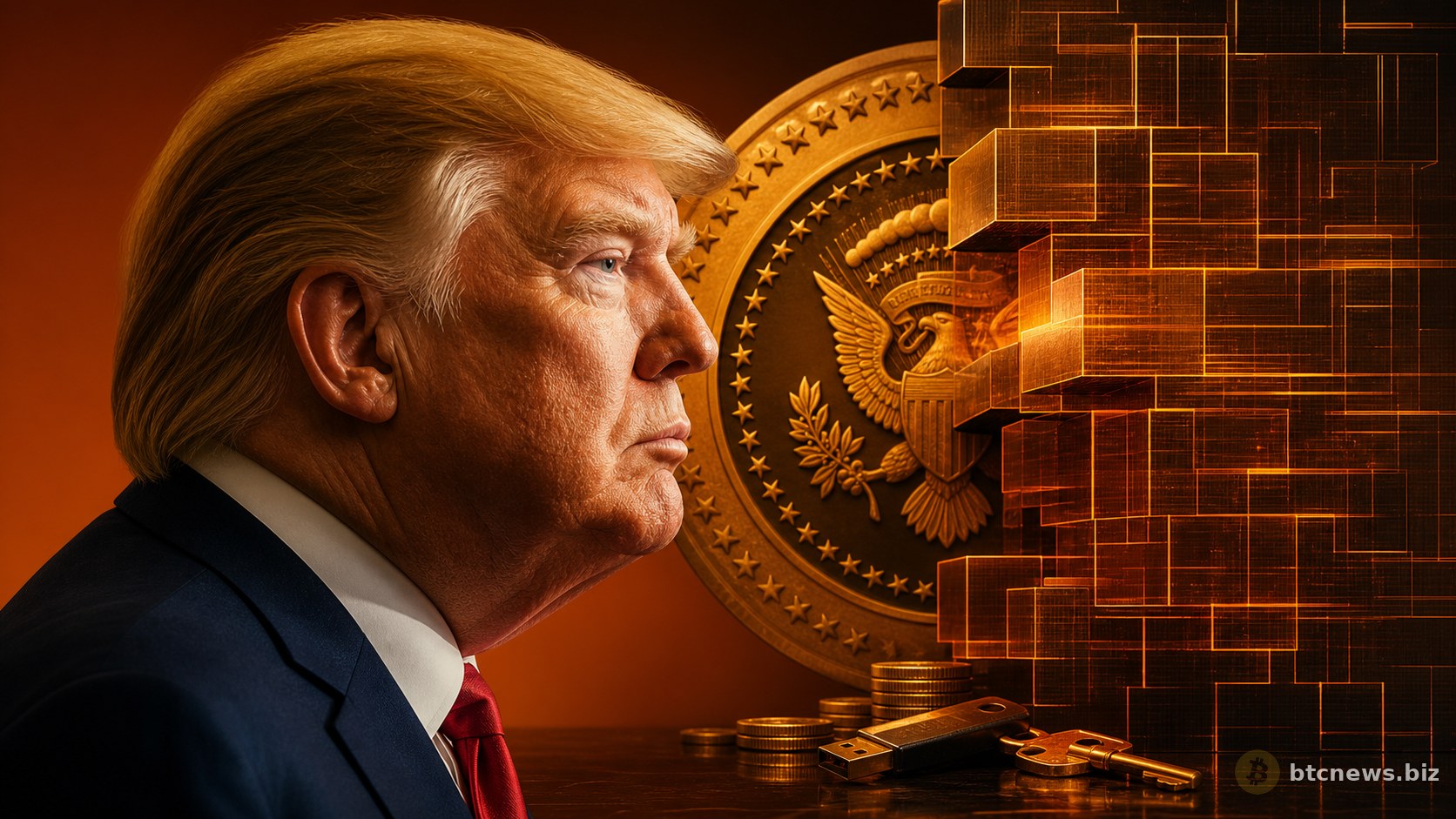
Trump’s crypto disclosure is a market signal, not just a headline
Donald Trump’s financial disclosure is not normal campaign background noise. It is a warning label. My take: crypto policy, private money, and presidential power are now sitting much too close together. Traders should pay attention because markets do not wait for an ethics committee. They price access, political warmth, regulatory tone, and even perceived proximity almost immediately.
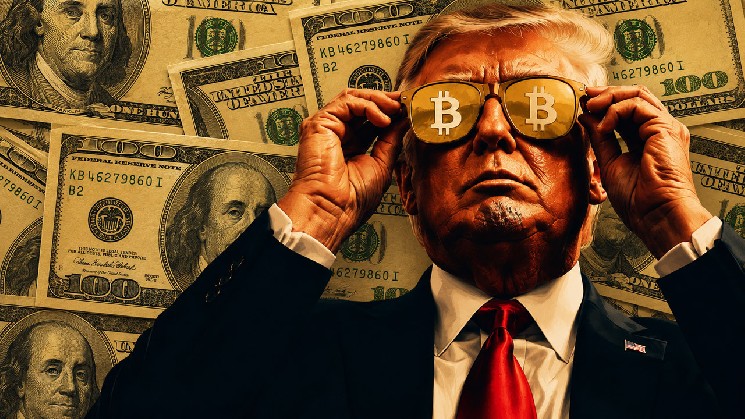
The filing, made public through the Office of Government Ethics, lists crypto related income, including money tied to Trump branded token licensing and World Liberty Financial. Big totals grab the first headline. That is not the real issue. The harder question is where the money came from and what federal posture could do to its value. These products depend on a policy environment a president can help shape. That makes this different from the old arguments over hotels or brand licensing. Crypto is slippery: asset one minute, campaign adjacent product the next, then financing tool, then regulatory headache. I will be honest: that mix is exactly where disclosure stops feeling like paperwork and starts looking like market structure.
Most guides frame this as an ethics story. That is only half right. It is also a pricing story. Crypto wants to be treated like financial infrastructure, which means pension funds, advisors, banks, payment companies, and custody desks are watching for legitimacy. But if the most visible political figure attached to the sector is also making real money from crypto linked ventures, the sales pitch gets worse. Why does this matter? Because every friendly policy move, including stablecoin legislation or talk of a Strategic Bitcoin Reserve, can look like self dealing even when there is a defensible public argument behind it. Trust is the part traders underprice. A White House signal on stablecoins could add billions to expectations around USDT or USDC, at least in theory. In practice, some investors may discount the move because the politics look louder than the policy.
Crypto also reacts faster than almost anything else in finance. A bank stock may take days to digest a rule change. A token can move in minutes. Traders watch enforcement tone, banking access, executive orders, reserve chatter, White House meetings, and sometimes a single offhand quote as if they were earnings releases. Sometimes they matter more. Counter to the usual advice, this is not just about reading legislation; it is about reading who gets invited into the room. A friendlier administration could pull capital into Bitcoin (BTC) and Ethereum (ETH) quickly, especially if traders think Washington is cooling things down. That is how BTC pushing through $70,000 or ETH moving back toward its $4,891.70 high could become a Q4 2024 trade instead of a slow institutional story. I do not love how much of this rests on vibes, but crypto has always traded partly on vibes.
So the filing is more useful as a governance warning than as a scandal label. Small distinction. Big consequence. Crypto markets turn influence into price with very little delay, and affiliation can become part of an asset’s value before lawmakers have even agreed on the definitions. That is the uncomfortable part. A hotel does not reprice globally at 2 a.m. because of a speech. A token can. Is that overdramatic? No, not in a 24/7 market where public office can become a live input for private financial ecosystems. Everyone with a chart open knows it.
What this means
This is a rough moment for crypto because it makes the trust problem worse. Traders may try to front run policy hints, especially around tokens or protocols linked to political figures. Watch the spread. Those assets could swing on news cycles instead of product updates, adoption data, revenue, or on chain usage. It also puts the SEC and CFTC in a tighter spot. If they soften their stance on digital assets, people may read it as political favoritism, even when there is a legitimate legal reason. Yes, that sounds unfair to regulators. It still matters, because suspicion can spill into assets like XRP and Solana (SOL), where regulatory interpretation already carries a lot of price weight.
Investors should watch for conflict of interest rules written specifically for digital assets. The details matter: counterparty transparency, recusal rules for sector policy, treatment of governance rights, and revenue claims held through affiliated entities. I would not skim those definitions. The market will also be sensitive to White House statements or actions tied to Executive Order 14178 and digital asset policy. I would watch institutional adoption headlines with more skepticism than usual, too. If confidence in the regulatory process weakens, even good BTC or ETH news may not move prices the way traders expect. The next few quarters, especially heading into the 2024 elections, could decide whether crypto gets a cleaner policy framework or just another layer of political baggage.