
















































US Digital Dollar Ban Tonight: A Win for Stablecoins, Not Bitcoin
A “U.S. government digital dollar,” also called a Central Bank Digital Currency (CBDC), would be a digital dollar issued by the Federal Reserve. Tonight, Congress is set to block that idea for four years through a CBDC limit tucked into a housing law. My take: this is mainly a stablecoin story, not a Bitcoin story. The ban keeps a possible public rival out of the market until the end of 2030, giving private dollar tokens like USDT and USDC more room to operate. Weird venue? Yes. But Washington has never been shy about stuffing a digital money fight inside a bill that sounds like it should be about rent, mortgages, and zoning.
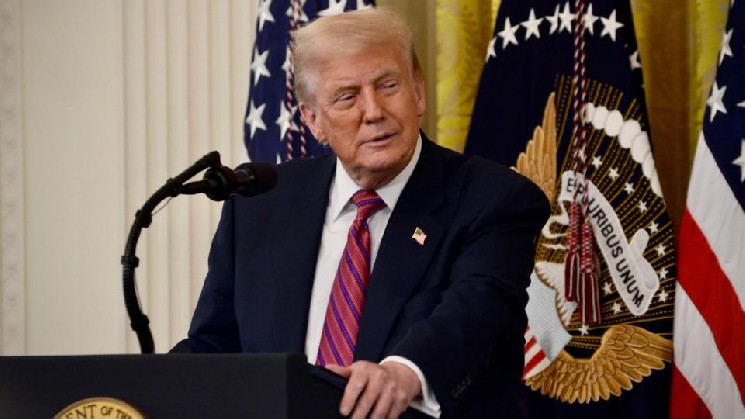
After midnight, a provision in a bipartisan housing affordability bill will become law and stop the Fed from issuing a digital dollar for four years. President Donald Trump refused to sign the bill at the last minute, but his objection was not about the CBDC language. Under the U.S. Constitution, a bill approved by Congress becomes law after 10 days if the president does not veto it. Trump has not vetoed it. So the housing bill becomes law. The CBDC restriction rides along.
The crypto industry has been against a U.S. CBDC for years. The core objections are surveillance and competition, not some abstract dislike of “innovation.” Republican lawmakers have called a digital dollar a threat to financial privacy, while the Fed has shown little appetite for launching one without clear backing from Congress and the White House. Europe and China have gone further with their own digital currency plans. That gave U.S. politicians a convenient target. Most CBDC debates get framed as America falling behind. That’s only half right. In this case, the delay is the policy.
For the Regulation Pressure angle in crypto, the message is blunt. Regulation pressure means the effect government rules have on markets and companies. A four year ban tells stablecoin issuers that Congress is willing to hold back a government run digital dollar, at least for now. That helps Tether (USDT), Circle’s USDC, and investors who treat stablecoins as the plumbing of crypto markets. I’ll be honest: “plumbing” is an ugly word, but it fits. USDT and USDC already carry a large share of crypto trading liquidity. They do not become more valuable overnight, because stablecoins are meant to hold their peg. But their business case looks a little less crowded. Some market analysis suggests stablecoin market cap growth could pick up by about 0.5% to 1% over the next quarter as this threat fades. Is that a moonshot? No. It is just one less weight on the table.
From a Macro Flow view, this is about where money can move. Macro flow means large scale capital movement across markets and countries. The CBDC ban pushes the U.S. further toward private digital dollars instead of a Fed issued version. It probably will not move Bitcoin (BTC) much in the short term. This is not the kind of news that sends BTC up or down 4% to 7% in a day. Still, it removes one possible long term competitor. If the U.S. had launched a CBDC, some capital might have moved into that “risk free” digital dollar instead of using crypto rails. With that option blocked until 2030, people who want digital dollar exposure will keep using stablecoins. Why does this matter? Because private sector rails stay in the middle of the trade, which can also help the wider crypto market, including Ethereum (ETH) and other Layer 1 networks.
What this means
U.S. digital asset policy is still messy, but this part is clear enough: Congress is blocking a Fed digital dollar for four years. Stablecoin projects get the clearest benefit. USDT and USDC keep their role as on-ramps and trading collateral. They also remain liquidity tools without having to compete with an official U.S. digital currency. My read is simple: this is not deregulation, but it does narrow the field. Analysts will probably watch for more interest in stablecoin backed products, especially from institutions that prefer fewer regulatory surprises. Limited clarity is still clarity. In crypto, that is not nothing.
The next date to watch is the end of 2030, when the CBDC limit expires. A Fed digital dollar probably would not have launched before then anyway, but politics can move quickly when money and surveillance are on the table. Yes, this slightly cuts against the idea that the ban is a major market event. Bear with me: the market impact can be small now and still matter strategically. Traders should watch future congressional hearings, CBDC proposals, and stablecoin bills. If lawmakers try to bring back a U.S. digital dollar later, stablecoin markets could get jumpy. Pegs probably would not break just because someone drafts a bill, but trading volumes and risk pricing could move. For now, private stablecoins have a clearer path. Not a perfect one. Just clearer.