















































Vijayawada Crypto Scam: How a Real Estate Broker Lost Rs 1.4 Crore
“The Vijayawada crypto scam shows how fake Web3 screens can turn personal trust into a Rs 1.4 crore loss.” On June 1, 2026, Vijayawada Cyber Crime Police were investigating an alleged fraud involving simulated MetaMask wallets, fake tokens, and overseas links. My take: this is the kind of case crypto traders should read slowly, not skim as another scam headline. BTC and ETH risk is not just price risk anymore. Custody risk is one part. Verification risk is another. Basic trust checks sit right beside both.
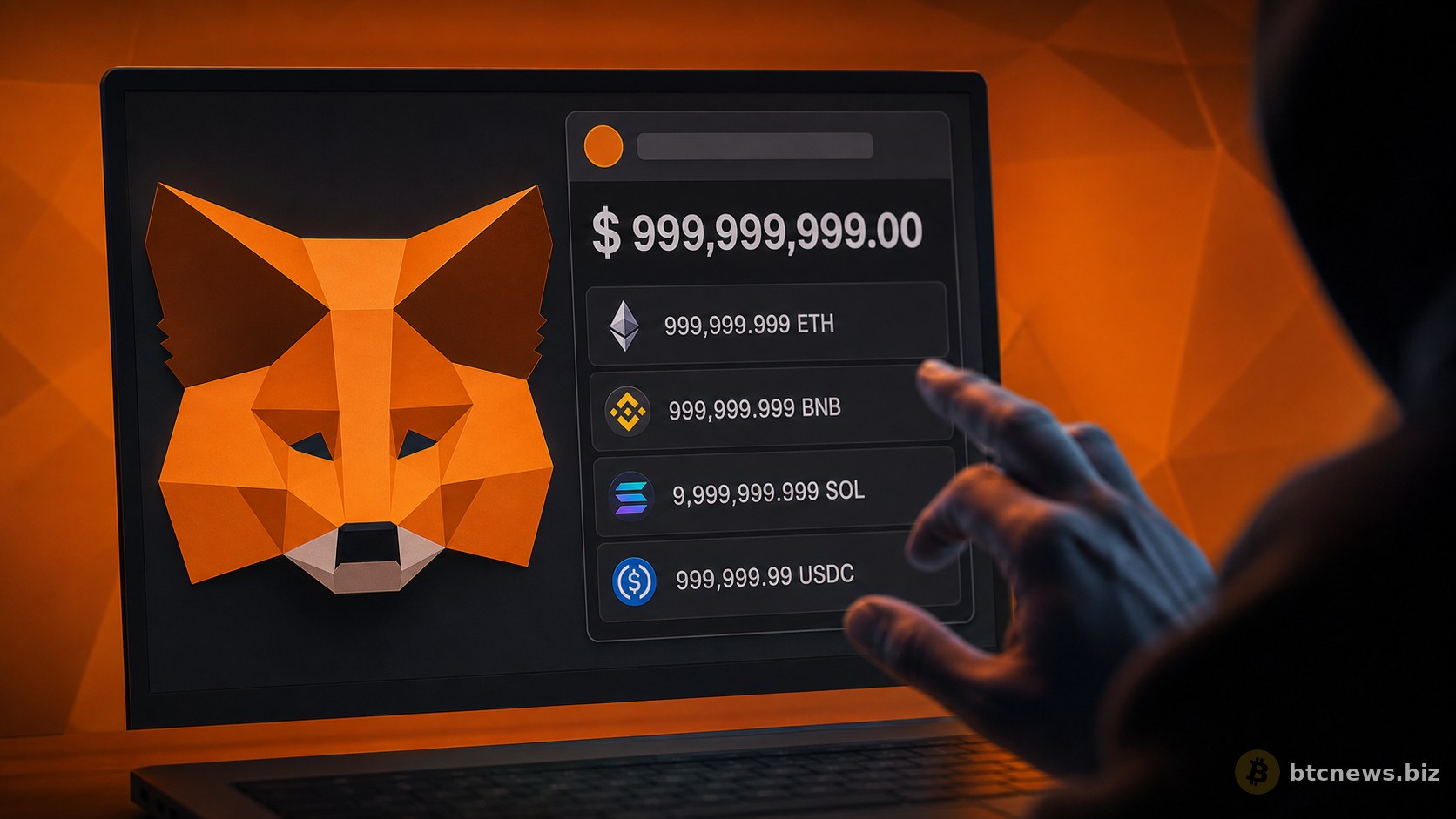
“The fraud started with a social media approach, then moved slowly enough to feel believable.” The victim, a local real estate broker in Vijayawada, was contacted on social media by someone who claimed to know stock market and cryptocurrency investing. According to the source report, the contact continued for several weeks. That detail matters more than people admit. Most guides say scams begin with a demand for money. That is only half right. They often begin with screenshots, fake profits, casual confidence, and just enough waiting time to make the victim relax. A female accomplice later helped the broker install a MetaMask digital wallet, where fake crypto tokens appeared to show quick gains.
“The money left through bank transfers, while the scammers used Bitcoin’s name to make the story feel real.” The broker transferred Rs 90 lakh to one unverified bank account and Rs 50 lakh to another. Total loss: Rs 1.4 crore. Two transfers. One trap. After the transfers, the scammers allegedly showed more fake Bitcoin deposits to keep suspicion away, then stopped responding. Why does this matter? Because the fraud did not need real BTC settlement. It needed Bitcoin’s reputation, two bank accounts, and a screen that looked convincing.
“This looks like social engineering around Web3 tools, not a MetaMask software failure.” The case does not show that MetaMask itself broke. It shows something more ordinary, and maybe more dangerous: people trust familiar interfaces. I’ll be honest: that is the uncomfortable part, because a polished wallet screen can feel more authoritative than it really is. The scammers used the open nature of Web3 to put counterfeit, low value assets inside a wallet view and make them look expensive. ETH users know this exact problem. A token can appear in a wallet before the buyer checks the contract address on Etherscan or another trusted explorer. That tiny gap is the business model.
“Regulators now have another Rs 1.4 crore example to point at when arguing for tighter checks.” The regulatory angle is not subtle. Fake tokens, unverified bank accounts, and cross border wallet addresses appeared in one case reported on June 1, 2026. Counter to the usual advice, this is not only a “user education” problem. It also gives regulators more material for stricter exchange onboarding, clearer wallet risk warnings, bank monitoring of unusual transfers, and pressure on crypto on ramps. This could touch ETH linked DeFi access, BTC purchase flows, and listed crypto proxies such as COIN, especially in markets where investors treat exchange equities as a way to bet on digital assets.
“Communication logs reportedly pointed to mobile numbers linked to the United Kingdom, while the female operative is said to have left India.” According to the source report, technical analysis of communication logs found primary mobile numbers linked to the United Kingdom. The female operative reportedly fled India. Vijayawada Cyber Crime Police are mapping mule bank accounts and decentralized wallet addresses tied to the Rs 1.4 crore flow. Is this overkill for traders to follow? No. A scam can start in a social media inbox and still create trouble for banks, crypto on ramps, wallet analytics firms, and retail confidence. That last part moves markets faster than people like to admit.
“The victim profile says something uncomfortable about crypto adoption in 2026.” This is an adoption signal, just not the one crypto bulls like to discuss. Real estate brokers and other wealthy professionals now hear enough about BTC and ETH to become targets. The education has not caught up. We see the same weak point in almost every retail crypto scare: people treat a visible wallet balance as proof of value. That sounds harsh. It is also the core issue. Scammers follow money, and if someone does not check the token behind the number, a fake token scam has room to work.
“For active traders, the lesson is behavioral, not a reason to dump BTC or ETH over one Vijayawada case.” One fraud case should not make anyone panic sell. Yes, this slightly contradicts the alarm above. Bear with me. The better read is about confidence, not immediate price direction. A headline loss of Rs 1.4 crore, tied to MetaMask, fake Bitcoin deposits, and social media grooming, can make retail users more nervous. Some will move larger transactions back to centralized, KYC compliant exchanges. Self custody still matters to crypto’s long term argument, but stories like this remind people that self custody also means self verification. No one else is checking the screen for you.
“The source report leaves out several facts that would change the story if they later appear.” It does not include official quotes, market prices, arrest updates, or recovered fund figures. So the interpretation has to stay narrow. I would not build a sweeping market thesis from this report alone. The known facts are the Rs 90 lakh transfer, the Rs 50 lakh transfer, the alleged United Kingdom linked mobile numbers, the reported flight of a female operative, and the Vijayawada Cyber Crime Police investigation active as of June 1, 2026.
What this means
“Crypto now looks easy on the surface, but the hard part is still verification.” This case points to a harder phase for crypto adoption in 2026. Wallets look simple enough for mainstream investors, but the burden still sits with the person clicking, transferring, and trusting. BTC and ETH are affected mainly through sentiment. MetaMask style self custody remains the area traders should watch. The important level here is not a BTC chart level. It is Rs 1.4 crore in real money moved through trust, fake wallet gains, and unverified bank accounts. That is the chart.
“The next useful update will be concrete, not another broad warning about scams.” After June 1, 2026, police updates on mule bank accounts, wallet address tracing, or the female operative’s reported exit from India will matter most. For markets, watch whether regulators cite cases like this when writing exchange, staking, or wallet access rules that affect BTC, ETH, and COIN exposure. For traders, the practical rule is boring but necessary: check every token contract before treating a wallet balance as money. Skip this step, and the screen can lie.