















































StarkWare’s private KYC on STRK20: a regulatory game changer?
StarkWare’s Private KYC on STRK20 lets users prove basic facts about themselves without handing over the whole file. That matters. In crypto, “just send us your passport” has always felt like a terrible trade. I’ll be honest: I still think that one sentence explains half the resistance to regulated crypto apps.
StarkWare recently showed Private KYC working with its STRK20 standard. The idea is simple, but not small: prove age, location eligibility, or KYC status without exposing names, passport numbers, or other personal details. Why does this matter? Because the old model turns every exchange, wallet app, and token platform into a soft target full of identity documents. If this makes it into real products, crypto teams get a cleaner way to handle compliance without building yet another document warehouse.
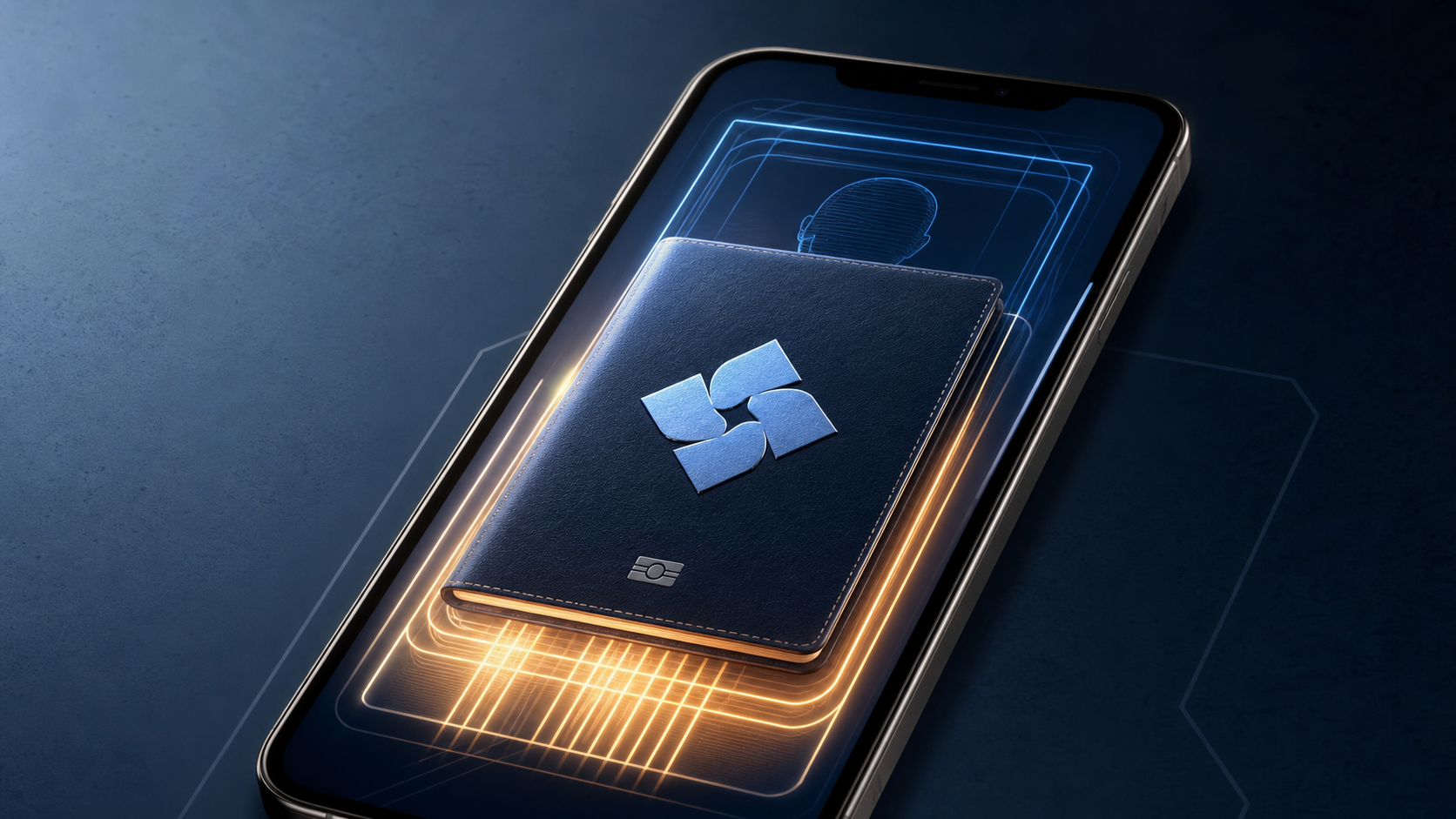
The setup starts with a passport scan over NFC on a smartphone. The information gets encrypted and tied to the user’s Starknet account. Short version: less leakage.
The useful part comes after that. Users scan their passport with their phone. StarkWare links the encrypted result to the account. Verification then happens through Zero-Knowledge Proofs instead of passing documents around. A company can check that a user passed KYC or meets an age requirement without seeing the user’s name, nationality, or passport number. My take: this is the right instinct because it treats personal data as a liability, not a prize. Most compliance guides say collect more data so you can prove more later. That’s only half right. Collecting more also means losing more when something breaks.
This is happening while regulators keep pressing the crypto industry, especially in the United States. No mystery there.
The SEC has spent the past few years targeting what it views as unregistered securities, including staking programs and exchange listings. Coinbase’s 2023 legal fight with the SEC made that obvious enough. So did the ongoing pressure around altcoins. For DeFi teams, the problem is awkward: they may need to block users by age, country, investor status, or jurisdiction, but collecting passports creates a new pile of risk. Private KYC could help. A protocol could say “this wallet is allowed” without keeping a folder of passport scans. That is a better bargain. It could also make institutions less nervous. If a firm wants to offer a tokenized asset only to accredited investors, it probably does not want to store thousands of client documents unless it has no choice. Less stored data means less breach risk and fewer compliance problems. That does not magically send ETH through $3,500, but it does make compliant DeFi feel less unrealistic.
Private KYC also tackles a simpler problem: people do not want their identity documents floating around the internet. We have all seen how that story ends.
That fear is fair. Crypto already asks users to manage keys and wallets. Then it adds chains, fees, and scams. Add passport exposure on top and plenty of people will walk away. A system that verifies identity without revealing it could make normal users more willing to try regulated crypto apps. It also fits the stronger version of the crypto privacy argument: users should be able to prove only what is needed. Is this overkill? For a casual meme coin trade, maybe. For regulated DeFi, tokenized assets, or exchange access, no.
This could matter outside trading too. Digital identity systems are still uneven in many countries, and privacy preserving checks could help people access services without creating one huge identity honeypot. I would be careful about comparing this to MicroStrategy buying BTC, though. This is not a treasury story. It is infrastructure. Yes, that sounds less exciting. It is also probably more important if it gets adopted. The effect would show up more slowly through network activity, integrations, and demand for Layer 2 systems such as Starknet.
What this means
StarkWare’s Private KYC on STRK20 is another sign that crypto is maturing, even if that phrase sounds tired. The interesting part is that it does not just copy old compliance habits. It tries something sharper.
It tries to give users access without making them surrender every detail about themselves. That could make decentralized apps easier for institutions to touch, since data handling is one of the first things legal and compliance teams worry about. Counter to the usual advice, the win here is not “better KYC” in the old sense. It is smaller KYC. Crypto projects are building tools that let them meet regulatory demands without importing the worst parts of traditional finance. For STRK and other ZK-focused projects, this kind of infrastructure can matter more than another incentive campaign. It gives the token story something concrete.
Investors should watch whether regulators and large financial firms take privacy preserving compliance seriously. Not the slogans. The paperwork.
The signals that matter will be practical: pilot programs and exchange integrations first, then bank partnerships or rules that mention zero knowledge identity checks directly. STRK price action is worth watching too, especially around the recent $2.60 high. A clean move above that level on stronger volume would suggest the market is taking StarkWare’s roadmap more seriously. I would not treat one demo as adoption. Demos are cheap. Usage is not. The real test is whether DeFi apps, tokenized asset platforms, regulated exchanges, and institutional desks decide this solves an actual compliance problem for them.