
















































Bitfinex Warns: Yen Carry Trade Reversal Poses “Clearest Macro Risk to Bitcoin”
The Japanese yen carry trade is starting to look bad for crypto. Bitfinex analysts called it the “clearest macro risk to bitcoin right now,” and I think that is the cleanest way to frame it. If the yen rebounds after its long slide, especially if the Bank of Japan steps in harder, global liquidity could tighten quickly. Why does this matter? Because BTC and ETH have both benefited from the same cheap Japanese capital that props up other risk trades. This is a forex story. Crypto is inside it.
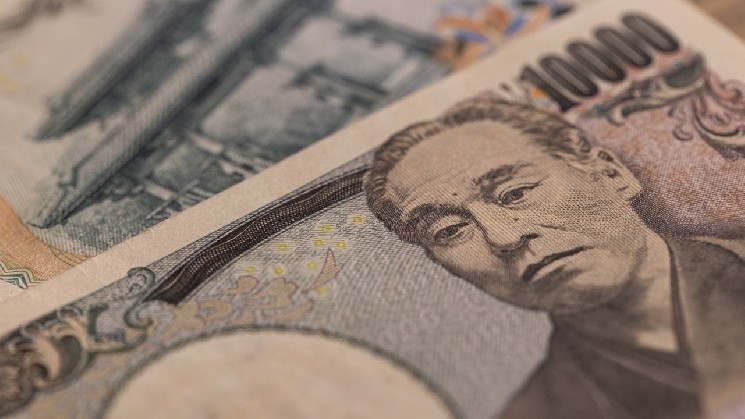
For years, the yen carry trade kept risk markets swimming in borrowed money. Investors borrowed yen at very low rates, swapped it into other currencies, and bought assets with higher returns. Tech stocks were in the mix. So was emerging market debt. Crypto was not some innocent bystander. I’ll be honest: this is the kind of plumbing story people ignore until it breaks. Now the yen is near 162 against the dollar, some forecasts put it at 165 within 12 months, and the Bank of Japan has less room to keep looking calm.
Bitfinex analysts pointed to the same pressure point: “JP10Y hit new highs while the yen sits near 162, and a sharp yen reversal from here would tighten liquidity and pressure $BTC and $ETH.” That is not an abstract macro puzzle. If the BoJ raises rates or tightens policy, borrowing yen gets more expensive. Traders then have to unwind carry trades, which usually means selling the assets they bought with borrowed yen. Counter to the usual crypto-market myth, Bitcoin and Ethereum would not get special treatment here. They could face selling as investors rush to cover positions, making it harder for the market to find a floor after the recent chop.
The liquidity piece matters. Crypto talks a lot about independence, but when money gets scarce, it still trades like a risk asset. Speculative assets usually get sold early when global liquidity tightens. We saw that during quantitative tightening and rate hike cycles, when BTC and ETH took real damage. Most guides say the BoJ needs a major policy move to shake markets. That’s only half right. Its April to May interventions totaled $73 billion and barely moved a forex market that trades about $1.6 trillion a day, but a serious signal from Tokyo could still change positioning fast. Institutions may cut risk before they have to, especially if they hold both traditional assets and crypto.
There is a less dramatic version of this, and it should not be waved away. Bosco Wu, an investment strategist at Bank of East Asia, says Japan’s debt load may keep the BoJ from acting too aggressively. He argues that the “wide US-Japan interest rate differential, and the structural weakness of the yen, are likely to persist.” That would keep the carry trade alive for longer, which risk assets would probably like. But markets do not wait for the final move. Cliff Zhao of CCB International and Vera Jiang have warned that expectations can move first. If traders start pricing in a stronger yen while US and Japanese policy expectations shift together, leveraged positions can unwind fast. That is when volatility spills into liquid assets, crypto included. We have seen this movie.
What this means
A yen carry trade reversal would remove one source of liquidity that has helped risk assets, and it could put extra selling pressure on Bitcoin and Ethereum.
For crypto, this is the dull macro risk that tends to get attention only after prices move. My take: the yen itself is not the whole story. The real issue is the funding chain behind BTC and ETH demand. Money borrowed in Japan can lift assets somewhere else, then vanish when the math stops working. Is that overkill for a crypto investor to track? No, not when the yen is near 162 and Tokyo has already spent $73 billion trying to steady the market.
Crypto investors should watch the Bank of Japan more closely than usual. Any hint of tighter policy could stir up volatility. The yen’s move against the dollar matters too, especially around 160 and during any stretch of sustained strengthening. I would also watch liquidity indicators and comments from major banks about carry trade unwinds. Yes, this sounds like a detour from Bitcoin charts. It is not. The next few months could get uncomfortable if the BoJ goes harder than its $73 billion April to May intervention. For Bitcoin, the $60,000 area is worth watching. For Ethereum, $3,000 is the obvious level people will fixate on, whether or not it deserves that much drama.