















































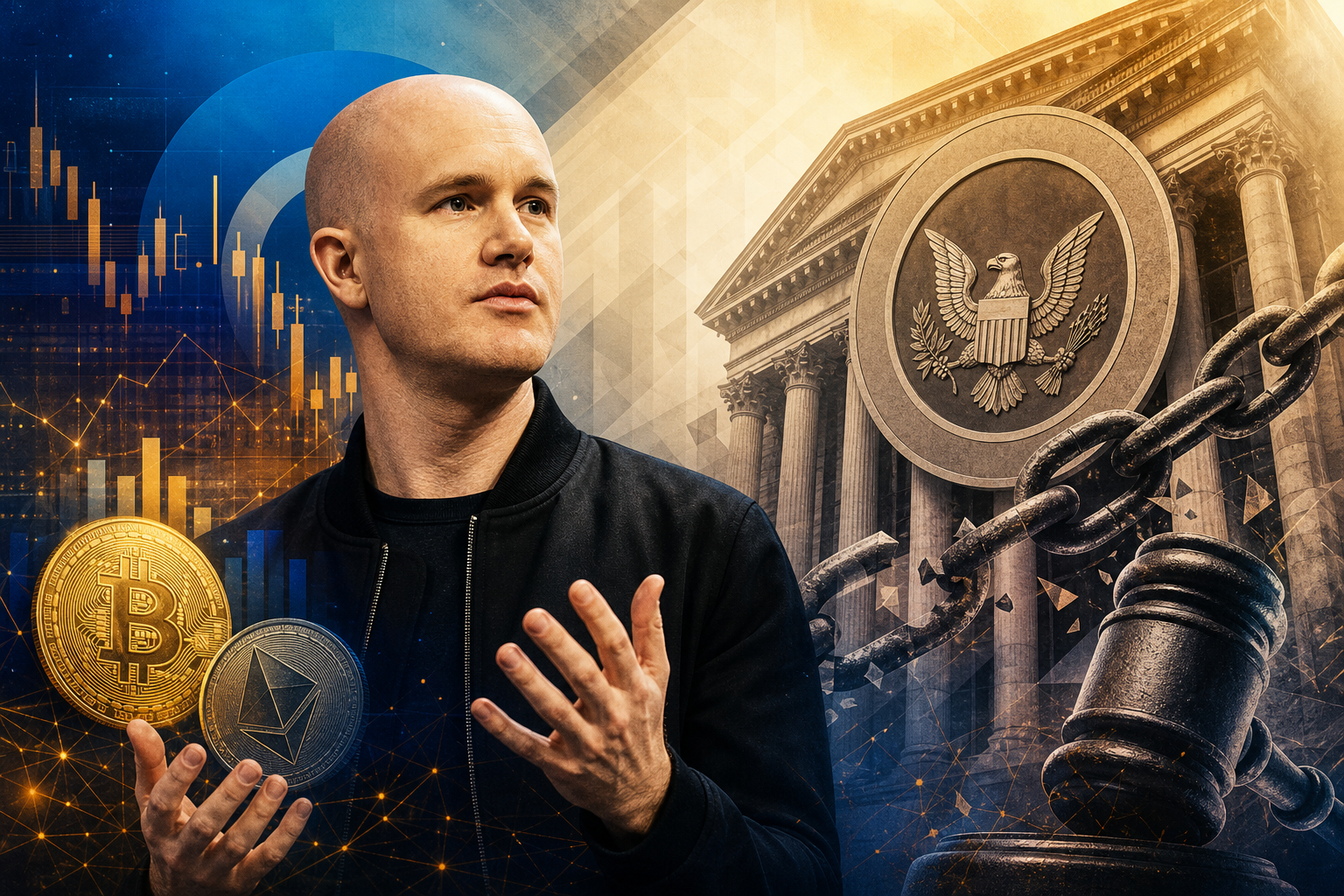
Coinbase and Ripple Dispute SEC’s Use of “Crypto Asset Security” Term
Leaders in the cryptocurrency industry are raising concerns about the Securities and Exchange Commission’s (SEC) newly coined terminology of “crypto asset security.” Legal experts argue that this term lacks a foundation in established U.S. law and regulatory frameworks.
Paul Grewal, Chief Legal Officer of Coinbase, voiced his concerns, pointing out the lack of legal basis and the SEC’s inconsistent application of the term in enforcement actions. Grewal argues that the SEC’s labeling of tokens as securities lacks a uniform standard and contradicts previous statements made to federal courts, creating regulatory uncertainty.
Coinbase’s criticism aligns with previous comments from lawmakers like Rep. Ritchie Torres, who questioned the accuracy of the SEC’s terminology during a congressional hearing. The term “crypto asset security” does not exist in existing U.S. law, regulation, or Supreme Court rulings. Other legal scholars, including Daniel Gallagher, Chief Legal Officer of Robinhood, have expressed similar concerns, stating that the SEC’s use of the term lacks statutory support and is arbitrarily applied, further complicating the legal landscape for digital assets.
Stuart Alderoty, Chief Legal Officer of Ripple, has also criticized the SEC’s terminology. According to Alderoty, the use of “crypto asset security” has led to confusion in court proceedings, undermining the credibility of the SEC. This scrutiny intensified after the SEC apologized for using the term in its complaint against Binance, admitting its inappropriate application. Alderoty argues that these terminological disputes damage the SEC’s persuasive power in court, particularly in Ripple’s ongoing legal battle with the SEC over the status of XRP.
The SEC’s credibility is under fire as inconsistencies in definitions contribute to legal uncertainty for blockchain companies. This critique is significant as Ripple continues its legal fight with the SEC. Alderoty believes that such inconsistencies make it challenging for the SEC to build a convincing case in court, hampering the overall regulatory clarity needed for the industry.
As all five SEC Commissioners prepare to testify before the House Financial Services Committee, the regulatory agency faces growing scrutiny. Legislators and industry stakeholders have expressed concerns about the SEC’s approach to blockchain innovations, arguing that it stifles innovation and clashes with the decentralized nature of blockchain technology.
Gary Gensler, the SEC Chair, also faces allegations of illegal hiring practices within the agency, which may be raised during the upcoming hearings. These internal issues complicate his defense of the SEC’s regulatory actions toward the digital asset sector. Calls for a more adaptable and clear regulatory framework are gaining momentum, with industry leaders and lawmakers urging the SEC to refine its approach to support blockchain advancements.
The outcome of these hearings could significantly impact the future regulatory landscape for cryptocurrencies, blockchain innovation, and digital assets. Stakeholders are closely monitoring the SEC’s ability to provide a transparent and consistent regulatory framework that promotes the blockchain ecosystem while protecting investor interests.