















































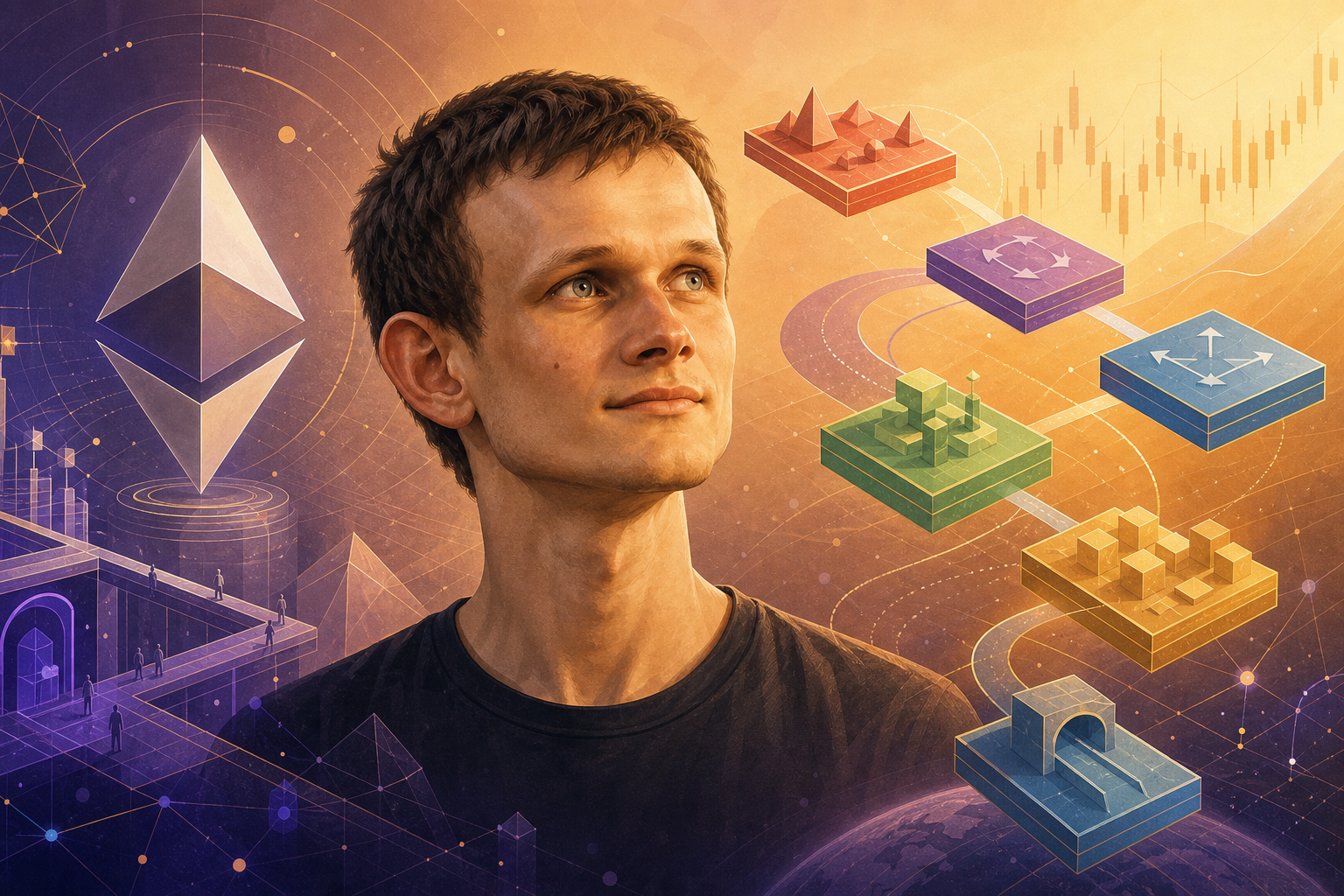
Layer-3s are rapidly emerging as the future of scalability in the blockchain ecosystem. These innovative solutions offer flexible and customizable technology, allowing Web3 builders and consumers to create scalable applications without incurring significant costs or resource duplication. Initially met with skepticism due to concerns of complexity and fragmentation, layer-3s have proven to be pivotal in lowering barriers to entry for new chains and reducing onboarding costs for users, all while maintaining minimal security tradeoffs.
One of the key advantages of layer-3s is their accessibility. With advancements in data availability layers and increased blob size, the cost to operate a layer-3 becomes significantly lower compared to operating a layer-2. Submitting data commitments and output roots to a layer-2 is noticeably less expensive than doing the same on Ethereum Mainnet. Moreover, onboarding new users to a layer-2 chain can be costly during peak fee periods, requiring two layer-1 transactions. In contrast, layer-3s only demand two layer-2 transactions, representing a fraction of the cost. These cost-effective options empower application developers and chain operators to bootstrap usage and attract new users.
Two essential features are driving the rise of layer-3s: custom gas tokens and alternative data availability (alt-DA). Custom gas tokens enable developers to use a layer-2 token as the native gas token for a layer-3, fostering community development and new use cases like in-game currencies or token grants. Alt-DA provides developers the freedom to choose their preferred data availability layer, significantly reducing transaction costs while minimizing security tradeoffs. By combining layer-3s with alt-DA, developers can achieve low overhead costs for posting to the layer-2, along with sustainable data availability costs, culminating in the most cost-effective deployment of a layer-2 tech stack.
With the growing demand for layer-3s, it is expected that many chains will launch with custom gas tokens and alt-DA. Developers now have a wide range of options for deploying layer-2 or layer-3 solutions. While layer-2s remain the most battle-tested and forward-compatible approach for launching a chain, layer-3s provide a more accessible and cost-efficient alternative. Key features like custom gas tokens and alt-DA are crucial for the expansion and adoption of layer-3s, ultimately driving innovation with the shared vision of scaling Web3.
In summary, layer-3s offer scalability solutions that cater to the future needs of the blockchain ecosystem. By providing flexibility, minimizing costs, and offering customizable features, layer-3s are revolutionizing the way developers build and scale applications, ensuring a more accessible and efficient blockchain future.