















































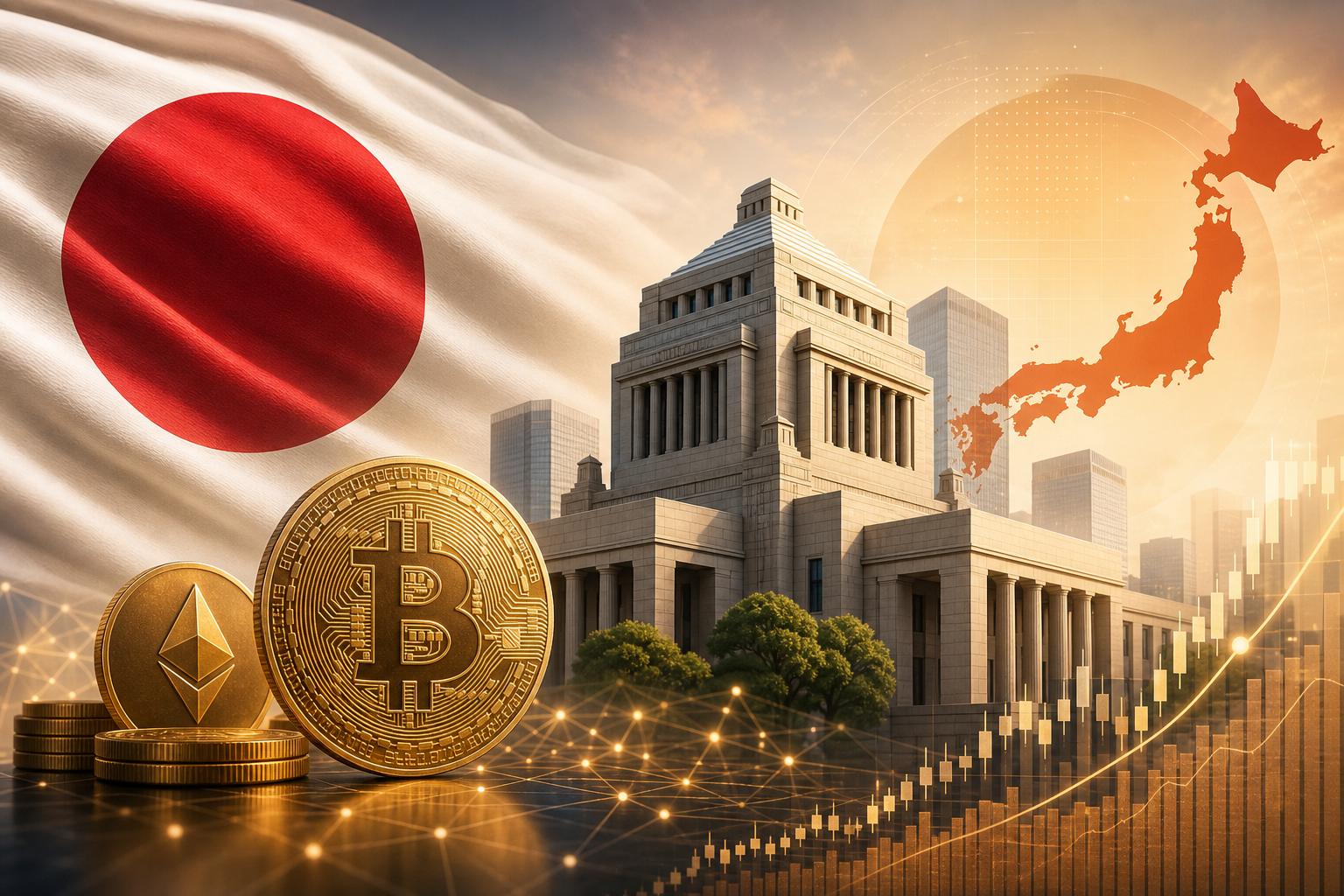
What Japan’s new prime minister means for crypto
As of September 27, 2024, Shigeru Ishiba, a member of the Liberal Democratic Party, has been elected as the next prime minister of Japan. However, his previous role as defense minister and his stance on taxes and monetary policy could pose challenges for crypto enthusiasts in the country.
Ishiba’s background is not what one might expect from a prime minister in a country that is predominantly Shintoist and Buddhist, with a constitutionally peaceful stance. As a member of the Liberal Democratic Party and a former defense minister, Ishiba plans to increase taxes on investments and income and strengthen the military.
This could have negative implications for the crypto industry in Japan. While Japan has a vibrant crypto community with a strong peer-to-peer ethos, the government has faced criticism for imposing high taxes on crypto assets and banning privacy coins on exchanges. Crypto trading on centralized exchanges has reportedly surged in 2024.
With Ishiba set to take office, there are concerns about higher taxes on income and crypto investments. While he has mentioned exempting those who invest through approved programs like NISA from these tax hikes, cryptocurrencies are not yet included in such programs.
Additionally, Ishiba aims to increase defense spending, raise the minimum wage, and tackle deflation, which implies a potential increase in money printing. This shift towards centralization and the abandonment of the peer-to-peer ethos has raised concerns among mainstream crypto holders in Japan.
It remains unclear where Ishiba stands on Bitcoin and cryptocurrencies. Unlike his predecessor, he has not made any public statements about crypto. Instead, he has focused on traditional economic matters and defense-related issues, including his support for forming an Asian version of NATO and revising Japan’s pacifist constitution.
Ishiba’s militaristic stance and possible alignment with the US war machine could have indirect effects on the crypto market. It may lead to a crackdown on crypto in Japan and stricter know-your-customer policies for exchanges, as parties like the DPRK’s “Lazarus Group” are likely to be viewed as prominent scapegoats.
When it comes to fiscal policy, Ishiba’s stance is unclear. While some Japanese investors are relieved that a fiscally liberal opponent did not come into power, Ishiba still supports loose monetary policy from the Bank of Japan and its recent hawkish moves to combat inflation.
Overall, Ishiba’s election as prime minister raises questions and uncertainties for the crypto industry in Japan. The community will have to closely monitor his policies and decisions to assess their impact on the market.