















































google uniswap scam warning puts DeFi traders on alert
A google uniswap scam warning is making the rounds again after a fake Uniswap site reportedly appeared in Google search ads. The pitch is crude, but effective: get close to a wallet, then drain it. The malware part is what changes the temperature. This is not just a bad swap or another sketchy token page. For DeFi traders, one sloppy click can turn an ETH or UNI position into an empty wallet.
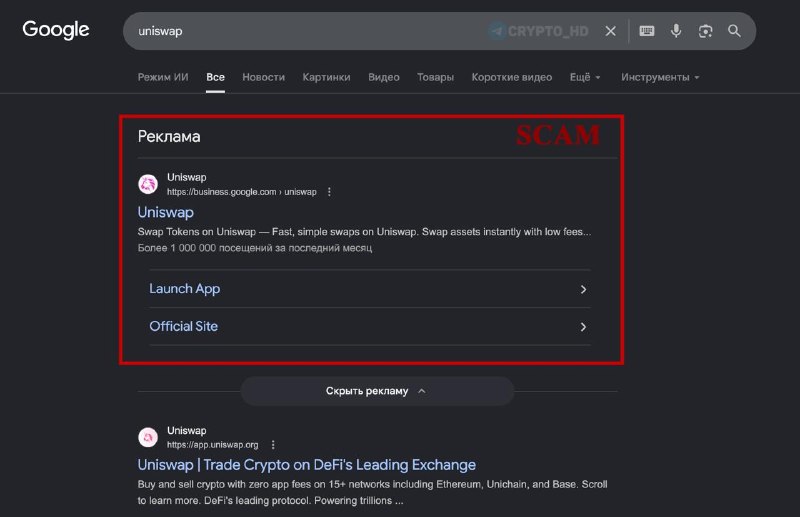
According to the report, scammers bought Google search ads that pointed to a fake Uniswap website. The report did not list wallet addresses, stolen amounts, tickers, percentages, or victim counts. Good. That distinction matters. This does not read like a confirmed Uniswap protocol exploit. It reads like search ad phishing that borrows the Uniswap name and catches users in the few seconds before they transact.
Uniswap phishing works because it hits people at the worst possible moment. Someone searching for Uniswap may be trying to swap ETH, buy a token, exit a volatile trade, or move funds before the market turns. They are not calmly auditing URLs. They are clicking. A sponsored link can look ordinary enough, and one fake approval prompt can do more damage than a sharp selloff. ETH is the obvious asset at risk because Uniswap activity runs through Ethereum wallets. UNI gets pulled in because the brand is the hook.
The regulatory angle is hard to miss, even though the source report does not name regulators. The SEC approved spot Bitcoin ETFs on January 10, 2024, and spot Ether ETF 19b-4 filings on May 23, 2024. That moved BTC and ETH closer to regular brokerage accounts. DeFi still does not have that clean front door. Users still have to spot the right site. Then the right wallet prompt. Then the wrong ad. Why does this matter? Because regulators do not need a smart contract failure to argue that retail users face avoidable harm. A Google ad pointing to a fake Uniswap site gives them an easy example to use against search platforms, app stores, wallet providers, and DeFi front ends.
There is an adoption signal here too, just not one worth celebrating. Scammers do not buy ads against brands nobody searches for. They follow liquidity and attention. Uniswap became one of the default names in decentralized exchange trading after UNI launched in September 2020, and that recognition now gives scammers something useful to copy. No surprise there. My take: this is the ugly side of product-market fit. The more normal it becomes to self-custody ETH, trade tokens directly, and connect wallets to protocols, the more valuable fake front ends become. Growth brings users. It also brings theft.
Most guides frame this as a basic “be careful online” problem. That is only half right. For traders, this is a market structure problem: a DeFi trade can be clean on-chain and still fail before it reaches the chain. If phishing ads keep showing above organic results, self-custody carries a bigger risk premium. That does not automatically push UNI or ETH lower, and the source does not report a price move. Still, it adds another weak point to wallet based trading flows, especially when markets are moving fast and people click before they check.
The malware warning raises the stakes. A fake Uniswap site may do more than ask for a malicious wallet approval. According to the source, similar sites can also install harmful software on a device. That shifts the risk beyond one token swap. Browser sessions and saved passwords become targets. So do seed phrase habits, exchange logins, and later wallet activity. Is this overkill for a casual user to worry about? Not if the same laptop touches a wallet, an exchange account, and email recovery. For active crypto traders, the device is part of the trading setup. Once the device is compromised, the wallet is only one place to look.
There is no source quote to use here, and inventing one would make the story weaker. The facts are enough. Google search ads are again being used to promote a fake Uniswap site, and the reported danger includes wallet draining and malware. I’ll be honest: crypto still has a user experience problem in 2026. Decentralized markets can settle trades on-chain, but most users still reach them through centralized discovery channels like Google.
What this means
DeFi’s next security fight is still happening before the transaction reaches the blockchain. The copied brand is Uniswap. UNI carries the reputation risk. ETH is the asset most traders connect with wallet based Uniswap activity. Counter to the usual advice, the level to watch is not a price from the source. It is the approval screen. Treat any surprise token approval, wallet signature, download prompt, or sponsored search result as trade risk, not background noise.
Watch the next market stress window, because phishing works best when traders are rushing. The dates to track are the next FOMC decision and major U.S. inflation releases, which often move BTC, ETH, and altcoins around the release window. On the protocol side, watch whether Google removes the fake ad placements, whether wallet providers tighten warnings for Uniswap lookalike domains, and whether UNI reacts if the scam keeps circulating. Yes, this sounds operational rather than market-moving. That is the point. The first technical level is operational: use only verified Uniswap domains, check wallet approvals before signing, and treat every Google ad result as untrusted until it proves otherwise.