
















































US sanctions Russia oil gas bill: Bitcoin gets another safe-haven test
The US Senate says it has reached a deal with the Donald Trump administration on a revised Russia sanctions bill. The target is blunt: countries still buying Russian oil and gas. For Bitcoin, this is another safe-haven test, but I would not grade it too generously yet. My take: energy shocks usually smack risk assets first, and crypto still trades like risk most of the time. That part matters.
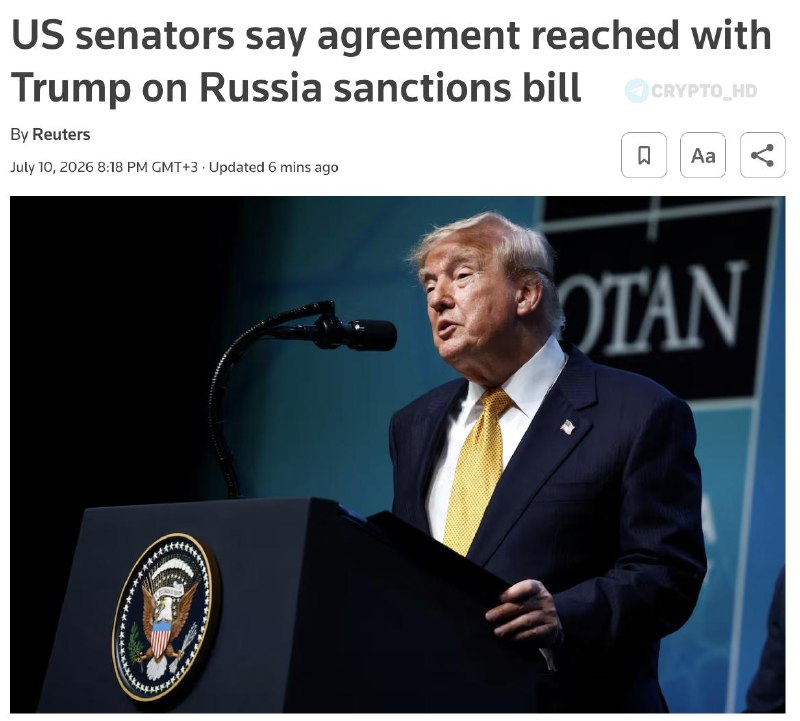
Senators say they will introduce the updated bill soon. It targets nations that keep buying Russian oil and gas, with the goal of putting more economic pressure on Moscow. The dollar impact on those buyers is still unclear. I’ll be honest: the message is not subtle. Widen the sanctions net. Cut deeper into Russia’s energy revenue. Energy policy and foreign policy are tied together now, and markets usually react when that tie starts to strain.
From a safe-haven angle, this is where Bitcoin gets interesting. Most guides say geopolitical stress is automatically bullish for BTC. That is only half right. In tense moments, investors sometimes move into assets they think can sit outside the usual system. Sometimes BTC benefits. Sometimes it just dumps with everything else. After the January 2020 Soleimani strike, BTC rose 8% within 72 hours. In February 2022, after Russia invaded Ukraine, BTC briefly moved above $40,000 before the wider macro pressure took over. Why does this matter? Because traders will now watch whether this energy sanctions push sends buyers into BTC again, and whether the price can hold near current levels or push toward $65,000 as the bill moves through Congress.
The other piece is the macro flow around risk assets. The Federal Reserve and other central banks are still dealing with inflation and rates. If sanctions disrupt oil or gas supply, energy prices could rise. That would make inflation harder to control, and it could give the Fed less room to soften policy. Bitcoin and Ethereum usually do not like that setup. Yes, that cuts against the clean safe-haven story. Bear with me. If markets read the bill as a real geopolitical shock, some money could still leave equities and look for alternatives, including crypto. We have seen that push and pull before: in late 2021 and early 2022, inflation data drove sharp moves in ETH, including swings of more than 15% around macro releases.
What this means
This sanctions bill points to more pressure around Russia and global energy. For crypto investors, volatility probably comes first. The safe-haven story comes after that. Watch oil and gas prices, then inflation expectations. If energy costs climb and bond yields follow, Bitcoin may struggle with the rest of the risk market. If traders treat the bill as a reason to move outside traditional assets, BTC could outperform. Is this overcomplicated? Not really. A clean break above $64,000 would be the first sign that buyers are buying the bullish version of the story.
Traders should watch for the bill’s official presentation date and any comments from the US Senate or the Trump administration about enforcement. Crude oil prices matter. Inflation reports matter. CME Bitcoin futures open interest matters too, because it can show whether larger players are adding exposure. Counter to the usual advice, I would not start with the headline; I would start with positioning. A jump in long positioning would suggest more confidence in the safe-haven trade. A BTC drop below $60,000 would send the opposite message: macro pressure is still in charge, even if the sanctions headline looks strong.
FAQ: US sanctions on Russia’s oil and gas
Q1: What is the primary goal of the new US sanctions bill against Russia?
The bill is meant to put more economic pressure on Russia by targeting countries that continue to buy Russian oil and gas, according to US senators.
Q2: How might these sanctions impact global energy markets?
They could disrupt oil and gas flows if buyers pull back from Russian supply. That could make trading choppier and, in some cases, push energy prices higher.
Q3: What is Bitcoin’s “safe-haven narrative” in this context?
It is the idea that Bitcoin can work as a store of value when traditional markets look unstable. Traders often point to the January 2020 Soleimani strike as one example.
Q4: How have past geopolitical events affected Bitcoin’s price?
Bitcoin has sometimes jumped after geopolitical shocks. It rose after the January 2020 Soleimani strike and briefly moved above $40,000 after Russia invaded Ukraine in February 2022. Those moves did not always stick.
Q5: What is “macro flow” and how does it relate to these sanctions?
“Macro flow” means the larger market backdrop: inflation, interest rates, energy prices, and investor appetite for risk. Sanctions can feed into that backdrop if they move oil or gas prices.
Q6: What key indicators should traders monitor in response to this bill?
Watch the bill’s presentation date, Senate and administration comments, crude oil prices, inflation reports, and CME Bitcoin futures open interest.
Q7: Could these sanctions lead to increased inflation?
Yes. If the sanctions push energy prices higher, inflation could stay sticky, which may affect Federal Reserve policy.
Q8: What price level for Bitcoin would indicate strong bullish sentiment?
A break above $64,000 would suggest buyers are treating the sanctions news as bullish for Bitcoin.
Q9: What would a drop below $60,000 for BTC signify?
A move below $60,000 would suggest the broader macro pressure is stronger than any safe-haven bid from the sanctions story.
Q10: Who is introducing this updated sanctions bill?
The US Senate is introducing the updated bill after reaching agreement with the Donald Trump administration, according to senators involved in the legislation.