















































zcash nu7 testnet update puts ZEC utility back in focus
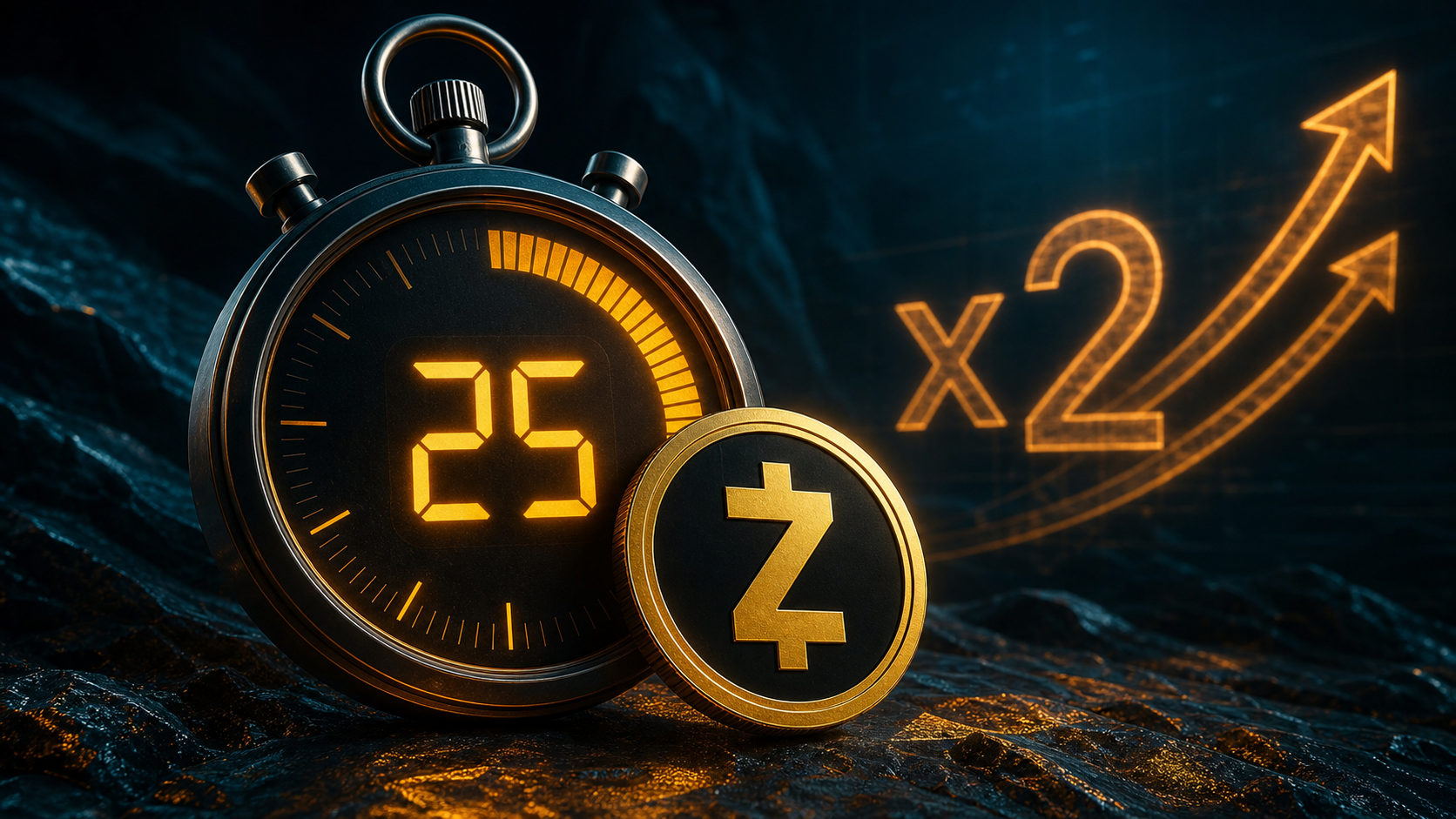
The zcash nu7 testnet update is live. Market read: Zcash wants ZEC to settle faster, absorb spam better, and give miners a steadier setup after halvings. NU7 cuts block time from 75 sec to 25 sec and targets x2 network throughput. For a privacy coin still boxed in by BTC, ETH, and exchange compliance pressure, that is not cosmetic. It moves.
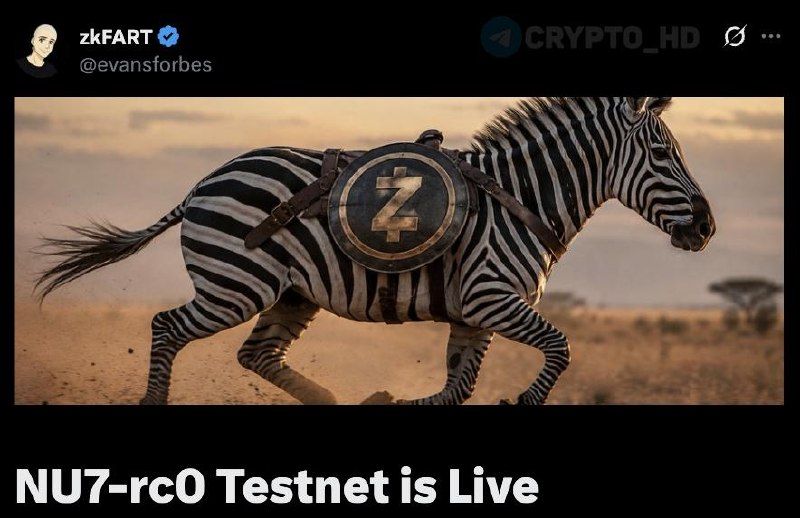
Here is what gets my attention. This is not just developer housekeeping. NU7 changes the pace of the Zcash network by moving blocks from 75 sec to 25 sec and trying to reduce damage from “spam-attacks.” Most guides would frame this as a privacy story. That is only half right. Traders may start seeing ZEC less as a pure privacy bet and more as an older Layer 1 trying to fix execution. Faster blocks do not create demand by themselves. Still, they give the market something specific to price if money rotates back into older crypto names.
The first crypto angle is adoption. Zcash developers left the new v6 transaction format out of NU7 because of ecosystem risk and compatibility issues with Ledger and Keystone. That choice matters more than it sounds. Why does this matter? Because hardware wallet support is one of the few practical links between protocol upgrades and real user custody. If ZEC wants holders who stay, instead of quick privacy coin rotations, the Ledger and Keystone issue is not a minor operations detail. It is distribution.
This also arrives in a market where BTC still sets the tone. After spot BTC ETFs were approved in the United States on Jan. 10, 2024, traders started paying more attention to custody, ETF access, and infrastructure reliability. ZEC does not have BTC’s institutional wrapper, and NU7 does not change that. I’ll be honest: that limits the ceiling on this catalyst. Still, a block time cut from 75 sec to 25 sec is cleaner than another vague round of “privacy is back” talk.
The second angle is regulation. Zcash is still a privacy focused protocol, and privacy coins have faced more exchange and compliance pressure than BTC or ETH for years. NU7 does not solve that. Of course it does not. Counter to the usual advice, though, the most bullish part may be what Zcash developers did not ship. Delaying v6 transactions because of Ledger, Keystone, and ecosystem compatibility risk looks like caution, not panic. In a post ETF market, that kind of restraint can matter more than people admit.
For miners, NU7 adds a mechanism meant to support the network after halvings. That is a token economics signal for ZEC, even though the release does not give a new yield or reward percentage. BTC’s April 2024 halving reminded traders that miner economics can affect sell pressure and hash rate behavior. Market structure too. Zcash is much smaller, but the basic issue rhymes. If miners look less exposed after future halvings, ZEC may trade with less anxiety around security budget stress.
The point is not that ZEC suddenly becomes BTC. It does not. BTC is still crypto’s macro reserve asset. ETH is still the institutional smart contract benchmark. COIN still works as a public market proxy for U.S. exchange risk. My take: NU7 gives ZEC something narrower and more useful, which is faster blocks, x2 throughput, spam attack mitigation, and better miner support after halvings. That is enough to put ZEC back on trader watchlists if privacy coins catch a bid in the next rotation.
There is a safe haven angle too, though I would be careful with it. BTC usually gets the “digital gold” trade during geopolitical shocks. Privacy coins move differently: censorship resistance and transaction confidentiality, with self custody sitting in the middle. Is this a clean hedge? No. If BTC strengthens during a risk off move, ZEC can benefit from nearby crypto flows. It can also take a bigger regulatory discount. This trade is messy. Liquidity comes first, ideology second.
The source release did not include a quote, and that absence matters. Investors have the upgrade details and not much else: 75 sec to 25 sec blocks, x2 throughput, less spam attack damage, miner support after halvings, and no v6 transaction format in NU7 because of Ledger, Keystone, and broader ecosystem risk. That is enough for a market view. It is not enough for a full re-rating without mainnet timing, exchange support, and wallet readiness.
What this means
NU7 shows Zcash developers choosing performance and network durability over shipping every transaction feature at once. Yes, this slightly contradicts the excitement above; bear with me. For ZEC, price is only part of the watchlist. The better question is whether traders reward the 75 sec to 25 sec block time cut and x2 throughput target with better liquidity and stronger relative performance against BTC and ETH. The protocol is Zcash. The ticker is ZEC.
Next, watch how NU7 moves from testnet toward a broader release. Watch for Ledger and Keystone updates tied to the skipped v6 transaction format too. I would keep one eye on BTC around major macro dates, including the next FOMC decision and CME futures positioning, because ZEC rarely escapes the broader risk cycle for long. If BTC rolls over, ZEC’s upgrade catalyst may get drowned out. If BTC stabilizes, NU7 gives ZEC a cleaner reason to outperform inside the privacy coin basket.