















































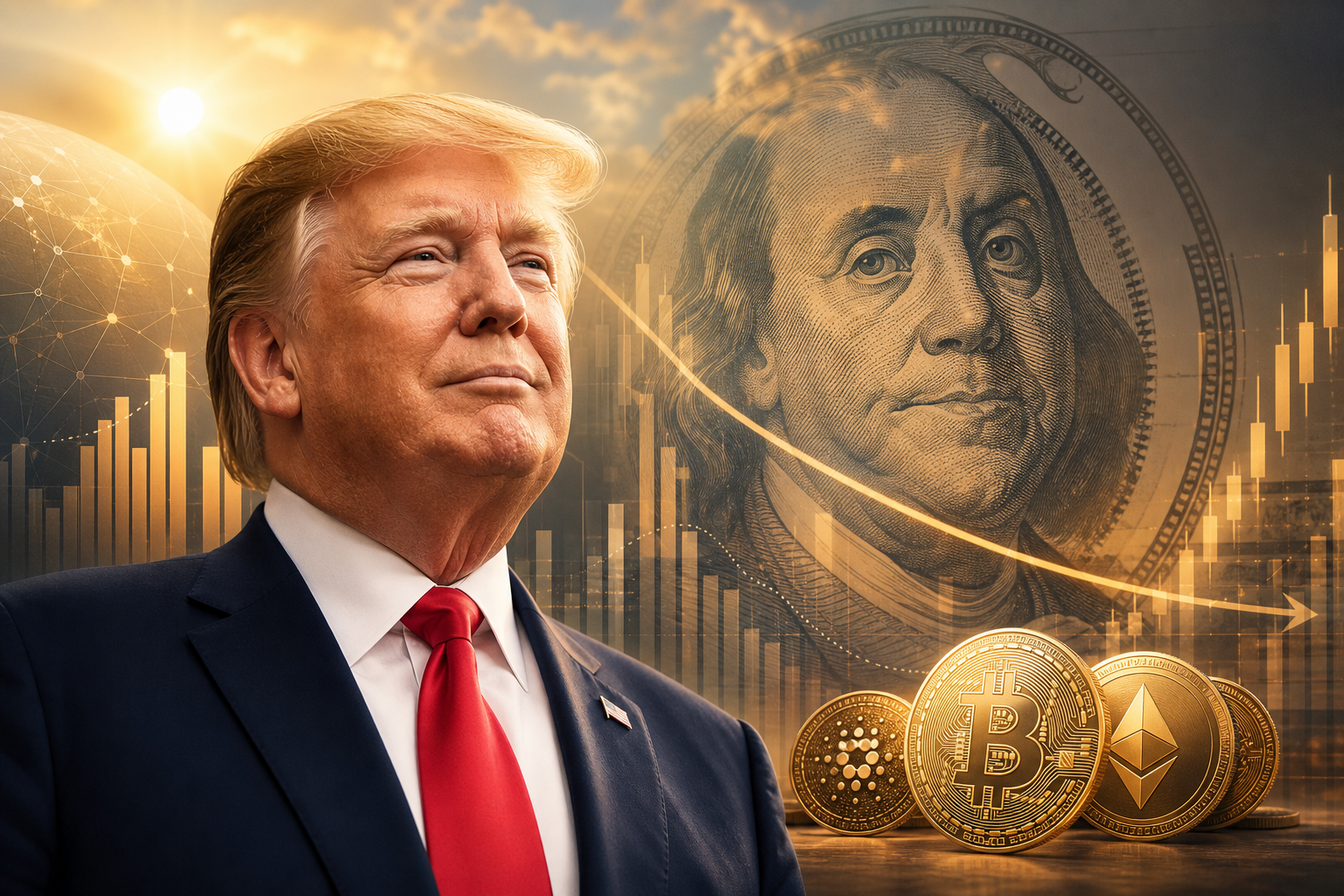
How close is Wall Street to fully embracing Bitcoin now that Trump is president?
It is important to note that the opinions and attitudes of Wall Street towards Bitcoin are constantly evolving and can vary greatly among individuals and institutions. However, with the election of Donald Trump as president, there has been a notable shift towards greater acceptance of Bitcoin and other cryptocurrencies.
Some significant developments include prominent figures like Jim Cramer and Kevin O’Leary changing their stance on Bitcoin, BlackRock’s Bitcoin ETF gaining significant investor interest, and the United States having its first “crypto president.” These factors, along with an increasing number of pro-crypto Republicans in Congress, create a more favorable environment for Bitcoin on Wall Street.
However, it is still a complex relationship. Wall Street has traditionally preferred more controlled and regulated markets, which Bitcoin’s decentralized and 24/7 nature contradicts. Additionally, concerns over volatility and the involvement of retail investors have contributed to Wall Street’s hesitancy.
To gain complete acceptance from Wall Street, Bitcoin needs to establish greater legitimacy and reduce market risks. The introduction of a Bitcoin ETF, like the one proposed by BlackRock, could help mitigate some of these concerns. Furthermore, if Trump fulfills his promises and supports the growth of cryptocurrencies, it could provide further legitimacy and encourage greater participation from Wall Street.
Nevertheless, if Wall Street fully embraces Bitcoin, it may come at the expense of some of the original philosophies of Bitcoin, as Wall Street tends to bring a level of control that contradicts the decentralized nature of the cryptocurrency. Additionally, events such as Trump’s Federal Reserve takeover and the impact of his economic policies could also affect the relationship between Wall Street and Bitcoin.
In conclusion, while the current environment appears more favorable for Bitcoin on Wall Street, full acceptance and integration may still require further developments, greater legitimacy, and ongoing regulatory clarity.