
















































Cashcat Meme Coin Early Sale Loss: A $3.6M Lesson in Market Psychology
A CASHCAT holder sold too early and missed a reported $3.6 million gain. That is the whole painful punchline. One crypto investor got out before the meme coin kept climbing, turning what may have felt like a careful sale into the kind of trade screenshot people stare at for days. I hate these stories a bit, because they make hindsight look clean. It never is. Sell now and lock the profit. Hold longer and maybe watch it vanish. That is the trade.
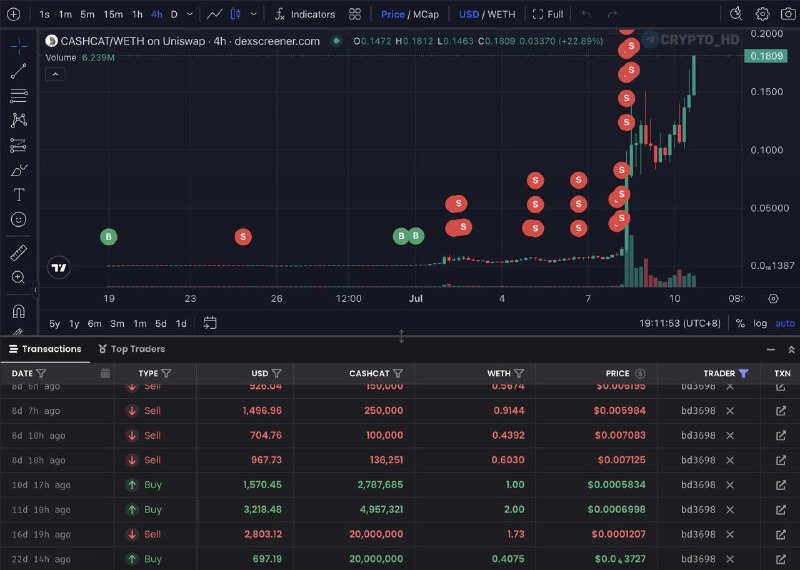
The reported Cashcat trade first looked like a $2.7 million missed gain, then the number got worse. According to the wire report, the trader sold their CASHCAT holdings before another price jump. The first estimate put the missed profit at $2,700,000. Later trading pushed it to about $3,600,000. I’ll be honest: once the number moves from $2.7 million to $3.6 million, the lesson gets uglier but not necessarily smarter. That is a house, or several, depending on where you live. It is also painfully normal crypto behavior. Meme coins can go from ignored to euphoric in hours. Then they can fall apart before dinner. Most guides say “take profits.” That is only half right. Taking profits can be rational and still feel catastrophic five candles later.
CASHCAT’s early sale story also says plenty about risk appetite in crypto. Meme coin volatility does not stay politely tucked away in one corner of the market. When retail traders see a token print life changing gains, money starts chasing the next one. For a while, that can pull attention and capital away from larger assets such as Ethereum (ETH). When the mood turns, the same traders often run back toward Bitcoin (BTC), stablecoins, or cash. We have seen this pattern before, and it is not subtle. In late 2021, tighter monetary policy hit altcoins hard, while BTC held up better than most smaller tokens. Why does the June 12 FOMC meeting matter here? Because a hawkish Fed can make traders suddenly remember that meme coins are risk assets with almost no cushion. If the Fed sounds hawkish at the June 12 FOMC meeting, risk assets could come under pressure, and meme coins are usually one of the first places traders reduce exposure.
Meme coin stories bring people into crypto, but the lessons are rough. A $3.6 million missed gain gets attention. Of course it does. Even people who have never opened a wallet understand the pain of selling before a vertical move. The pitch is simple: buy the joke, hope the crowd gets bigger, and try to leave before the room empties. My take: that does not make meme coins useless. It makes them dangerous in a very specific way. They teach speed before discipline. They reward screenshots before process. Counter to the usual advice, the problem is not only that new traders hold too long. Sometimes they sell well, make money, and still get trained to feel like they failed. As firms such as BlackRock add crypto products to their lineup, retail traders are still getting shaped by stories like this one: huge upside, awful timing, public regret, and almost no room for calm thinking.
What this means
The Cashcat incident shows how much emotional trading still drives meme coins. Fear and greed are not theory here. They are the trade. A holder sells because the gain already feels large, then the chart keeps climbing and the decision starts to hurt. That pressure does not stop with one token. It can shift sentiment across small cap altcoins and change how traders divide money between meme plays, BTC, ETH, and stablecoins. CASHCAT may be one coin, but the behavior around it is common. It works both ways.
Investors should watch whether this becomes a wider meme coin run or fades quickly. The signals are pretty direct: trading volume, price action in other meme coins, whether the buying spreads beyond CASHCAT, and how BTC behaves around key levels. A jump in volume could mean traders are hunting for the next one. A sharp drop could mean they are taking profits and cutting risk. Is this overkill for one meme coin story? No, because meme coin runs often start as one-token attention events before turning into broader risk-on behavior. The June 28 CME Bitcoin futures expiry is worth watching too, since institutional positioning around that date can give a read on market mood. BTC’s 60-day moving average matters as well. If Bitcoin breaks below it and stays there, meme coins probably do not get an easy landing.
FAQ
Q: What is the Cashcat meme coin early sale loss?
A: It refers to a CASHCAT holder who sold before the token moved higher, missing a reported $3.6 million in potential profit.
Q: How does this incident relate to market psychology?
A: It shows how fear, regret, and FOMO shape meme coin trading. Selling early can feel smart until the chart keeps going. That is the nasty part.
Q: What impact do meme coins have on broader crypto market flows?
A: Big meme coin moves can pull money into speculative tokens. When sentiment turns, that money often moves back toward Bitcoin, Ethereum, stablecoins, or cash.
Q: Does this event affect crypto adoption?
A: It can. Stories like this draw attention and may bring new users into crypto, but they also show how quickly inexperienced traders can get burned. Yes, both can be true.
Q: What should investors monitor after such an event?
A: Watch trading volume, price action in other meme coins, the June 28 CME Bitcoin futures expiry, and BTC’s 60-day moving average.