















































Russia Belarus Crypto Regulation Push Puts Bank Balance Sheets in Focus
Russia and Belarus want crypto closer to their banking systems, and the dullest part may matter most: how banks record digital assets on their balance sheets. I’ll be honest: that sounds painfully dry. It is. But this is the kind of accounting plumbing that decides whether banks can touch BTC, ETH, stablecoins, or tokenized assets without treating them like radioactive side bets. The talks are no longer just about exchange licenses or retail trading apps. They are getting to the more important question: can banks in Russia and Belarus hold or service crypto inside the regulated financial system by 2026?
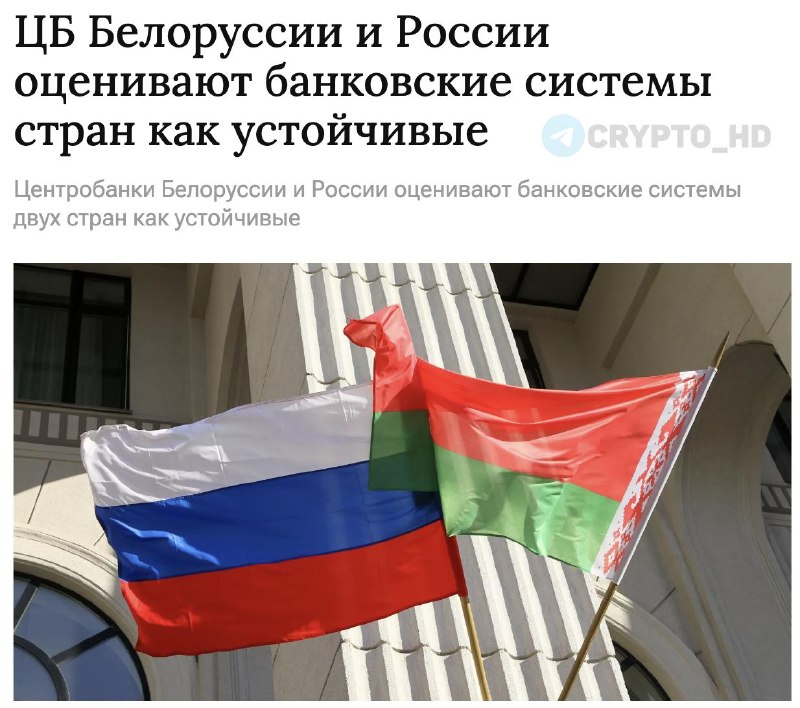
According to the source post, the central banks of Russia and Belarus have discussed crypto regulation and crypto banks, with most of the attention on balance sheet rules for ordinary banks and specialized crypto banks. The regulators also said they would keep working together. Belarus has already passed a decree on crypto banks. Russia is still preparing a digital currency bill. The source says both banking systems are stable and that regulators do not see major risks right now. That last line is doing work.
Balance sheet treatment decides what banks can actually do with crypto. A bank can hold, custody, finance, or report assets like BTC and ETH under supervised rules. Or it keeps them outside the regulated system. There is not much useful middle ground. After BTC rose to about $69,000 in 2021 and then dropped more than 70% in 2022, regulators had a much harder time ignoring capital rules, risk weights, custody controls, and audit trails. My take: if Russia and Belarus write explicit accounting rules for crypto, this is less a retail trading story than early work on institutional crypto rails.
Russia and Belarus are not moving at the same pace. Russia is still drafting its digital currency bill. Belarus already has a crypto-bank decree. That gap matters for BTC and ETH traders because clear rules can affect liquidity before they affect price. Why does this matter? Because the U.S. spot Bitcoin ETF approvals in January 2024 showed how fast one legal question can become a flow question. BTC later traded above $70,000 in 2024 as ETF demand became part of the market. Russia and Belarus are different markets, of course. Still, the lesson travels: once banks have rules they can actually use, policy talk can turn into market activity quickly.
The source does not name specific banks or launch dates, but the direction is not hard to see. Belarus’s crypto-bank decree looks like an attempt to create a formal institutional channel for digital assets instead of leaving the market informal. Russia is moving more slowly, but its bill still comes back to the same practical issue: how crypto appears on the balance sheets of banks and crypto banks. For BTC, ETH, and exchange-linked stocks like COIN, that accounting line matters. Speculation is one thing. Bank custody is different. So are lending, audited exposure, and supervised reporting.
Macro flows still matter, even when the regulatory news is local. Crypto often trades like a risk asset when rates, inflation, and dollar liquidity dominate positioning. In 2022, BTC and ETH sold off hard as global rates rose. In 2020 and 2021, easier liquidity helped push digital assets into mainstream portfolios. Most crypto policy takes skip this part. That is only half right. A Russia-Belarus framework will not outweigh FOMC pricing or dollar conditions on its own, but local bank access can still change local flows, especially where investors are looking for alternatives to cross-border finance or bank deposits. Dollar-linked exposure sits in the same conversation.
The “safe haven” argument gets messy in Russia and Belarus. Both countries have faced sanctions, banking restrictions, and capital controls since 2022. The source post does not say the crypto-bank talks are about sanctions or payments, and that matters. Markets may make that connection anyway. BTC often gets dragged into the “digital gold” debate during political stress, but its record is mixed. In March 2020, BTC briefly fell below $4,000 during a global liquidity shock before recovering with other risk assets. Gold may get the first safe haven bid. Crypto traders will be watching whether formal bank channels in Russia and Belarus create demand for BTC, stablecoins, or tokenized settlement assets.
The central banks’ statement about stable banking systems and no major risks is doing two things at once. It tells domestic banks that crypto regulation is being discussed without signaling financial stress. It also tells crypto investors that regulators see the issue as manageable. Is that just diplomatic language? Partly, yes. But wording matters in 2026 because bank-linked crypto rules can pull money into compliant products, or they can push activity back to offshore venues and peer-to-peer markets. Some balance sheets will remain hard to inspect.
The cleanest read is not that Russia and Belarus are suddenly bullish for BTC. Counter to the usual crypto-market reflex, this is not automatically a price-up headline. It is a supervision headline. Crypto is being pulled into bank oversight through accounting rules. For ETH, the interesting angle would be tokenized deposits, settlement products, or smart-contract infrastructure inside future bank services. For BTC, the closer questions are custody and reserve treatment. Collateral matters too. For exchanges and custodians, the issue is whether crypto-bank rules create licensed demand or simply fence the market inside state-approved channels.
There are still big gaps in the information. The source does not give a date for the next Russia-Belarus meeting. It does not name a crypto bank. It does not explain what will be in Russia’s planned digital currency bill. It also does not say which cryptocurrencies could go on bank balance sheets. So, yes, this slightly contradicts the confident direction-of-travel point above. Bear with me. Traders should treat this as a policy direction, not a finished roadmap. Accounting talks often come before institutional products in crypto. Dry? Yes. Worth watching? Also yes.
What this means
Russia and Belarus are trying to move crypto from a gray-market topic into bank infrastructure. Belarus already has a crypto-bank decree. Russia is still working on its digital currency bill. For BTC and ETH, the near-term story is probably not spot price. It is custody, collateral, reporting, and whether banks can hold exposure in a way auditors and supervisors will accept. If the rules let banks or crypto banks hold digital assets transparently, regional liquidity could become more formal. Globally, BTC will still depend heavily on U.S. rates, ETF flows, and dollar liquidity in 2026. That is the boring answer. It is also probably the right one.
Market participants should watch the text and timing of Russia’s digital currency bill, later guidance from the Russian and Belarusian central banks on balance sheet accounting, and BTC’s reaction around liquidity events such as the next FOMC decision on June 17, 2026. The historical markers still matter: BTC’s 2021 peak near $69,000, the more than 70% drawdown in 2022, and the 2024 move above $70,000 after U.S. spot Bitcoin ETFs were approved. If the rules create bank rails that institutions can actually use, BTC and ETH could get an adoption tailwind. If the rules are too tight, pressure will probably move back to exchanges and custodians. Offshore liquidity providers will still matter.