
















































Nasdaq’s Tokenization Move Says the SEC Just Opened a Door Wall Street Has Been Pushing On for Three Years
Nasdaq crypto tokenization means putting traditional securities on blockchain settlement rails run by Nasdaq, with 24/7 trading, tokenized assets, and AI trade infrastructure inside one US-regulated venue. Nasdaq’s president just said the quiet part out loud. My take: this is the clearest institutional tell of 2026 so far. The SEC’s softer posture is unlocking nasdaq crypto tokenization work, and one of the largest exchanges on the planet is now openly talking about always-on markets, tokenized assets, plus AI for trade modeling. If you hold BTC, ETH, or COIN, ignore the bland packaging. Tokenized securities are going to share rails with crypto, not fight them.
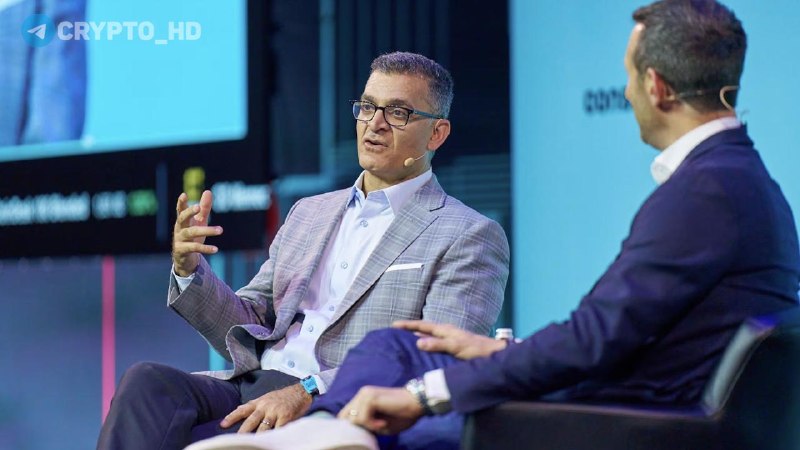
Per Nasdaq’s president, the new SEC posture gives exchanges room to scale and experiment again. That word matters. For three years, US exchanges treated tokenization like a legal landmine. Now Nasdaq is naming the actual workstreams: round-the-clock market infrastructure, asset tokenization, AI systems for trade modeling and stress simulation. Most guides frame this as another crypto adoption headline. That’s only half right. This is also a market-structure story, which is why it landed quietly inside an industry update instead of a victory-lap press blast. Wall Street prefers to ship before it shouts.
Here is the important frame. Nasdaq is selling tokenization as plumbing, not as a crypto product. Faster asset movement. Unified trading layers. A bridge between TradFi and digital assets. That language is deliberate, almost lawyerly. It tells regulators this is market structure, not casino infrastructure. It tells the NYSE and CME something less polite: the race for the tokenized order book has already started.
The regulation angle hits crypto hardest. A more permissive SEC reading directly expands spot ETF eligibility, shrinks Coinbase’s legal risk premium, and reopens staking-product conversations frozen since 2023. A Nasdaq-led tokenization rail pushes that thesis into custody fees and settlement fees too. COIN has tracked every regulatory thaw since the August 2024 ETH ETF approvals. Watch COIN against the broader Nasdaq Composite over the next two weeks. Why does that matter? Because an upside decoupling would say the market sees this as structural, not cosmetic.
The adoption angle cuts deeper. A Tier-1 US exchange committing to tokenization infrastructure forces the rest of TradFi to respond. BlackRock’s BUIDL fund crossed serious AUM on Ethereum rails in 2025 because the legal path looked navigable, not because institutions suddenly became ideological crypto converts. I’ll be honest: that distinction gets missed constantly. A Nasdaq-operated tokenization layer raises the ceiling for equities, treasuries, money-market products, and stablecoin-adjacent settlement. ETH, as the dominant smart-contract settlement layer, is the most direct winner if Nasdaq builds on public infrastructure. If they go private chain, the signal flips. Institutional walled gardens win. L1 valuations get a tougher story.
The 24/7 piece is the quiet bombshell. Always-on tokenized order books would erase crypto’s weekend-liquidity moat over equities. BTC and ETH still have decentralization and bearer-asset properties no tokenized stock can replicate. Still, the volatility spreads traders harvest between Friday close and Monday open could compress. Counter to the usual advice, this is not just a long-only adoption catalyst. Market makers running cross-venue arbitrage between perps and equities should already be modeling it.
AI for trade modeling and stress scenarios is the third leg, and I think analysts are underestimating it. Compliance officers do not want vibes. They want stress-tested tokenized rails before signing off on integration. Nasdaq flagging this as a workstream means they are not merely prototyping. They are productizing. Is that overreading one comment? Maybe. But in exchange language, naming the workstream usually comes after the internal budget fight, not before it. That shortens the timeline for the next wave of tokenized issuance from years to quarters.
The macro read is subtler. Institutional rails plus a friendlier SEC compress the regulatory risk premium on crypto majors, and that alone justifies a small re-rating before retail flows even react. BTC trading near recent highs and ETH consolidating against it tells me the market is already chewing on the shift. The live question is where tokenization headlines pull capital next: BTC as the macro hedge, or ETH and SOL as the infrastructure beneficiaries. Recent flows favor the second read. Yes, this contradicts the lazy “BTC first, everything else later” script. Good. That script is getting stale.
What this means
The signal is structural, not a one-day pump. A US-regulated exchange of Nasdaq’s size committing to tokenization, 24/7 markets, and AI risk infrastructure pulls forward an institutional adoption timeline that 2024 and 2025 only sketched out. The most exposed names are COIN on the equity side, ETH as the dominant settlement layer for tokenized assets, and the L2 ecosystem that will handle the throughput TradFi needs. BTC stays the macro proxy and benefits from the wider regulatory thaw. The sharper trade, in my view, sits in the ETH/SOL/COIN basket. Expect tokenization-themed altcoins like ONDO and POLYX to see rotation if the wider RWA cluster hardens through Q2.
What to watch next. Any concrete partnership announcement from Nasdaq naming a chain or custody provider. The SEC’s next public comment on tokenized securities, with the next open meeting in late May. COIN’s price action versus the Nasdaq Composite over the next 10 sessions. On-chain, watch BUIDL and other tokenized treasury TVL. A sharp inflow would confirm institutional belief in the rails. ETH’s reaction at the $3,800 level is still the cleanest technical read. A hold there with rising tokenization headlines is the bullish setup. A break means the market is treating this as 2027 news, not 2026.