















































Oil Prices, Iran-US Tensions: Qatar Steps In, Crypto Watches
Qatar is trying to lower the temperature between Tehran and Washington. My take: that gives risk assets a little breathing room, not a free pass. Oil prices and Iran-US tensions are still the chart crypto traders need on the second screen. When geopolitics hits energy markets, Bitcoin (BTC) gets dragged into the same messy debate. Is it a hedge, or just another risk trade with a ticker? Usually, after big escalations, BTC starts answering within about 72 hours.
The trigger is the shipping dispute around the Strait of Hormuz, one of the main routes for global oil transit. Qatari negotiators have arrived in Iran and are working with the US. They are discussing how to apply an American-Iranian memorandum, plus what actually caused the latest escalation. The memorandum has not been made public. That part matters. Markets hate blank spaces, and this is a big one. Still, the talks look like a serious attempt to keep another shock from hitting oil first, then rates, then equities, then crypto.
For crypto, this is mostly about mood and risk appetite. When geopolitical risk eases, money often leaves defensive trades and moves back into riskier assets. If Qatar helps lower tensions in a way markets trust, altcoins could get a short lift. Bitcoin might stop pretending to be gold and trade more like a growth stock again. We have seen that before. In calmer stretches, BTC often moves closer to tech equities, which suggests traders are treating it as a risk asset, not a clean crisis hedge. Most guides say Bitcoin is either “digital gold” or “high beta tech.” That is only half right. It flips. If the talks fail, that flip can happen fast. In January 2020, after the Soleimani strike, BTC rose about 8% before part of that move faded as de-escalation cooled the fear trade. Markets have short memories. They also move fast.
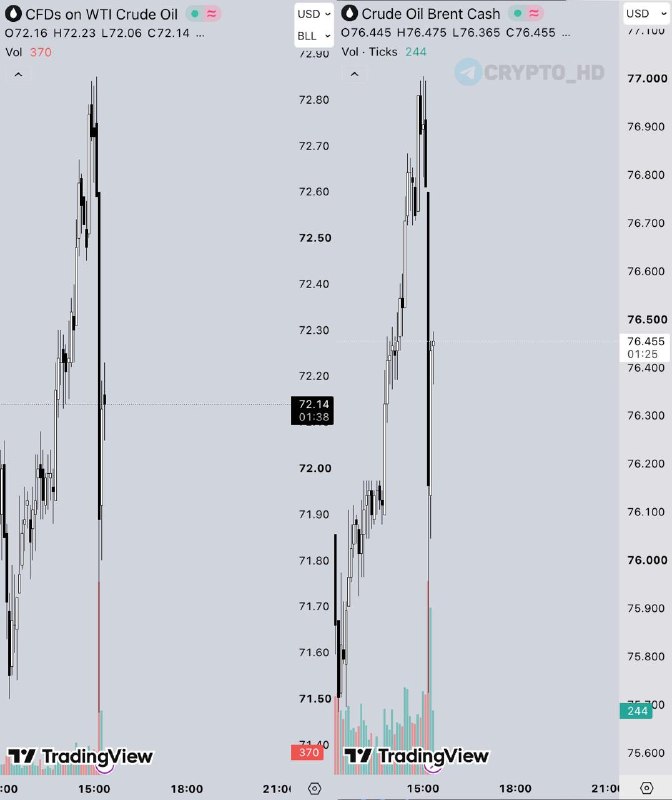
Oil is the cleaner signal here. WTI and Brent are the live scoreboard for this story. Crude usually reacts before crypto commentary catches up. A jump in WTI or Brent feeds inflation worries, and inflation worries feed rate expectations. Why does this matter? Because liquidity still carries a lot of this market. If Qatar’s talks reduce the perceived risk around Hormuz, oil may ease, inflation pressure may look less ugly, and traders may price in a softer central bank path. That would help crypto. Maybe not for long. A few sessions still count. If talks break down and oil spikes, Bitcoin gets tested again.
Counter to the usual advice, I would not start with the BTC chart here. Start with oil, then look at BTC against gold (XAU). During Russia’s invasion of Ukraine in February 2022, BTC dipped first, then recovered. That is the useful reminder: it does not behave like one thing all the time. Sometimes hedge. Sometimes Nasdaq with extra drama. Is that annoying? Yes. It is also how the asset actually trades.
What this means
Qatar’s involvement points to possible de-escalation, but it is fragile. For crypto, that could mean a short break from macro pressure and a more risk-on market. The first place to look is the relationship between Bitcoin and equities. If the talks hold, BTC may trade more in line with stocks. If they fail, Bitcoin may pick up some safe haven demand. Or it may fall with everything else if the selling gets broad. Yes, that sounds contradictory. It is not. Broad panic can crush hedges and risk assets at the same time.
Investors should watch the talks and the reaction in WTI and Brent before making big assumptions. I’ll be honest: a headline from Tehran or Washington matters less if crude ignores it. A steady move lower in oil, say WTI slipping below $75, would suggest some of the geopolitical risk premium is coming out. That could help Ethereum (ETH), Solana (SOL), and other higher beta crypto assets as money moves back into risk. A fresh escalation or a breakdown in talks could push BTC back toward support near $60,000. The next OPEC+ meeting belongs in the same watchlist. Crypto does not trade in a vacuum, even when parts of the market pretend it does.
FAQ
- What is the main goal of Qatar’s diplomatic intervention?
- Qatar is trying to reduce tensions between Tehran and Washington, especially around shipping in the Strait of Hormuz.
- How might successful de-escalation affect oil prices?
- If the talks calm supply fears, oil prices could ease as some of the geopolitical risk premium comes out.
- What is the “safe haven narrative” for Bitcoin?
- It is the idea that Bitcoin can hold value during geopolitical or economic stress, similar to gold. In practice, BTC has been inconsistent.
- How does oil price volatility affect crypto markets?
- Oil swings can raise inflation fears, shift central bank expectations, and change how much liquidity traders are willing to put into risk assets like crypto.
- What is the Strait of Hormuz?
- The Strait of Hormuz is a major oil transit route, so shipping trouble there can move energy markets quickly.
- Why does the American-Iranian memorandum matter?
- It is the document Qatari negotiators are discussing with Iran and the US. Its details have not been disclosed, but it appears tied to the recent escalation.
- How might failed talks affect Bitcoin?
- Failed talks could raise geopolitical risk. Bitcoin might attract hedge demand, or it might fall with other risk assets if markets turn defensive.
- How closely does BTC trade with tech stocks?
- When markets feel calmer, BTC often moves more like tech stocks, which suggests traders are treating it as a growth asset.
- Why should investors watch BTC against gold (XAU)?
- BTC versus gold can show whether traders are actually using Bitcoin as a crisis hedge or just trading it like another volatile asset.
- What are “higher beta assets” in crypto?
- Higher beta crypto assets, including Ethereum (ETH) and Solana (SOL), usually move more sharply than the broader market, both up and down.