
















































VPN Malware Steals Crypto Data, Threatens User Wallets
Fake VPN apps are infecting phones and putting crypto wallets, exchange accounts, and banking data at risk. The pitch is usually boring on purpose: “free VPN,” “unlimited VPN,” maybe a rushed message from a familiar-looking account. Then one APK turns into a device problem. I’ll be honest: this is not just another privacy scare. Once the app gets enough access, crypto holdings, passwords, and financial details can all be exposed. One bad download can become an emptied wallet.
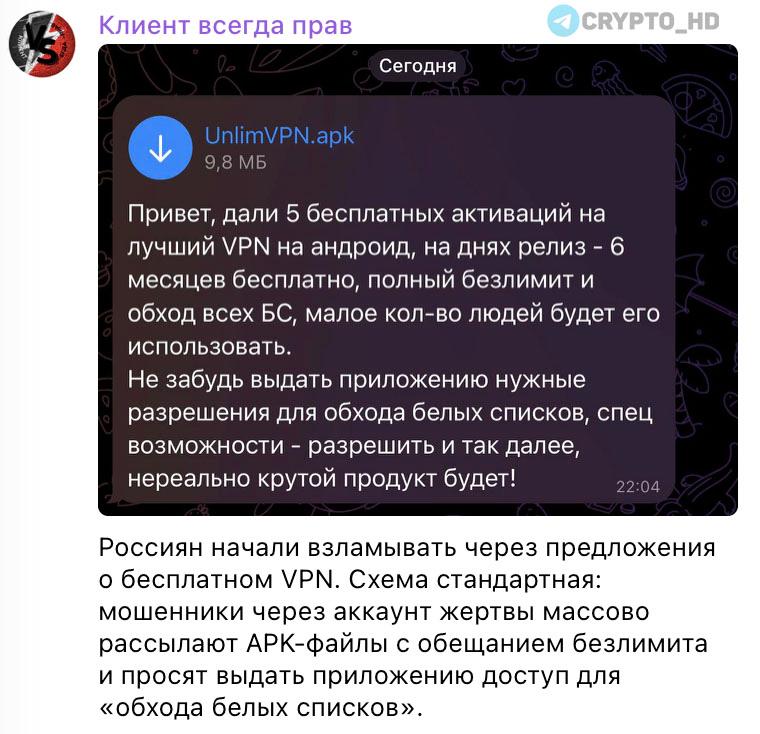
Attackers are spreading malicious APK files that can give them deep access to a user’s phone. The trick is simple. Too simple, maybe, which is why it keeps working. A user gets a message offering “unlimited VPN” access, installs the APK, and then sees a permission request dressed up with some thin excuse about “bypassing whitelists.” That is where the damage starts. Why does this matter? Because those permissions can open the door to credentials, banking data, files, messages, and private information sitting on the same phone. For crypto users, that means exchange logins, wallet apps, screenshots of seed phrases, or notes where recovery phrases should never have been saved. Bad idea. Still common.
Attacks like this make crypto feel riskier because they hit users where they are weakest: their own devices. Most crypto security guides say the blockchain is the safe part. That’s only half right. Bitcoin or Ethereum can work exactly as designed while a user’s phone quietly leaks the keys to everything. My take: self custody is powerful, but it gets ugly fast when the device is already compromised. Mt. Gox is still the easy example: in 2014, bitcoin fell from above $800 to below $200, a drop of more than 75%. That was an exchange failure, not phone malware. Still, the market lesson rhymes. When people think their money is not safe, they usually sell first and sort out the details later.
If fake VPN malware spreads widely, the damage may reach beyond individual stolen wallets. Some users will hold less crypto. Some will avoid DeFi. Some will move back to custodial platforms, even if they spent years saying they never would. Yes, that contradicts the usual “not your keys, not your coins” advice. Bear with me. If the phone holding the keys is compromised, the slogan does not save anyone. In a market already sensitive to inflation, interest rates, and risk appetite, another security scare can make outflows worse. Regulators may also step in if enough people report losses. One malware campaign does not automatically produce a new SEC or CFTC rule, but repeated incidents give lawmakers a simple argument for stricter consumer protection, tougher KYC and AML rules, or limits on some self custody products. That would affect exchanges and DeFi protocols. It would also hit ETH users and smaller altcoin communities that already run on thinner trust.
What this means
VPN malware is a real threat to crypto users because it attacks the device, not the blockchain. That difference matters. A chain can keep producing blocks while one phone leaks every password on it. Smaller altcoins and DeFi protocols may feel the hit faster because users there often depend on hot wallets, browser extensions, mobile apps, and fast signing habits. One bad permission prompt can be enough. Is this overkill? For anyone holding meaningful funds on a daily-use phone, no. If people start doubting their own devices, some will move to hardware wallets, some will move to centralized exchanges, and some will leave the market for a while.
Investors should watch for reports of malware-linked thefts and unusual movement from hot wallets. The near term signal is not subtle: reported thefts, suspicious outflows, and panic around wallet security. On-chain data may show strange transfers from hot wallets or exchange accounts if the campaign spreads. We should be careful here, though. Not every weird wallet movement is malware. Counter to the usual advice, the first useful clue may come from messy user reports before clean blockchain analytics catches up. Traders will also be watching BTC around major support levels, including $60,000. If bitcoin breaks below that level while security fears are rising, the selloff could get rough. The next few weeks matter, not because fake VPNs are new, but because crypto users keep proving how much money can sit behind one careless tap.
FAQ: Protecting Yourself from VPN Malware
Q: How can I identify a malicious VPN app?
A: Be suspicious of VPN apps sent through chats, links, or unofficial download pages. “Unlimited free VPN” is the kind of phrase I would treat as radioactive, especially if the app asks for permissions that have nothing to do with network access.
Q: What permissions should I be wary of a VPN app requesting?
A: A VPN should not need your contacts, SMS messages, photo library, call logs, or broad file access. If it asks for those, stop. Skip this step.
Q: What are the immediate steps if I suspect I’ve installed VPN malware?
A: Disconnect the device from the internet, uninstall the app, change important passwords from a clean device, and scan the infected device with trusted security software. Start with crypto exchanges and wallet accounts. Then handle email and banking.
Q: How can I secure my crypto assets against such threats?
A: Keep long term holdings in a hardware wallet, turn on 2FA for every exchange account, and do not store seed phrases in screenshots, notes apps, cloud drives, or chat threads. My rule is simple: if a normal app can search it, malware may be able to find it too.
Q: Are paid VPN services immune to this type of malware?
A: No. A real paid VPN from a known provider is usually safer, but you still need to download it from the official website or app store and check the developer name. Paid does not mean clean.
Q: Does this threat affect only Android users?
A: APK files are an Android issue, but attackers can rebuild the same scam for other systems. Windows, macOS, and iOS users can still be targeted through fake installers, profiles, browser extensions, phishing links, or rushed account messages.
Q: What is the role of official app stores in preventing this malware?
A: Google Play and Apple’s App Store screen apps, which helps, but bad apps still slip through sometimes. App stores reduce risk. They do not remove it.
Q: Should I stop using VPNs altogether because of this?
A: No. Good VPNs still have valid privacy uses. The problem is fake VPN apps, not VPN technology itself. That distinction sounds obvious, but it is where bad advice usually starts.
Q: How can I stay updated on new crypto security threats?
A: Follow credible cybersecurity outlets, crypto security researchers, and official alerts from the exchanges and wallets you use. What should you ignore? Random warnings from accounts trying to rush you into clicking a link.
Q: What is the long term impact of such malware on crypto adoption?
A: If these attacks keep spreading, ordinary users may become less willing to hold crypto themselves. That could slow adoption and give regulators more room to push for tighter consumer protection rules. My take: the technology can survive this, but user confidence is much easier to damage than a blockchain.