
















































Crimenetwork Marketplace Shutdown: German Police Dismantle Resurrected Darknet Hub
The Crimenetwork marketplace shutdown is a 2026 law enforcement operation in which Germany’s Federal Criminal Police Office (BKA) dismantled a resurrected German-language darknet marketplace and arrested its alleged 35-year-old administrator in Mallorca, Spain. Germany has taken down Crimenetwork. Again. The BKA pulled the plug on the revived version of a 22,000-user German-language darknet platform, then detained the alleged administrator in Mallorca. A 35-year-old German national. A European arrest warrant. Months of cross-border work behind one very public arrest.
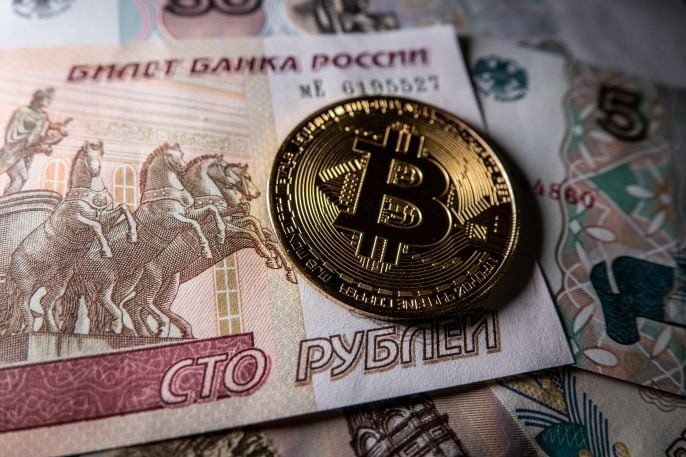
Before it went dark, the revived platform had pulled in roughly 22,000 users and over 100 vendors, with revenue of at least €3.6 million, according to the BKA. Investigators seized about €194,000 in illicit assets. Fine, that number gets the headline. My take: the user and transaction records are the part that should make former customers lose sleep.
Key facts at a glance:
- Operation date: 2026 (second Crimenetwork takedown)
- Lead agency: German Federal Criminal Police Office (BKA) with the Central Office for Combating Cybercrime (ZIT)
- Suspect: 35-year-old German national arrested in Mallorca, Spain
- Legal instrument: European arrest warrant
- Users on platform: ~22,000
- Vendors: 100+
- Revenue generated: €3.6 million
- Assets seized: €194,000
A sequel nobody asked for
The 2026 Crimenetwork shutdown is the second time German authorities have dismantled the platform; the first takedown occurred in December 2024 and resulted in approximately €1 million in seized digital assets. The first Crimenetwork bust came in December 2024. The BKA and the ZIT shut the platform down and seized around €1 million in digital assets. At the time, the BKA framed it as a serious hit to regional cybercrime infrastructure. It was not fatal.
The reboot ran the same catalogue as the original: illegal drugs, malware, stolen personal data, counterfeit documents. Bitcoin handled most payments, giving operators a familiar way to blur the path between buyers and sellers. Most guides talk about darknet markets as if the tech keeps changing. That’s only half right. The infrastructure shifts; the menu often looks boringly familiar.
In March 2026, the original Crimenetwork operator was sentenced to 7 years and 10 months in prison, and more than €10 million in proceeds were forfeited. German court records present that sentence as a warning about the cost of running darknet infrastructure. I’ll be honest: the strangest part is not that authorities warned people. It is that someone apparently saw the warning and still stepped into the role.
The broader crackdown on darknet crypto marketplaces
The Crimenetwork case reflects a 2026 enforcement pattern in which European agencies use cross-border legal instruments, including European arrest warrants, to dismantle darknet crypto marketplaces and extract transaction records that feed downstream prosecutions of vendors and buyers. The Mallorca arrest shows how international these cases have become. A German-language platform, a suspect in Spain, and a European arrest warrant all landed in the same file. Why does this matter? Because darknet enforcement in 2026 is less about one server seizure and more about stitching together jurisdictions fast enough to catch the people running the market.
The transaction data from this latest operation is probably the heaviest part of the haul. €194,000 in seized assets looks small next to €3.6 million in estimated revenue. Yes, that sounds like a contradiction after talking up the seizure number. Bear with me. Cash matters in court and press releases; records can keep producing cases for years.
Every administrator picked up adds another layer to the evidence pile. Investigators say the €1 million confiscated in 2024 and the €194,000 grabbed this time are building blocks in a longer policy push. Counter to the usual advice, the biggest regulatory consequence may not hit privacy coins first. It may land on cryptocurrency exchanges, then mixing services, because those are easier targets for oversight.
Market impact
The Crimenetwork shutdown produced no measurable impact on cryptocurrency prices: Bitcoin and other major assets recorded no significant moves in the 30 days following the operation. For the broader crypto market, the immediate impact was basically nothing. No meaningful price moves in Bitcoin. No meaningful moves in other major assets during the 30 days after the shutdown. The tape shrugged.
Analysis: Some analysts had pitched the idea that operations like this could shake privacy-focused coins like Monero. That thesis did not show up this time. Is this surprising? Not really. Darknet shutdowns usually create political and regulatory aftershocks long before they move a price chart.
Why it matters
The strategic value of the Crimenetwork takedown lies in the seized transaction records, not the €194,000 in assets — that dataset will likely drive future prosecutions and accelerate regulatory pressure on crypto exchanges, mixers, and privacy services. The BKA’s Crimenetwork takedown is not really about the €194,000. It is about the transaction trail now sitting in evidence rooms. That data can shape enforcement for the next few years. It can also make the case for tighter rules around crypto exchanges and mixers. My read for investors is blunt: every fallen marketplace gives policymakers one more concrete example when they argue for harder limits on crypto privacy.
FAQ
What is the Crimenetwork marketplace?
Crimenetwork was one of the largest German-language darknet marketplaces. Vendors used it to sell illegal drugs and malware. They also sold stolen personal data and counterfeit documents. Most transactions settled in Bitcoin.
When did German police shut down Crimenetwork?
German authorities first shut Crimenetwork down in December 2024. They dismantled a revived version in 2026 and arrested the alleged new administrator in Mallorca, Spain. Same brand, second takedown.
Who runs the Crimenetwork investigation?
The case is led by Germany’s Federal Criminal Police Office (BKA) together with the Central Office for Combating Cybercrime (ZIT). Cross-border support made the Spanish arrest possible under a European arrest warrant.
How much money was seized in the 2026 Crimenetwork takedown?
According to the BKA, investigators seized about €194,000 in illicit assets in the 2026 operation. That is on top of the roughly €1 million in digital assets confiscated during the December 2024 takedown. Small next to €3.6 million in alleged revenue, but still useful evidence.
What happened to the original Crimenetwork operator?
The original operator was sentenced in March 2026 to 7 years and 10 months in prison. More than €10 million in proceeds were forfeited. That should have ended the story. It did not.
Did the Crimenetwork shutdown affect Bitcoin or Monero prices?
No. There were no significant price moves in Bitcoin or other major cryptocurrencies in the 30 days after the shutdown. The Monero volatility some analysts kept predicting from darknet takedowns did not show up here either.
Why does the Crimenetwork seizure matter for crypto regulation?
The seized transaction records are the real prize, not the €194,000 in assets. They give regulators and prosecutors fresh evidence to push for tighter oversight of crypto exchanges, mixers, and privacy services. That is the pressure point.